In the world of industrial automation and machinery control, a small yet critical component often goes unnoticed: the limit switch. This electromechanical device plays a fundamental role in ensuring safety, precision, and reliability in countless applications, from manufacturing assembly lines to garage door openers. At its core, a limit switch is a sensor that detects the presence or absence of an object, or monitors the movement limits of a machine part, and converts this physical contact into an electrical control signal.
The basic operating principle is straightforward. A limit switch typically consists of an actuator (like a lever, roller, or plunger) mechanically linked to a set of internal electrical contacts. When an external object, often called the "target" or "actuator," makes contact with the actuator, it triggers the movement of these internal contacts. This action either opens or closes an electrical circuit. The change in the circuit's state—from "on" to "off" or vice versa—sends a signal to a control system, such as a programmable logic controller (PLC), motor starter, or relay. This signal can command a machine to stop, start, reverse direction, or initiate a subsequent sequence of operations. This simple "make or break" function is the cornerstone of its operation.
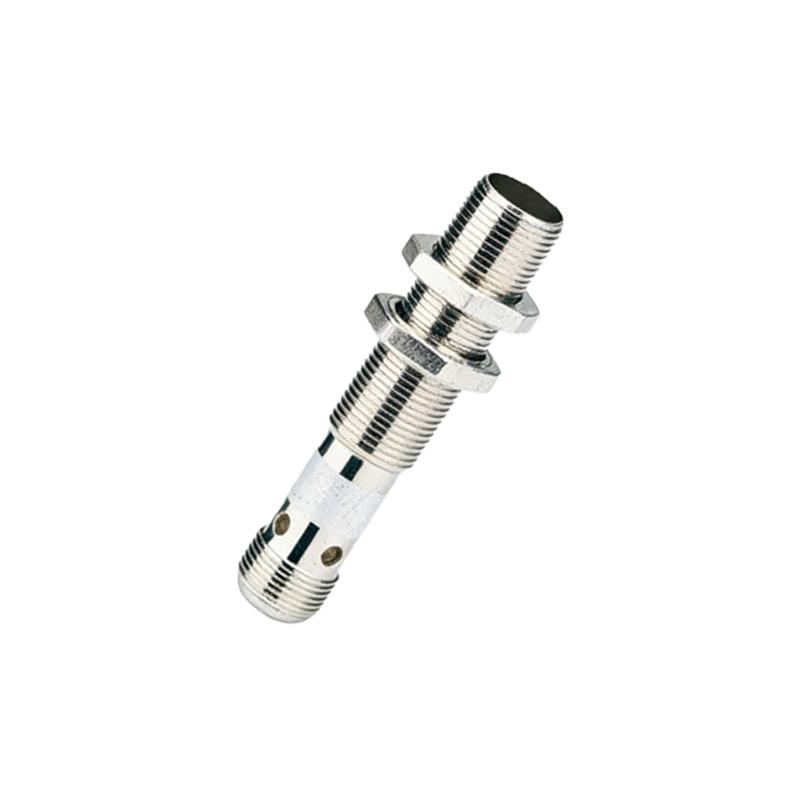
Given the diverse environments and requirements in industry, limit switches come in various types and configurations. The most common categorization is based on the actuator style. Lever arm switches are versatile and can be adjusted for different angles of operation. Plunger-type switches are activated by a direct linear push and are known for their precise point of operation. Rotary lever switches use a rotating shaft and are often employed in applications requiring multiple switching positions. Furthermore, limit switches are designed with different housing materials (metal or plastic) and ingress protection (IP) ratings to withstand harsh conditions like dust, moisture, oil, and extreme temperatures. Specialized versions include sealed switches for washdown environments and explosion-proof switches for hazardous locations.
The applications of limit switches are vast and integral to modern engineering. In material handling, they are used to detect the position of conveyor belts, pallets, and elevators, preventing overtravel and jams. In machine tools, they define the endpoints of a cutting tool's travel, ensuring machining accuracy and preventing collisions. They serve as safety interlocks on guards and doors, ensuring machinery only operates when protective covers are securely closed. In packaging machinery, they control the filling levels and positioning of products. Even in everyday life, they are found in appliances like washing machines (to sense lid closure) and in automotive systems.
Selecting the right limit switch for an application requires careful consideration of several key parameters. The operating environment is paramount; factors like exposure to contaminants, temperature ranges, and potential for physical impact dictate the required housing material and IP rating. The electrical specifications, including voltage, current rating (both AC and DC), and the contact configuration (normally open, normally closed, or changeover), must match the control circuit's demands. Mechanical considerations involve the actuator type and the required operating force and movement (pretravel and overtravel). The repeat accuracy, or how consistently the switch operates at the same point, is critical for precision applications. Finally, the expected mechanical life, often rated in millions of cycles, should align with the application's duty cycle to ensure long-term reliability.
While newer technologies like proximity sensors (inductive, capacitive, photoelectric) offer non-contact detection, limit switches remain highly relevant. Their key advantages include robustness, simplicity, direct physical feedback, and the ability to handle high-current switching without additional amplifiers. They provide a tangible, positive operation confirmation that is sometimes preferred for safety-critical functions. Their design is well-understood, and they are often more cost-effective for standard applications requiring physical contact detection.
In conclusion, the humble limit switch is a testament to elegant engineering simplicity. Its ability to reliably translate a mechanical event into a decisive electrical command makes it an indispensable component in automated systems. Understanding its types, operational principles, and selection criteria is essential for designers, maintenance technicians, and engineers to build and maintain safe, efficient, and dependable machinery across all sectors of industry.