Human proximity sensor modules are essential components in modern electronics, enabling devices to detect the presence or absence of people within a specific range without physical contact. These modules operate based on various principles, including infrared (IR), ultrasonic, capacitive, and microwave technologies, each suited to different applications. For instance, IR sensors detect heat emitted by the human body, making them ideal for automatic lighting systems or security alarms. Ultrasonic sensors use sound waves to measure distance, commonly found in touchless faucets or parking assistance systems. Capacitive sensors respond to changes in electrical fields caused by human proximity, often used in elevator controls or interactive displays. Microwave sensors, which emit radio waves, are favored for their ability to penetrate materials, suitable for automatic doors or occupancy detection in buildings.
The working mechanism of a typical human proximity sensor module involves three key stages: emission, reception, and signal processing. In IR sensors, an emitter sends out infrared radiation, which reflects off a person and is captured by a receiver. The module then analyzes the reflected signal to determine proximity. Ultrasonic modules emit high-frequency sound pulses and calculate distance based on the time taken for echoes to return. Capacitive sensors measure capacitance changes in a circuit when a human body enters the electric field, while microwave sensors detect frequency shifts in reflected waves. Most modules include integrated circuits for processing data, allowing them to output digital or analog signals to microcontrollers like Arduino or Raspberry Pi for further action, such as triggering alarms or activating motors.
Applications of human proximity sensor modules span across industries, enhancing convenience, safety, and energy efficiency. In smart homes, they enable automatic lighting and climate control, reducing power consumption by detecting room occupancy. In automotive systems, these sensors contribute to advanced driver-assistance features, like blind-spot monitoring or pedestrian detection. Industrial settings use them for machine safety, preventing accidents by halting equipment when workers are too close. Healthcare devices, such as hand sanitizer dispensers or patient monitoring systems, also rely on proximity sensing for hygiene and care. Additionally, consumer electronics like smartphones incorporate these modules for screen dimming or gesture recognition, improving user experience.
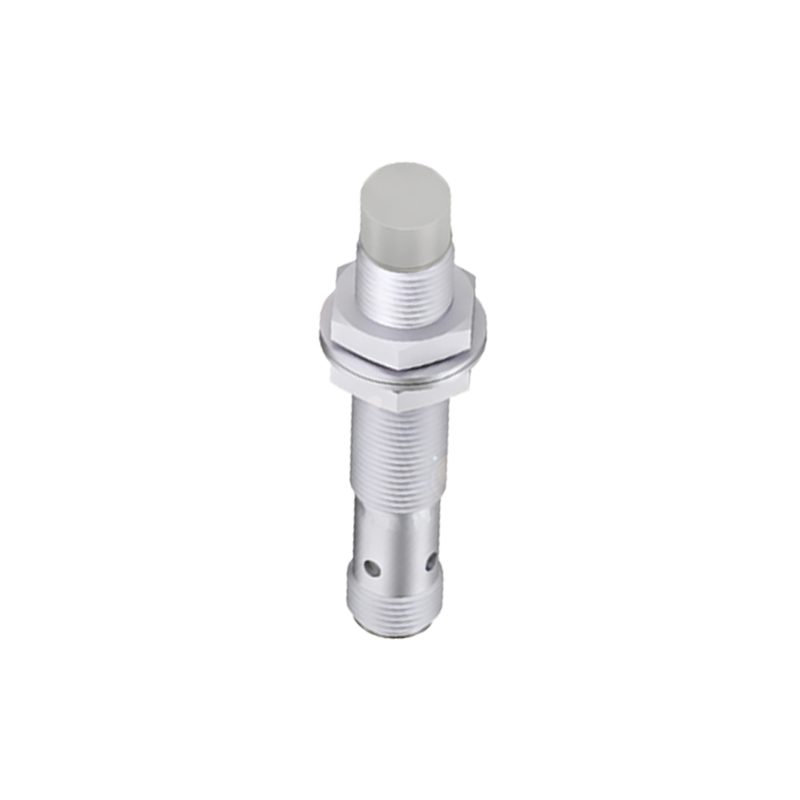
When selecting a human proximity sensor module, several factors should be considered to ensure optimal performance. Range is critical, with options varying from a few centimeters to several meters; for example, short-range sensors suit touchless switches, while long-range ones are better for security systems. Environmental conditions, such as temperature, humidity, or interference from other electronic devices, can affect accuracy, so choosing a module with robust shielding or calibration features is advisable. Power consumption matters for battery-operated devices, with low-energy options like capacitive sensors being preferable. Cost and compatibility with existing hardware, such as voltage levels or communication protocols (e.g., I2C, UART), also influence the decision. Popular modules in the market include the HC-SR501 PIR sensor for motion detection and the VL53L0X time-of-flight sensor for precise distance measurement.
Installation and maintenance of these modules require attention to detail for reliable operation. Mounting position should avoid obstructions and direct exposure to sunlight or heat sources, which could cause false triggers. For IR sensors, ensuring a clear line of sight is essential, while ultrasonic sensors may need periodic cleaning to prevent dust buildup on transducers. Calibration, often done via potentiometers or software settings, helps adjust sensitivity and delay times. Common issues, like erratic readings, can stem from electrical noise or incorrect wiring, so following manufacturer guidelines and using shielded cables is recommended. Regular testing with real-world scenarios, such as simulating human movement, ensures the module functions as intended over time.
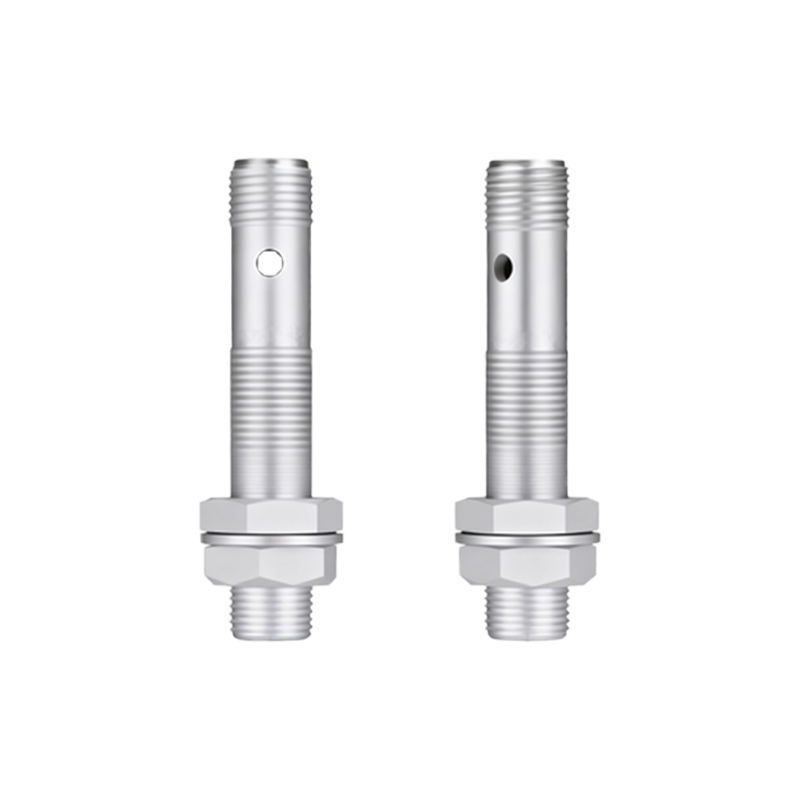
In summary, human proximity sensor modules are versatile tools that bridge the gap between human interaction and technology. By understanding their types, working principles, and applications, users can integrate them effectively into projects. As innovation continues, these sensors are becoming more accurate, affordable, and energy-efficient, paving the way for smarter automation in daily life. Whether for DIY electronics or industrial solutions, they offer a reliable means to detect presence, contributing to safety, efficiency, and enhanced functionality in diverse settings.