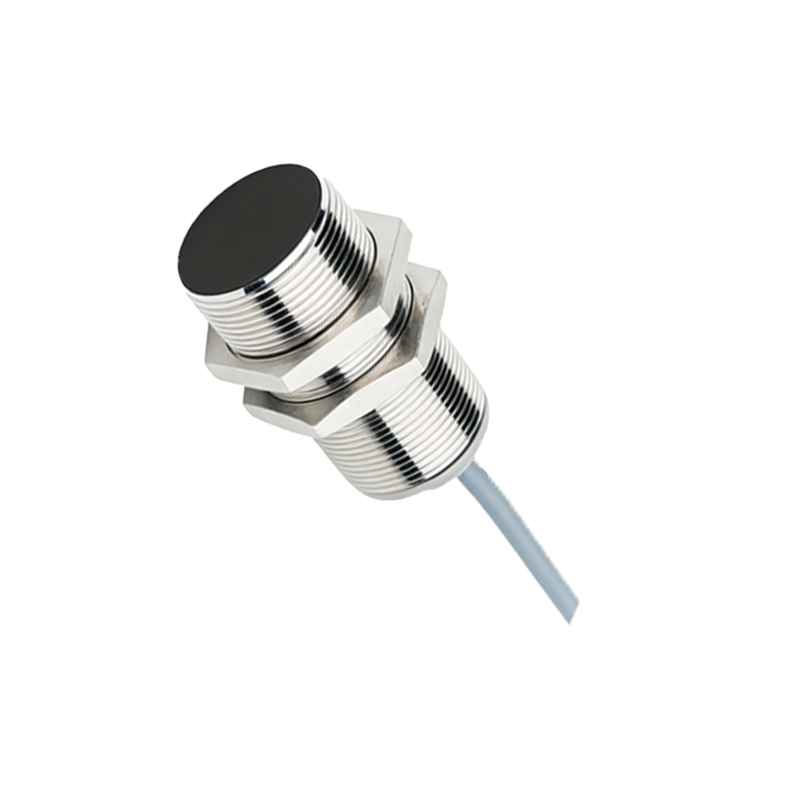
Photoelectric proximity sensors are indispensable components in modern industrial automation, offering non-contact detection of objects based on the interruption or reflection of a light beam. Their core function is to determine the presence or absence of an object within a specified sensing distance, a parameter critical to system design and performance. Unlike mechanical limit switches, these sensors provide wear-free operation, high switching speeds, and reliable detection of a wide variety of materials, including glass, metal, plastic, and liquids.
The sensing distance, often referred to as the nominal range or operating distance, is a fundamental specification. It defines the maximum distance at which a standard target can be reliably detected under defined conditions. This distance varies significantly depending on the sensor's operating principle, which primarily falls into three categories: through-beam, retro-reflective, and diffuse reflective.
Through-beam sensors, also called opposed-mode sensors, consist of separate emitter and receiver units. The emitter projects a continuous or modulated light beam to the receiver. An object is detected when it interrupts this beam. This method offers the longest possible sensing distances, often ranging from several meters to over 50 meters in some specialized models. The detection is highly reliable and largely independent of the object's surface color, texture, or material. The effective sensing distance is simply the gap between the two units.
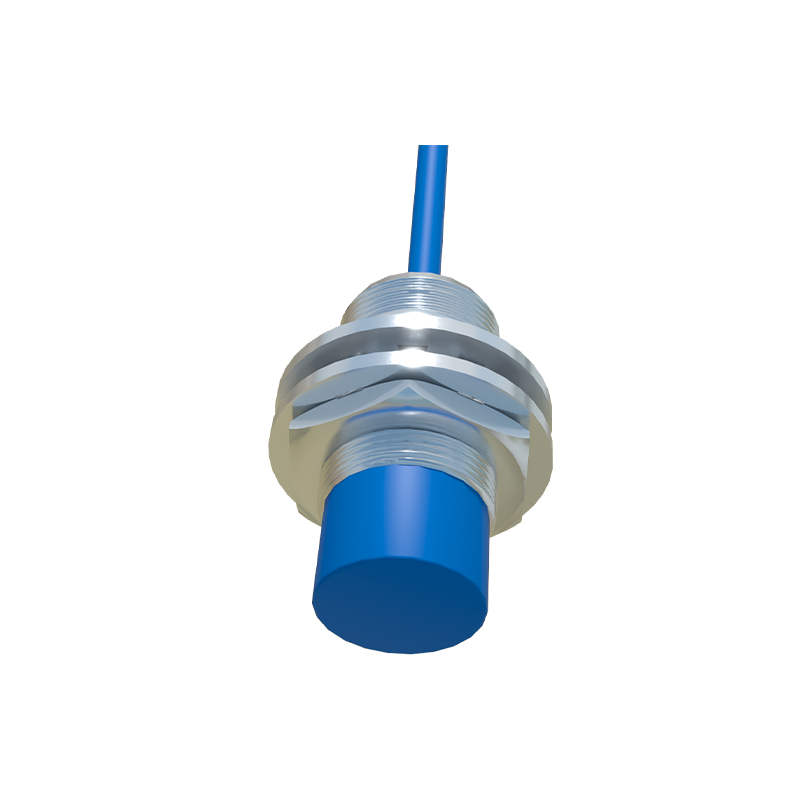
Retro-reflective sensors house both the emitter and receiver in a single housing. The light beam is directed towards a reflector (typically a corner-cube reflector) which bounces it back to the receiver. An object is detected when it blocks this reflected beam. The sensing distance for this type is typically shorter than through-beam but longer than diffuse models, commonly ranging from 0.5 meters to 10 meters. A key consideration is that shiny objects near the sensor might reflect light directly back, potentially causing a faulty "no object" signal. Modern sensors often use polarization filters to mitigate this.
Diffuse reflective sensors, or proximity-mode sensors, also integrate the emitter and receiver. They detect an object by measuring the light reflected directly off the object's surface. Consequently, the sensing distance is heavily influenced by the object's size, color, and surface finish. A large, white, matte object will be detectable at a greater distance than a small, black, shiny one. Standard sensing distances are relatively short, typically from a few millimeters to about 2 meters. To combat the variability caused by object color, background suppression sensors are used. These advanced diffuse sensors use triangulation principles to measure distance based on the angle of the reflected light, making their detection point largely independent of the target's reflectivity.
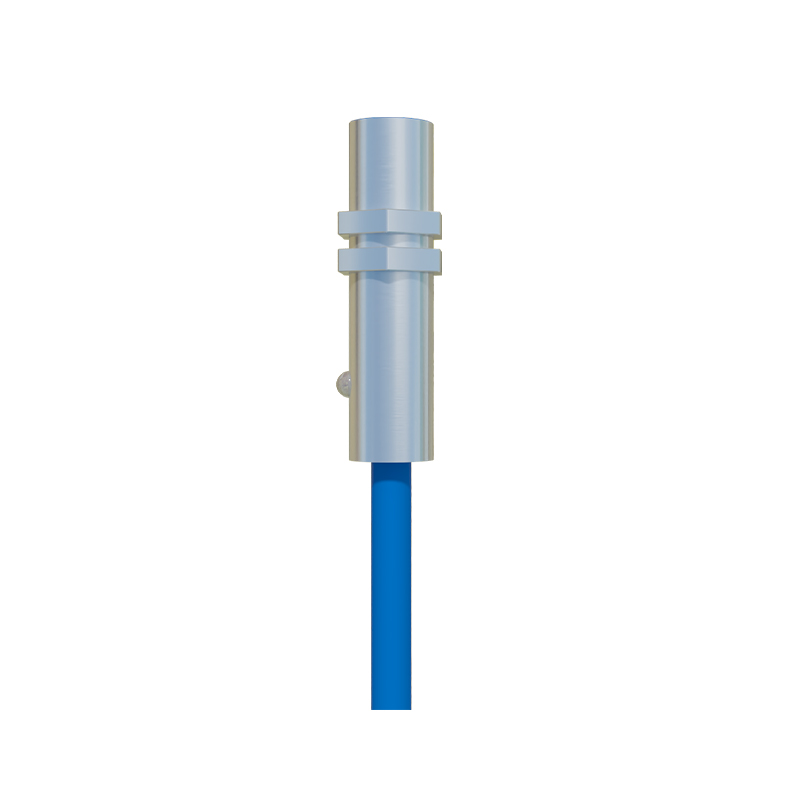
Several factors influence the practical, real-world sensing distance beyond the nominal rating. Ambient light from sunlight or strong factory lighting can saturate the receiver, reducing effective range. Dust, fog, or dirt on the lens can attenuate the light beam. The size and reflectivity of the target object are paramount for diffuse sensors. Electrical noise in the environment can also interfere with signal integrity. Manufacturers provide derating curves and application notes to guide proper installation.
Selecting the correct sensor and setting its sensing distance is crucial for application success. In packaging machinery, through-beam sensors are used at long ranges to count boxes on a conveyor. Retro-reflective sensors are ideal for detecting transparent bottles, as they can be tuned to ignore the bottle but detect the interruption of the beam to the reflector. Diffuse sensors with background suppression excel in robotic bin-picking, precisely detecting the topmost item at a fixed distance regardless of its color. Proper alignment, regular lens cleaning, and shielding from environmental interference are standard maintenance practices to ensure consistent sensing distance performance over time.
In summary, the operational distance of a photoelectric proximity sensor is not a single fixed value but a system characteristic determined by the technology type, target properties, and environmental conditions. Understanding the principles behind through-beam, retro-reflective, and diffuse sensing modes allows engineers to select and apply these versatile devices effectively, ensuring reliable object detection that forms the backbone of automated sensing and control systems.