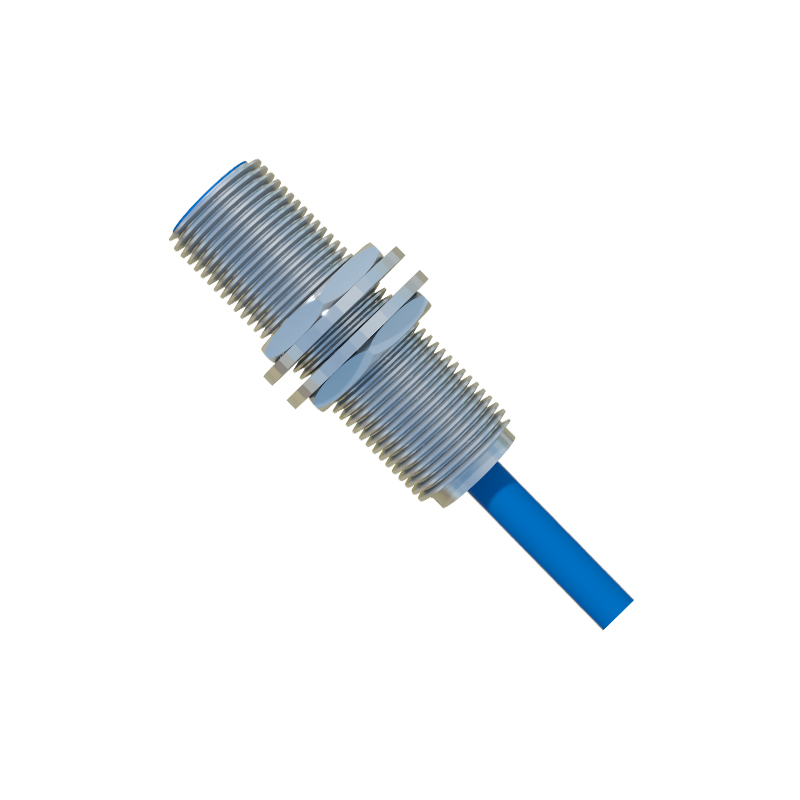
Proximity sensors are indispensable components in modern industrial automation, enabling non-contact detection of objects with high precision and reliability. Proper labeling of these sensors is not merely an administrative task; it is a critical practice that ensures operational efficiency, simplifies maintenance, and enhances overall system safety. This guide delves into the importance, standards, and best practices for proximity sensor labeling in industrial environments.
The primary purpose of labeling a proximity sensor is to provide immediate, unambiguous identification. In a complex control panel or a sprawling production line with hundreds of sensors, a clear label is the fastest way for technicians to locate a specific device. A standard label typically includes core information such as a unique identifier (e.g., PS-102-A), the sensor's type (inductive, capacitive, photoelectric), its nominal sensing range, the supply voltage, and the associated input/output point on the Programmable Logic Controller (PLC). This data is crucial for troubleshooting, calibration, and replacement procedures.
Adherence to established industry standards is paramount for effective labeling. Many organizations follow frameworks derived from ISA-5.1 or ISO 14617 standards, which promote consistency. A common best practice is to integrate the sensor label into the overall plant's tag numbering system. This creates a logical link between the physical device, its symbol on electrical schematics (P&IDs), and its address in the control software. For instance, a label reading "XV-203-PS1" might indicate it is the first proximity sensor (PS1) on valve 203 (XV-203) in a particular process unit. This systematic approach eliminates confusion and reduces cross-referencing time during diagnostics.
Beyond basic identification, labels serve as a vital repository of configuration data. Proximity sensors often have adjustable parameters like switching hysteresis or time delay. While the primary settings are managed in the PLC program, having key operational values—such as the set detection distance or the output type (Normally Open/Closed)—on the device label can be invaluable during on-site checks or emergency overrides. In harsh environments, the durability of the label material is as important as the information it carries. Labels must withstand exposure to oil, coolant, UV radiation, and mechanical abrasion. Using industrial-grade polyester or anodized metal tags with permanent laser etching is often recommended to ensure longevity and legibility.
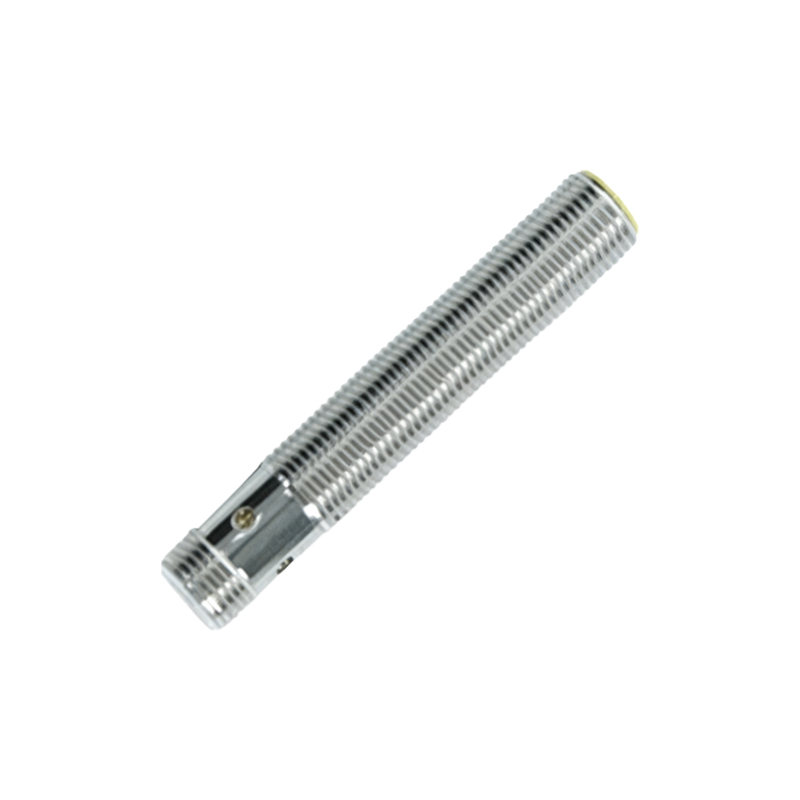
The implementation of a robust labeling strategy yields significant long-term benefits. It drastically reduces machine downtime by accelerating fault isolation. It minimizes human error during maintenance or system modifications, thereby enhancing safety. Furthermore, clear labeling is foundational for effective asset management and documentation, supporting compliance with quality and safety regulations like ISO 9001 or functional safety standards (e.g., IEC 61508). As facilities move towards Industry 4.0 and the Industrial Internet of Things (IIoT), consistent sensor identification becomes even more critical for data contextualization and digital twin accuracy.
In conclusion, proximity sensor labeling is a fundamental aspect of professional industrial engineering and maintenance. A well-designed labeling system, based on clear standards and using durable materials, transforms individual components into traceable, manageable assets. It is a small investment that pays substantial dividends in reliability, safety, and operational intelligence throughout the lifecycle of an automated system.