The landscape of industrial automation, consumer electronics, and automotive safety is undergoing a silent revolution, driven by advancements in proximity sensor production. These unassuming components, capable of detecting the presence or absence of nearby objects without physical contact, are becoming smarter, smaller, and more integral to modern technology. The latest manufacturing innovations are not merely incremental improvements; they represent a fundamental shift in how these sensors are designed, fabricated, and integrated.
At the core of next-generation production is the move towards advanced semiconductor fabrication techniques. Traditional methods are being supplanted by sophisticated processes like Micro-Electro-Mechanical Systems (MEMS) fabrication. This allows for the creation of incredibly miniaturized sensor elements—capacitive plates, inductive coils, and photodiodes—on a silicon wafer with microscopic precision. The result is a dramatic reduction in sensor size and power consumption while simultaneously boosting sensitivity and response speed. This miniaturization is crucial for applications in wearable devices, ultra-thin smartphones, and compact industrial robots where space is at a premium.
Material science plays an equally pivotal role. Manufacturers are experimenting with novel substrates and coatings to enhance performance and durability. For instance, the use of specialized polymers and composite materials can improve a sensor's resistance to environmental contaminants like dust, oil, and moisture, a critical factor for automotive and heavy machinery applications. Furthermore, research into flexible and stretchable electronics is opening doors for proximity sensors that can be integrated into curved surfaces, flexible displays, and even biomedical implants, conforming to shapes previously deemed impossible.
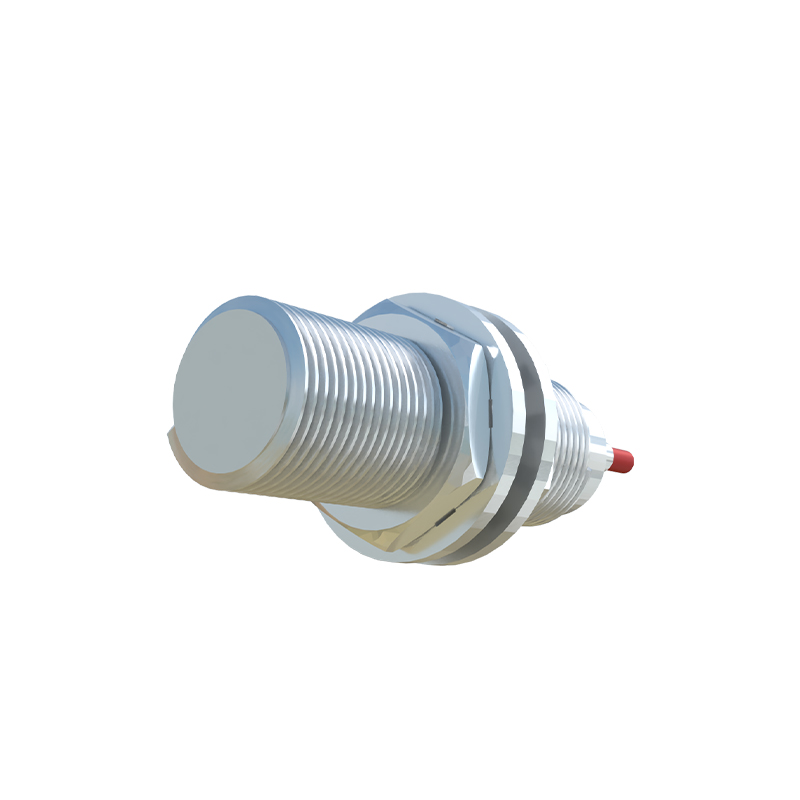
Integration and packaging have evolved from mere afterthoughts to key differentiators in the manufacturing process. System-in-Package (SiP) and wafer-level packaging technologies are becoming standard. These approaches allow the sensor die, its associated control circuitry, signal processor, and sometimes even a microcontroller to be encapsulated into a single, robust module. This high level of integration simplifies the supply chain for device manufacturers, reduces the sensor's footprint on a printed circuit board, and enhances overall reliability by minimizing external interconnections that are prone to failure.
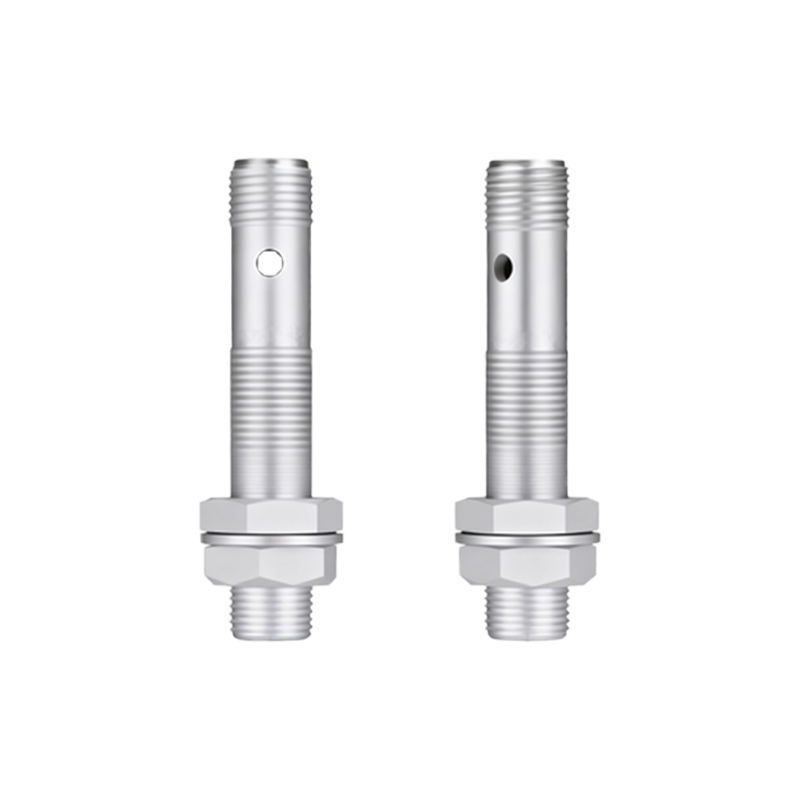
Software and calibration are now deeply embedded in the production line. Modern proximity sensors are no longer simple "on/off" switches. They are intelligent systems that require sophisticated firmware for functions like ambient light rejection (for optical sensors), temperature compensation, and adaptive sensing thresholds. Automated calibration rigs use machine vision and precise robotic arms to test each sensor unit against known standards, ensuring consistent performance right out of the factory. This data-driven manufacturing approach guarantees that sensors meet stringent specifications for accuracy and repeatability, which is non-negotiable in safety-critical applications like autonomous vehicle obstacle detection.
Finally, the drive for sustainability is influencing production methodologies. Manufacturers are increasingly adopting lead-free soldering techniques, reducing the use of hazardous substances, and designing for recyclability. Energy-efficient fabrication plants and reduced material waste through more precise patterning techniques contribute to a smaller environmental footprint for the entire lifecycle of the sensor.
The outcome of these multifaceted innovations is a new breed of proximity sensors. They offer unparalleled accuracy over longer distances, can distinguish between different materials, consume minimal power for battery-operated devices, and are robust enough for harsh environments. From enabling seamless user interactions with touchless interfaces and smart home appliances to ensuring the precise operation of collaborative robots and advanced driver-assistance systems, the next generation of proximity sensors, born from these cutting-edge manufacturing processes, is quietly powering a more responsive and intelligent world.