Proximity switch sensors are essential components in modern automation and industrial systems. These devices detect the presence or absence of an object without physical contact, offering reliability and durability in demanding environments. Understanding the different models available is crucial for selecting the right sensor for specific applications.
The most common types of proximity switch sensors include inductive, capacitive, ultrasonic, and photoelectric models. Inductive proximity sensors are widely used for detecting metallic objects. They generate an electromagnetic field and react to changes caused by ferrous or non-ferrous metals. These sensors are ideal for manufacturing lines, robotics, and automotive assembly due to their robustness and resistance to environmental factors like dust or moisture.

Capacitive proximity sensors, on the other hand, can detect both metallic and non-metallic materials such as liquids, plastics, or wood. They operate by measuring changes in capacitance when an object enters their electrostatic field. This versatility makes them suitable for level detection, material handling, and packaging industries. However, they may be influenced by environmental conditions like humidity or temperature variations.
Ultrasonic proximity sensors use sound waves to detect objects. They emit high-frequency pulses and measure the time taken for echoes to return. These sensors excel in applications requiring long-range detection or where object composition varies, such as in logistics, agriculture, or waste management. They perform well in challenging conditions but can be affected by air turbulence or soft materials that absorb sound.
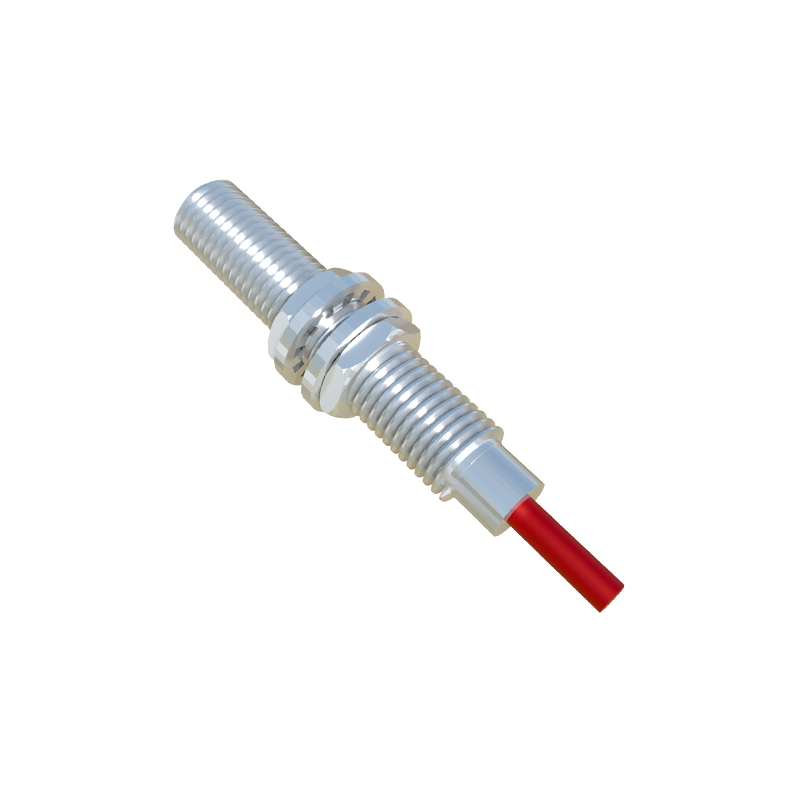
Photoelectric proximity sensors rely on light beams, typically infrared, to sense objects. They come in through-beam, retro-reflective, and diffuse reflection models. Through-beam sensors offer the longest detection ranges and high accuracy, while diffuse reflection sensors are compact and easy to install. These are common in conveyor systems, security, and electronic device manufacturing. However, they may struggle in environments with heavy dirt or intense ambient light.
When choosing a proximity switch sensor model, key factors include sensing range, response time, environmental resilience, and output type (e.g., NPN, PNP, or analog). For instance, high-speed automation requires sensors with fast response times, while outdoor applications demand models with high IP ratings for water and dust resistance.
Installation and maintenance also play vital roles in sensor performance. Proper alignment, clean sensing surfaces, and regular calibration ensure longevity and accuracy. Many modern sensors feature self-diagnostic capabilities, reducing downtime in industrial settings.
In summary, proximity switch sensor models vary significantly in technology and application. By evaluating operational needs and environmental conditions, users can optimize system efficiency and reliability. As automation advances, these sensors continue to evolve, offering enhanced precision and connectivity for smart industrial solutions.