In the world of precision measurement, the laser rangefinder sensor stands as a cornerstone technology. Its ability to deliver rapid, non-contact distance readings has revolutionized fields from construction and surveying to sports and defense. However, the true value of any measurement tool lies not just in its ability to provide a number, but in the trustworthiness of that number. This trust is defined by accuracy. Understanding the factors that influence laser rangefinder sensor accuracy, and how to optimize it, is critical for professionals who rely on precise data.
At its core, a laser rangefinder calculates distance by measuring the time it takes for a laser pulse to travel to a target and back, a method known as time-of-flight (ToF). The fundamental formula is simple: Distance = (Speed of Light × Time) / 2. Yet, the practical application of this principle is where complexity and potential for error arise. Accuracy is typically specified by manufacturers as a tolerance, such as ±1.5 mm or ±0.1% of the measured distance. This figure represents the maximum expected deviation between the sensor's reading and the true distance under ideal conditions.
Several key factors directly impact the accuracy of a laser rangefinder sensor. The first is target characteristics. A smooth, perpendicular, and highly reflective surface (like a retro-reflector) will yield the best results, as it provides a strong, clear return signal. Conversely, measuring to a dark, rough, or oblique surface can scatter or absorb the laser beam, leading to weaker returns and potential errors. The color, material, and angle of the target all play a significant role.
Environmental conditions are another major variable. Atmospheric factors such as fog, rain, dust, and extreme temperatures can attenuate the laser beam or alter the speed of light slightly. While modern sensors often include basic atmospheric compensation, severe conditions will degrade performance. Ambient light, particularly bright sunlight, can flood the sensor's receiver, making it harder to distinguish the returning laser pulse and increasing the risk of false readings or reduced maximum range.
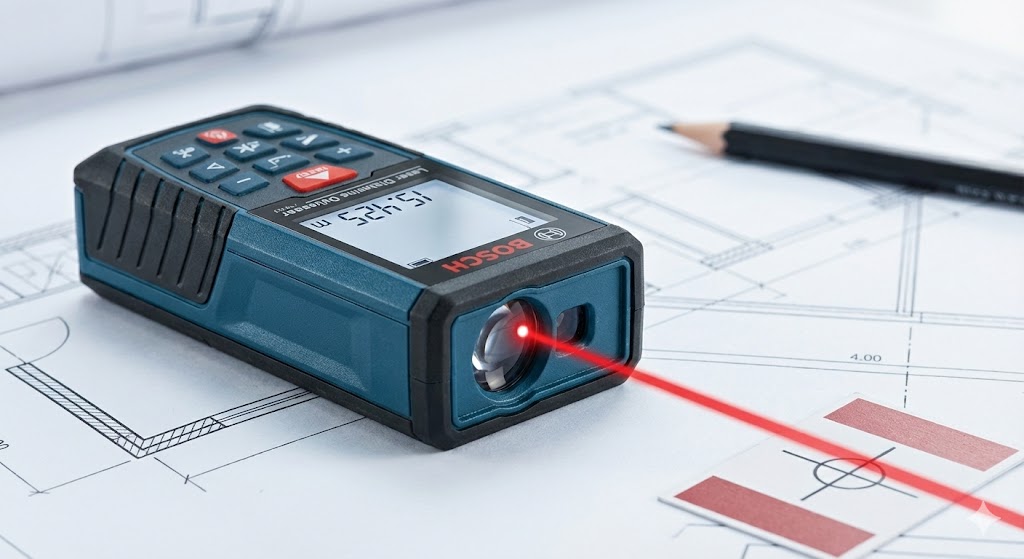
The quality and design of the sensor itself are paramount. The stability of the laser diode, the precision of the internal clock timing the ToF, and the sensitivity of the photodetector are all engineered tolerances that define the instrument's baseline accuracy. Higher-end models use more sophisticated components and signal processing algorithms to filter noise and identify the true return pulse from background interference. The beam divergence—how much the laser spot spreads over distance—also affects accuracy; a tighter beam allows for more precise targeting of small objects.
User technique is an often-overlooked but vital component. Ensuring the device is held steady, preferably on a tripod for long-distance measurements, prevents "wobble" that can skew results. Properly aiming the device's sighting mechanism (whether optical, digital, or through a camera viewfinder) at the intended point is essential. A common mistake is accidentally measuring to a closer foreground object, like a branch or wire, instead of the intended wall or tree behind it.
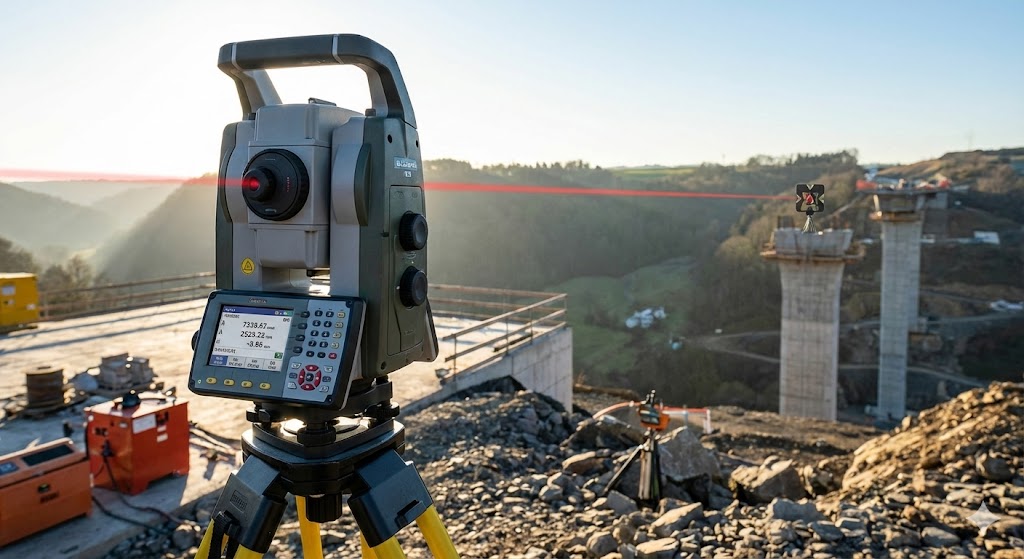
Calibration and maintenance are non-negotiable for sustained accuracy. Like any precision instrument, laser rangefinders can drift over time due to component aging or physical shocks. Regular calibration against a known distance baseline is a best practice, especially for critical applications. Keeping the lens clean from dust, fingerprints, and moisture ensures optimal transmission and reception of the laser signal. Using fresh batteries is also important, as low power can lead to inconsistent laser output and processor errors.
For applications demanding the highest precision, understanding the difference between accuracy and precision (repeatability) is key. A sensor might consistently give the same reading (high precision) that is consistently 5 cm off (low accuracy). True reliability requires both. Furthermore, the specified accuracy often applies to a defined set of conditions; real-world performance may vary. Therefore, for high-stakes projects, it is advisable to perform verification checks using a secondary method, such as a tape measure for short distances or a total station for geospatial work.
In conclusion, laser rangefinder sensor accuracy is not a single static specification but a performance outcome influenced by a symphony of factors. By selecting a sensor with appropriate specifications for the task, understanding the environmental and target-based limitations, and adhering to rigorous operational and maintenance protocols, users can maximize the reliability of their measurements. In an era driven by data, ensuring the accuracy of the tools that gather that data is the first and most crucial step toward successful project execution and informed decision-making.