In the realm of precision measurement and distance calculation, laser rangefinder sensors have become indispensable tools across numerous industries. From construction and surveying to robotics, sports, and military applications, the demand for accurate, reliable, and fast distance measurement is paramount. The core technology, which typically involves emitting a laser beam towards a target and calculating the time it takes for the reflection to return, is implemented with varying degrees of sophistication by different manufacturers. The brand behind the sensor often dictates its performance, durability, and suitability for specific tasks. This article explores some of the leading brands in the laser rangefinder sensor market, highlighting their technological strengths and typical applications.
One of the most respected names in high-precision measurement is Leica Geosystems. With a heritage rooted in Swiss optics and engineering, Leica sensors are synonymous with exceptional accuracy and build quality. Their sensors are frequently integrated into professional surveying instruments, construction equipment, and industrial automation systems. Leica's technology often incorporates advanced waveform processing and multiple target detection, making them ideal for complex environments where reliability cannot be compromised. For professionals who require the utmost precision in fields like civil engineering or topographic mapping, Leica remains a benchmark.
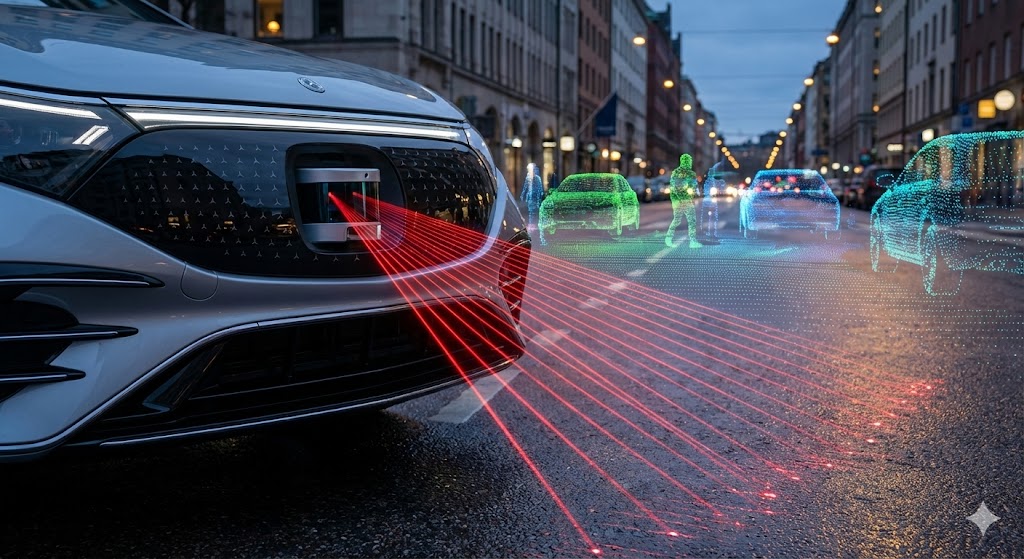
For applications in robotics, autonomous vehicles, and agile industrial automation, SICK AG stands out. This German sensor manufacturer is a powerhouse in factory automation and safety systems. Their portfolio of laser rangefinder sensors, often marketed under categories like LiDAR or distance sensors, is renowned for robustness and high-speed data acquisition. SICK sensors are engineered to perform consistently in harsh conditions, resisting dust, moisture, and vibration. A key strength is their diverse range, offering everything from simple proximity sensors to complex multi-beam scanners used for navigation and object detection in dynamic settings.
Another major player from Germany is Bosch, particularly through its Bosch Rexroth division. While Bosch is a vast conglomerate, its expertise in automotive and industrial technology translates into highly capable laser rangefinder sensors. These sensors are often found in construction machinery (like excavators and graders) for grade control and obstacle avoidance. Bosch sensors emphasize integration, providing seamless connectivity with machine control systems. Their focus is on delivering practical, durable solutions that enhance productivity and safety on job sites, making them a go-to brand for heavy equipment manufacturers.
In the realm of more accessible and versatile laser rangefinding technology, brands like Hokuyo and Benewake are highly influential. Hokuyo, a Japanese company, is celebrated in the research and development community, especially for robotics. Their sensors are known for excellent performance-to-cost ratio, compact size, and high scan rates. Many academic labs and startups prototyping autonomous mobile robots begin with a Hokuyo sensor due to their reliability and extensive documentation. Similarly, Benewake, a rising Chinese brand, has made significant strides by offering a wide array of cost-effective LiDAR and single-point rangefinder sensors. They cater to a growing market in smart appliances, UAVs (drones), and consumer electronics, pushing the boundaries of where laser rangefinding can be applied.
For specialized long-range and tactical applications, brands like Vectronix (now part of Safran) and Bushnell are noteworthy. Vectronix specializes in electro-optical systems for military and security purposes, producing some of the most advanced and rugged long-range laser rangefinders available. On the other hand, Bushnell is a household name in sports optics, particularly hunting and golf. Their laser rangefinders for consumers prioritize ease of use, portability, and speed, with features like slope calculation and pin-seeking technology. This highlights how brand focus shapes the sensor's design—from battlefield survivability to weekend recreation.
Choosing the right laser rangefinder sensor brand ultimately depends on the application's specific requirements: the needed range, accuracy, environmental durability, data output format, and budget. While established European brands often lead in high-end industrial and geomatics precision, innovative Asian brands are driving accessibility and new use cases. Regardless of the choice, the ongoing advancements from these key players continue to expand the possibilities of what can be measured, mapped, and automated with a beam of light.