In today's fast-paced industrial and commercial environments, maintaining a safe perimeter between personnel and potentially hazardous machinery is paramount. This is where personnel proximity sensors, a critical category of safety devices, come into play. These sophisticated electronic systems are designed to detect the presence of humans within a predefined zone, triggering automatic responses to prevent accidents and enhance operational workflows. Unlike simple physical barriers, these sensors provide a dynamic and intelligent layer of protection, adapting to the complexities of modern workspaces.
The core technology behind these sensors varies, each suited to different applications and environmental conditions. Common types include capacitive sensors, ultrasonic sensors, radar-based systems, and LiDAR (Light Detection and Ranging). Capacitive sensors detect changes in an electrical field caused by a person's presence and are often used in applications like elevator doors or touch-sensitive controls. Ultrasonic sensors emit high-frequency sound waves and measure their reflection, ideal for general presence detection in controlled environments. For more demanding scenarios requiring longer range and higher precision, radar and LiDAR systems are employed. These technologies can create detailed spatial maps, distinguishing between personnel, equipment, and other objects with remarkable accuracy, making them indispensable in areas like automated guided vehicle (AGV) pathways and large robotic work cells.
The primary and most crucial application of personnel proximity sensors is in machine safety. Integrated into safety light curtains, laser scanners, or area monitoring systems, they can instantly halt a machine's operation if a worker inadvertently steps into a dangerous zone. This immediate intervention drastically reduces the risk of crushing, cutting, or impact injuries. Compliance with international safety standards, such as ISO 13849 and IEC 61496, is a fundamental aspect of their design and deployment, ensuring a validated Performance Level (PL) or Safety Integrity Level (SIL) for risk reduction.
Beyond pure safety, these sensors are powerful tools for efficiency and process optimization. In collaborative robot (cobot) applications, proximity sensors allow robots to sense human workers and adjust their speed or force accordingly, enabling safe and productive human-robot collaboration without the need for bulky cages. In warehouses, sensors can monitor traffic flow around loading docks or high-traffic aisles, sending alerts to prevent collisions or optimize routing. They can also be used for access control, granting entry only to authorized personnel in specific zones, thereby protecting sensitive equipment or data.
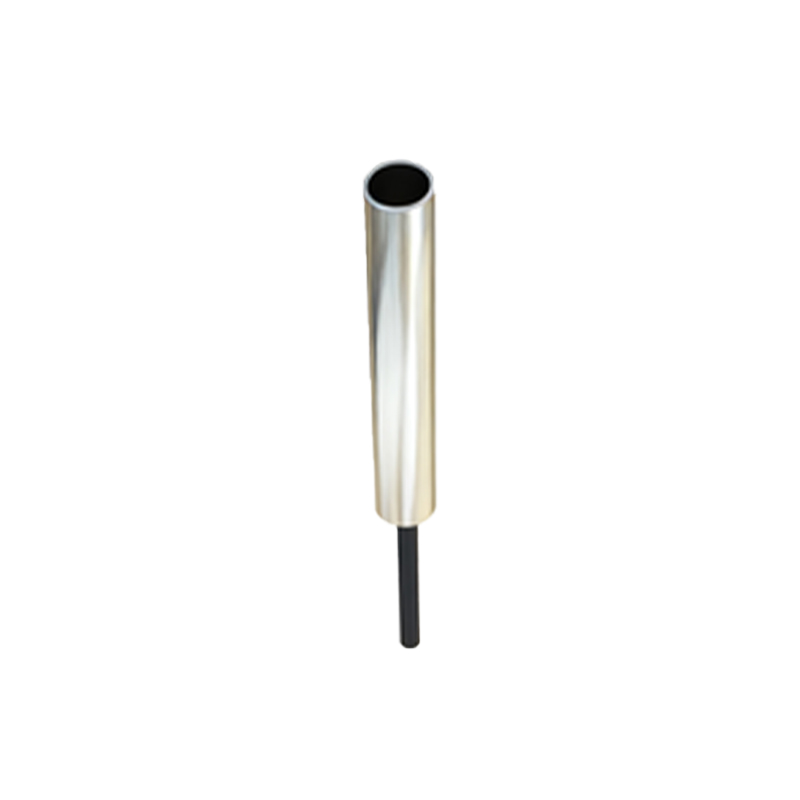
Implementing a personnel proximity sensing system requires careful planning. Key considerations include defining the exact detection zones, understanding the environmental factors (like dust, temperature, or ambient light), and selecting the appropriate technology with the necessary range, resolution, and response time. The system must be installed and configured correctly to avoid nuisance trips or, more critically, failure to detect. Regular testing and maintenance are essential to ensure ongoing reliability. Furthermore, employee training is vital; workers must understand the purpose of the sensors, the boundaries they establish, and the expected automated responses to foster trust and adherence to new safety protocols.
The future of personnel proximity sensing is intertwined with the rise of Industry 4.0 and the Internet of Things (IoT). Next-generation sensors are becoming smarter, with embedded intelligence for data processing and wireless connectivity. They can integrate with broader factory management systems, providing real-time data on zone occupancy, near-miss incidents, and workflow bottlenecks. This data analytics capability allows for predictive safety measures and continuous process improvement. Emerging technologies like 3D time-of-flight cameras and advanced millimeter-wave radar promise even greater precision and the ability to interpret human posture or intent, opening doors to more nuanced and interactive safety systems.
In conclusion, personnel proximity sensors represent a significant evolution in workplace safety technology. They move beyond passive guarding to offer an active, intelligent, and adaptable solution to the challenge of protecting human workers in increasingly automated and complex environments. By creating an invisible yet reliable safety net, they not only prevent accidents and save lives but also unlock new levels of operational efficiency and collaborative potential. As technology advances, their role will only become more integral, shaping safer and more productive workplaces for the future.