In modern manufacturing and quality control, the precise detection and measurement of threads are critical for ensuring product reliability and performance. Laser sensors have emerged as a leading technology for thread inspection, offering non-contact, high-speed, and accurate solutions across various industries, including automotive, aerospace, and machinery. Unlike traditional mechanical gauges or optical comparators, laser sensors utilize focused laser beams to scan thread profiles, capturing detailed data on parameters such as pitch, diameter, depth, and form errors without physical contact. This eliminates wear and tear, reduces inspection time, and minimizes human error, making it ideal for high-volume production environments.
The working principle of laser thread sensors typically involves triangulation or confocal measurement techniques. In triangulation-based systems, a laser diode projects a beam onto the thread surface, and a receiver detects the reflected light's position. As the sensor moves along the thread, variations in the surface geometry cause shifts in the reflected beam, allowing for precise calculation of thread dimensions. Confocal sensors, on the other hand, use chromatic aberration to measure height differences, providing exceptional resolution for fine threads or complex geometries. These methods enable real-time data acquisition, with results often displayed through integrated software that generates 3D models or statistical reports for quality analysis.
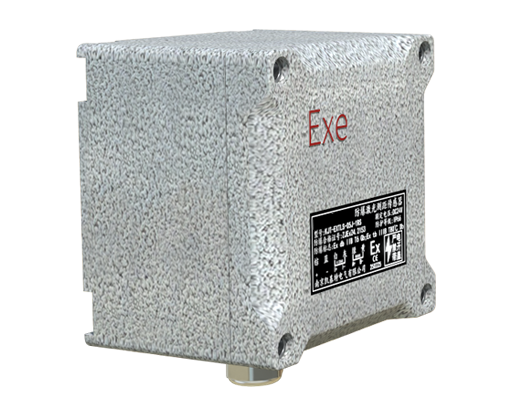
Key advantages of laser sensors for thread applications include their adaptability to different materials—from metals to plastics—and their ability to operate in harsh conditions, such as environments with vibrations, dust, or temperature fluctuations. For instance, in automotive engine manufacturing, laser sensors ensure that cylinder head threads meet strict tolerances, preventing leaks or mechanical failures. Similarly, in aerospace, they verify the integrity of fastener threads in critical components, where even minor deviations can compromise safety. The non-destructive nature of laser inspection also preserves thread surfaces, avoiding scratches or deformations that might occur with contact-based tools.
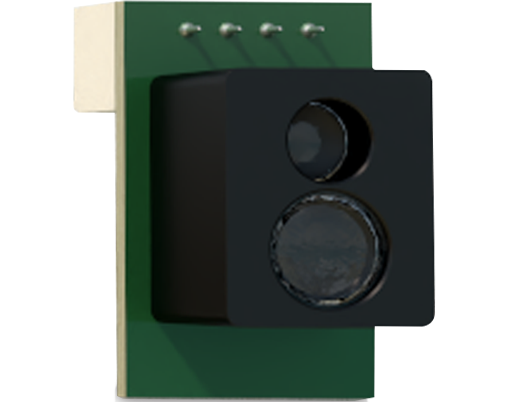
Despite their benefits, implementing laser thread sensors requires careful consideration of factors like sensor selection, calibration, and integration with existing production lines. Engineers must choose sensors with appropriate measurement ranges, resolutions, and scanning speeds based on thread specifications. Calibration against certified standards is essential to maintain accuracy, while proper mounting and alignment prevent measurement errors. Additionally, software compatibility and data interpretation tools play a crucial role in streamlining quality control processes, allowing for automated pass/fail decisions and historical trend analysis.

Looking ahead, advancements in laser technology, such as the integration of artificial intelligence and machine learning, are poised to enhance thread inspection further. Smart sensors can learn from historical data to identify subtle defects or predict wear patterns, enabling proactive maintenance and reducing downtime. As industries continue to demand higher precision and efficiency, laser sensors will remain at the forefront of thread measurement solutions, driving innovation in manufacturing and quality assurance.
In summary, laser sensors represent a transformative approach to thread detection and measurement, combining speed, accuracy, and versatility. By adopting these systems, companies can improve product quality, reduce costs, and maintain competitive edges in global markets. For engineers and quality professionals, understanding the capabilities and applications of laser thread sensors is essential for optimizing industrial processes and ensuring compliance with international standards.