In the landscape of industrial automation and precision engineering, non-contact proximity sensors, often referred to as "rod-type" or "cylindrical" sensors due to their shape, have become indispensable components. Their fundamental principle of operation—detecting the presence or absence of an object without physical contact—unlocks a vast array of applications where reliability, speed, and non-invasive measurement are paramount. Unlike mechanical limit switches, these sensors offer wear-free operation, contributing to lower maintenance costs and higher system uptime.
One of the most prevalent applications is in machine automation and assembly lines. Here, these sensors perform critical tasks such as part presence verification, counting, and position detection. For instance, on a conveyor system, a sensor can confirm that a component has arrived at the correct station before a robotic arm engages in a pick-and-place operation. This prevents costly errors and jams. They are also extensively used for end-of-travel detection on linear actuators and cylinders, providing a clean, solid-state alternative to mechanical limit switches that can wear out or fail due to contamination.
In the realm of material handling and packaging, their role is equally vital. Sensors monitor the level of bulk materials in silos or hoppers, ensuring continuous process flow and preventing overfills or run-outs. In packaging machinery, they detect the presence of labels, caps, or filled containers, triggering subsequent actions in the sealing or capping process. Their ability to detect metallic and, in the case of capacitive models, non-metallic objects like plastic, glass, or liquids, makes them incredibly versatile across different industries.
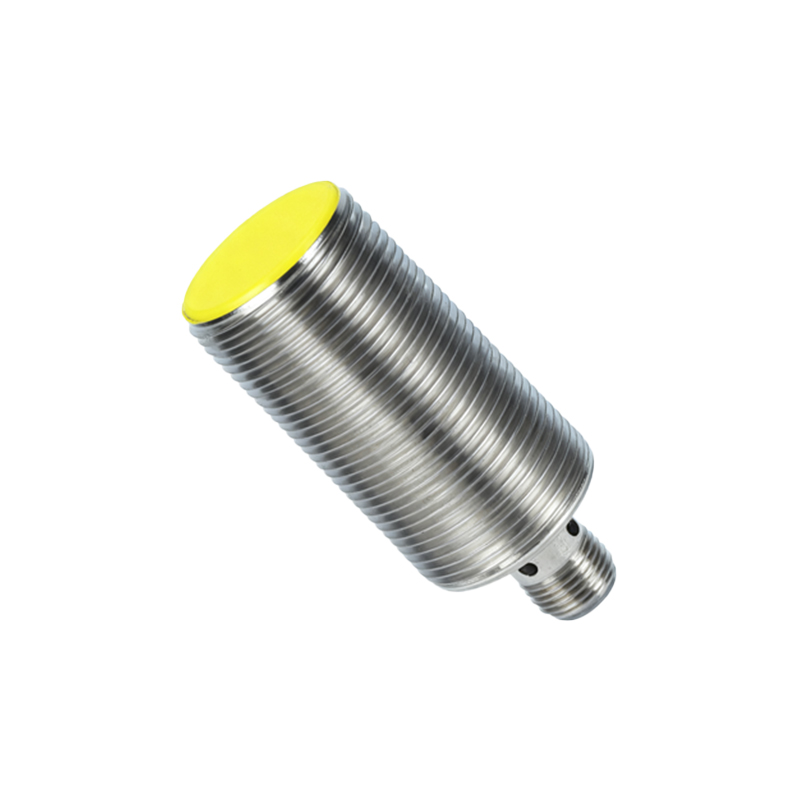
Another significant domain is automotive manufacturing. The high-speed, precision-driven environment of an automotive plant relies heavily on these sensors for tasks ranging from robotic weld gun positioning and part verification on engine blocks to detecting the position of vehicle doors on the assembly line. Their robustness in withstanding harsh environments involving oil, coolant, and metal shavings is a key advantage.
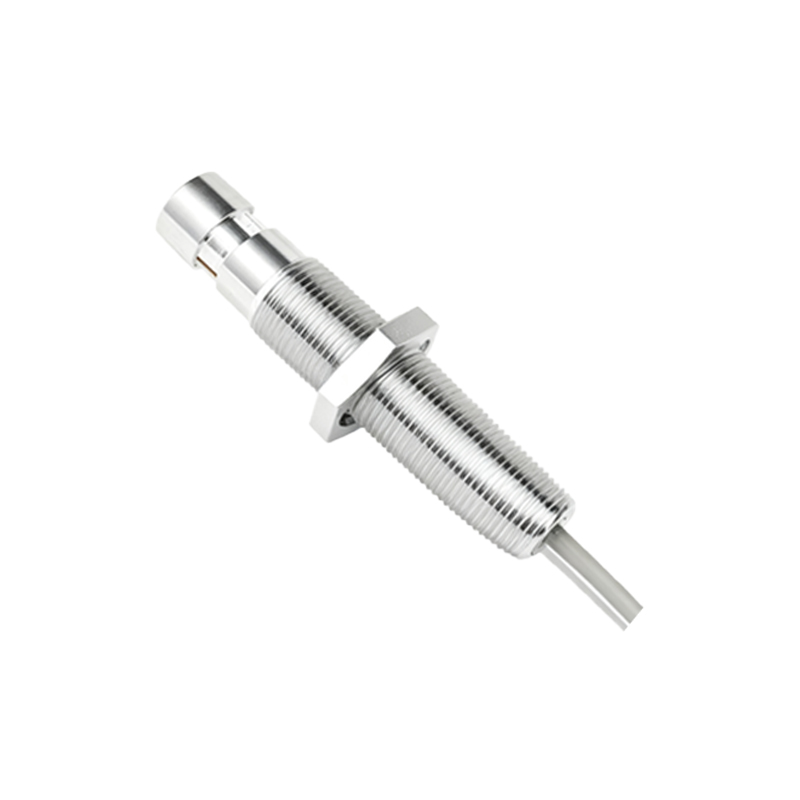
Safety systems also integrate these sensors to create non-contact interlocks and guards. For example, a sensor can monitor the position of a safety door or guard on a machine. If the guard is opened during operation, the sensor immediately signals the control system to halt the machine, protecting personnel from injury. This application highlights the sensor's role in enabling safe human-machine interaction.
Furthermore, in the electronics and semiconductor industry, where contamination and delicate handling are critical concerns, non-contact sensors provide the perfect solution. They can detect the presence of wafers, circuit boards, or tiny components without any risk of physical damage or particle generation that a tactile switch might cause.
The selection of the appropriate sensor type—inductive for metals, capacitive for a wider range of materials including liquids and powders, or photoelectric for longer ranges—is crucial and depends entirely on the specific application requirements, target material, environmental conditions, and required sensing distance.
In conclusion, the application spectrum of rod-type non-contact proximity sensors is remarkably broad, touching nearly every facet of modern manufacturing and process control. From ensuring the smooth flow of an assembly line to safeguarding human operators and enabling precision in delicate processes, these sensors are silent, reliable workhorses that form the backbone of automated, efficient, and safe industrial operations. Their continued evolution in terms of size, sensing range, and connectivity promises to further expand their utility in the era of smart factories and Industry 4.0.