In modern industrial automation, feeding machines play a crucial role in material handling, packaging, and assembly lines. At the heart of these systems lies a critical component: the proximity switch sensor. This device ensures precise control, safety, and efficiency by detecting the presence or absence of objects without physical contact. Understanding its function, types, and applications is essential for optimizing feeding operations.
Proximity switch sensors operate on various principles, including inductive, capacitive, and magnetic sensing. Inductive sensors are commonly used in feeding machines to detect metallic objects. They generate an electromagnetic field and trigger a signal when a metal target enters the range. This makes them ideal for applications involving metal parts, such as in conveyor belts or robotic arms. Capacitive sensors, on the other hand, can detect both metallic and non-metallic materials, including liquids and plastics. They are valuable in feeding systems handling diverse materials, like in food processing or pharmaceutical industries. Magnetic sensors rely on magnetic fields and are often employed in harsh environments due to their durability.
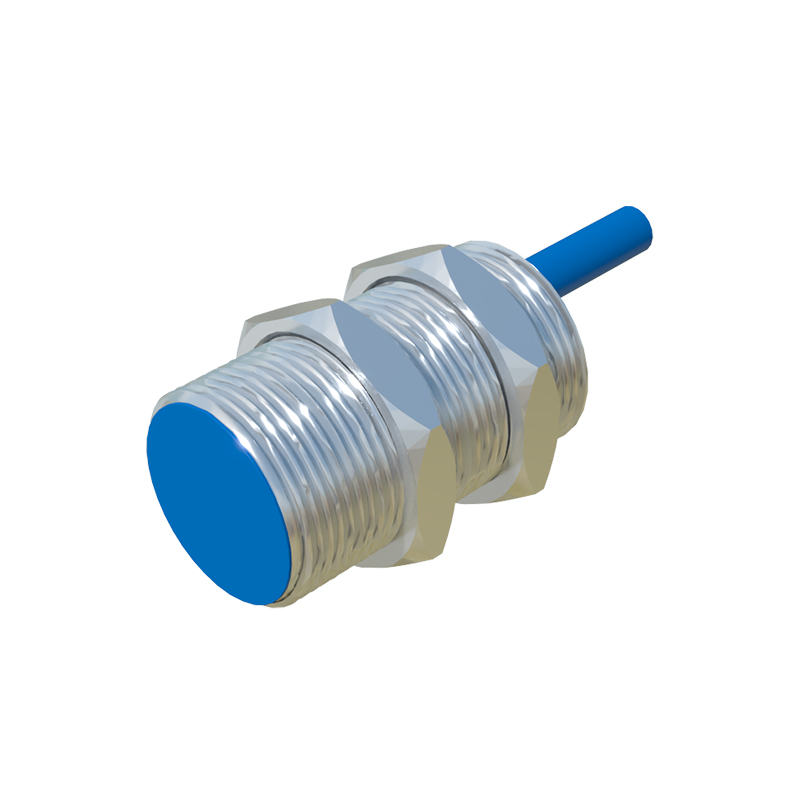
The integration of proximity sensors in feeding machines enhances accuracy and reliability. For instance, in a vibratory feeder, sensors monitor the flow of components, ensuring consistent supply to downstream processes. They prevent jams, overfeeding, or shortages by providing real-time feedback to control systems. This reduces downtime and maintenance costs while improving product quality. Additionally, these sensors contribute to safety by halting machinery when an obstruction is detected, protecting both equipment and operators.
Selecting the right proximity sensor depends on factors like material type, sensing distance, environmental conditions, and response time. In dusty or wet settings, sensors with high IP ratings are necessary to withstand contamination. For high-speed feeding lines, fast-response sensors ensure seamless operation. Regular calibration and maintenance are also vital to sustain performance. Common issues, such as false triggers or signal interference, can often be mitigated through proper installation and shielding.
Innovations in sensor technology continue to evolve. Smart sensors with IoT connectivity enable predictive maintenance and data analytics, allowing feeding machines to adapt dynamically to production demands. As industries embrace Industry 4.0, the role of proximity sensors becomes even more integral, driving automation toward greater efficiency and intelligence.
In summary, proximity switch sensors are indispensable in feeding machines, offering non-contact detection that boosts precision and safety. By choosing appropriate sensors and maintaining them well, industries can achieve smoother operations and higher productivity. Whether in manufacturing, logistics, or packaging, these sensors form the backbone of automated feeding systems, paving the way for advanced industrial solutions.