In the realm of industrial automation and electronic design, proximity sensors are indispensable components for non-contact detection. However, their full potential is often unlocked not by the sensor alone, but through a carefully selected suite of proximity sensor accessories. These add-ons and complementary parts are crucial for ensuring reliable operation, extending sensor life, and adapting the core technology to challenging environments. Understanding the ecosystem of accessories is key to optimizing any sensing application.
One of the most fundamental categories is mounting hardware. Proximity sensors are deployed in diverse locations, from robotic arms to conveyor frames. Standard brackets, flush-mount nuts, and adjustable mounting systems provide secure and precise installation. Proper mounting is not merely mechanical; it ensures the correct sensing distance and orientation, which directly impacts the sensor's repeatability and accuracy. For cylindrical sensors, specific mounting clamps and nuts prevent rotation and vibration-induced misalignment, a common cause of failure in high-cycle applications.
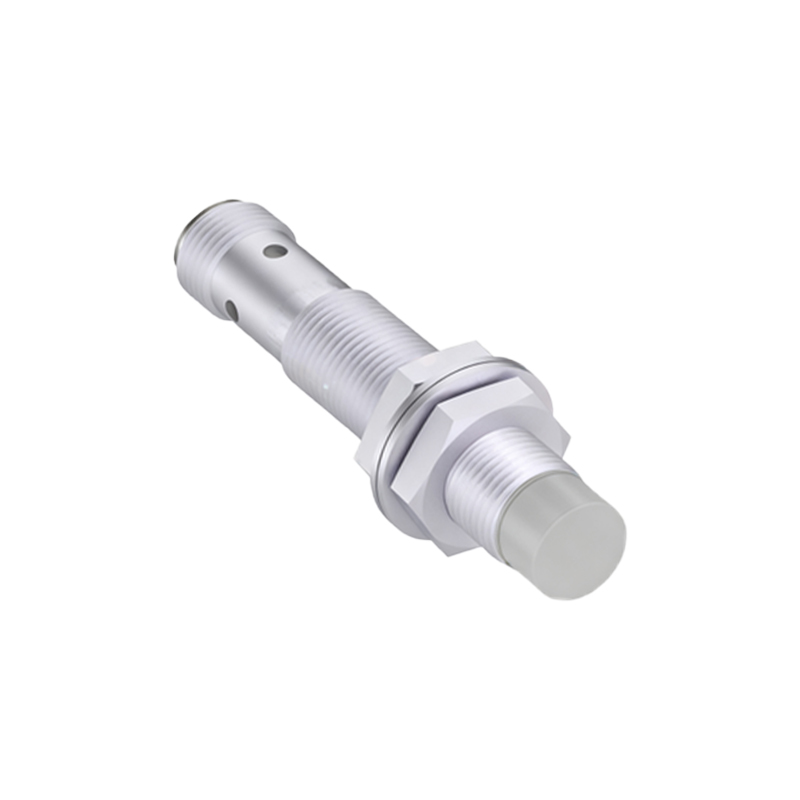
Where environmental protection is paramount, protective accessories become essential. Sensing faces, the active part of the sensor, are vulnerable to physical damage from impacts or abrasion. Metal or rugged polymer protective caps can shield these faces without significantly impairing sensing range. In environments awash with coolants, oils, or conductive metal chips, protective boots or coatings seal the sensor body. For washdown areas in food and beverage or pharmaceutical processing, stainless steel housings and sealed connectors are not accessories but necessities to meet hygiene and IP69K ratings.
Electrical connectivity is another critical area. While many sensors come with attached cables, these are often points of failure due to constant flexing or exposure. Quick-disconnect (QD) cable systems are invaluable accessories. They allow for the sensor to be disconnected rapidly for replacement or maintenance without rewiring the main cable run. This saves downtime and reduces wiring errors. Similarly, junction boxes and cable glands organize multiple sensor connections, protect wire splices from dust and moisture, and provide strain relief, enhancing overall system reliability.
For specific functional enhancements, specialized accessories are available. Sensing range adjusters or attenuators can fine-tune a sensor's field, preventing unwanted triggering by background objects—a common issue in densely packed machinery. Retro-reflective targets for photoelectric sensors or specific material targets for inductive sensors ensure consistent signal reflection. In high-temperature zones near furnaces or welding stations, heat shields and reflective sleeves deflect radiant heat, preventing sensor electronics from exceeding their operational temperature limits.
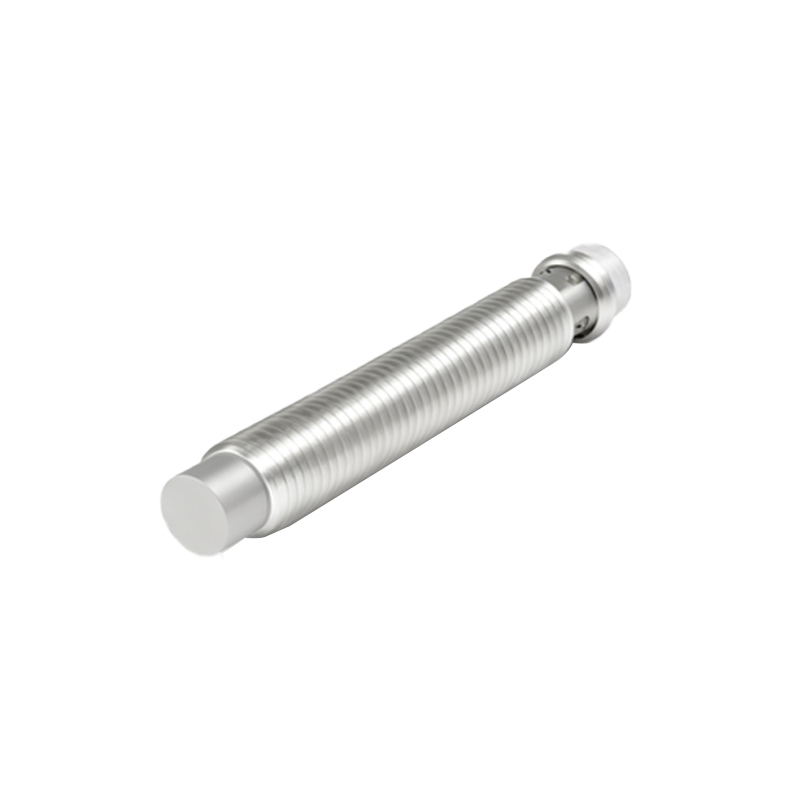
Indicator and diagnostic accessories add a layer of usability. Remote status indicators, often small LED modules that can be mounted on a control panel, provide visual feedback from sensors installed in hard-to-see locations. Testers and calibrators are proactive maintenance tools, allowing technicians to verify sensor output and switching points without disrupting the entire production line. These tools help in predictive maintenance, identifying sensors that are drifting from their specification before they cause a fault.
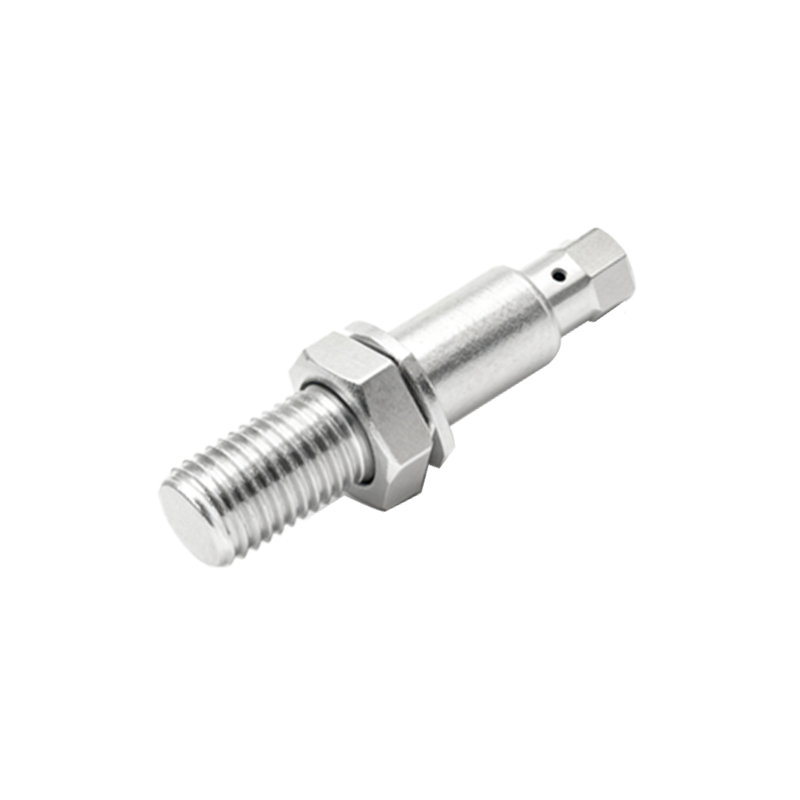
The selection of the right accessories is an integral part of the sensor integration process. It requires a thorough analysis of the application: the physical space, the nature of the target material, the environmental hazards (temperature, chemicals, pressure washing), and the required maintenance protocols. A sensor chosen for its perfect sensing range might fail prematurely without a simple protective boot, while an inexpensive bracket can prevent costly misreads.
Ultimately, proximity sensor accessories are force multipliers. They transform a standard, off-the-shelf sensor into a robust, application-specific solution. Investing in this peripheral ecosystem reduces total cost of ownership by minimizing unplanned downtime, extending maintenance intervals, and ensuring consistent, high-quality data from the sensing point. Whether for a simple object detection task on a packaging line or a critical safety interlock on heavy machinery, the right accessories ensure that the proximity sensor performs not just adequately, but optimally and reliably over its entire service life. They bridge the gap between theoretical sensor performance and the harsh realities of industrial operation.