In modern industrial automation, the integration of proximity sensors with variable frequency drives (VFDs) represents a significant leap in operational efficiency, precision, and energy conservation. This synergy creates intelligent control systems capable of responding dynamically to the physical presence or position of objects, fundamentally transforming processes in material handling, packaging, machining, and assembly lines.
A proximity sensor is a non-contact device that detects the presence or absence of an object within its sensing range. Common types include inductive sensors for metals, capacitive sensors for both metals and non-metals, and photoelectric sensors using light beams. Their primary output is a clean, binary signal—either on or off. The Variable Frequency Drive, on the other hand, is a power controller that adjusts the speed and torque of an AC electric motor by varying the frequency and voltage of its power supply. By combining these two technologies, machines gain a form of "touchless feedback," allowing motor speed to be controlled not just by pre-programmed timers or manual inputs, but by real-time physical events in the process.
The core principle of control is elegantly simple. The proximity sensor acts as the system's eyes. When it detects a target object, it sends a discrete signal to the VFD's control input terminal. This signal can be programmed to trigger a specific action. For instance, upon detection, the VFD can be commanded to ramp the motor up to a preset high speed for rapid movement. Conversely, when the sensor no longer detects the object, the signal changes state, instructing the VFD to slow the motor to a low speed or bring it to a complete stop. This enables precise positioning and reduces unnecessary motor operation. More advanced setups involve multiple sensors providing inputs for complex speed profiles or using analog sensors to provide a continuous signal proportional to distance, allowing for truly proportional speed control.
The practical applications are vast and impactful. In conveyor systems, a sensor placed at a merge point can detect an accumulating backlog of packages. Its signal can command the upstream conveyor's VFD to slow down, preventing jams and product damage, and resume full speed once the backlog clears, optimizing flow. On a packaging machine, a sensor detecting the position of a product on a rotary filler can trigger the VFD controlling the filler motor to synchronize its speed precisely with the product's arrival, ensuring accurate filling without spillage. In automated storage and retrieval systems, sensors are critical for positioning the hoist or shuttle at exact shelf locations; the VFD uses this feedback to execute smooth acceleration and deceleration profiles, ensuring fast yet gentle handling of goods.
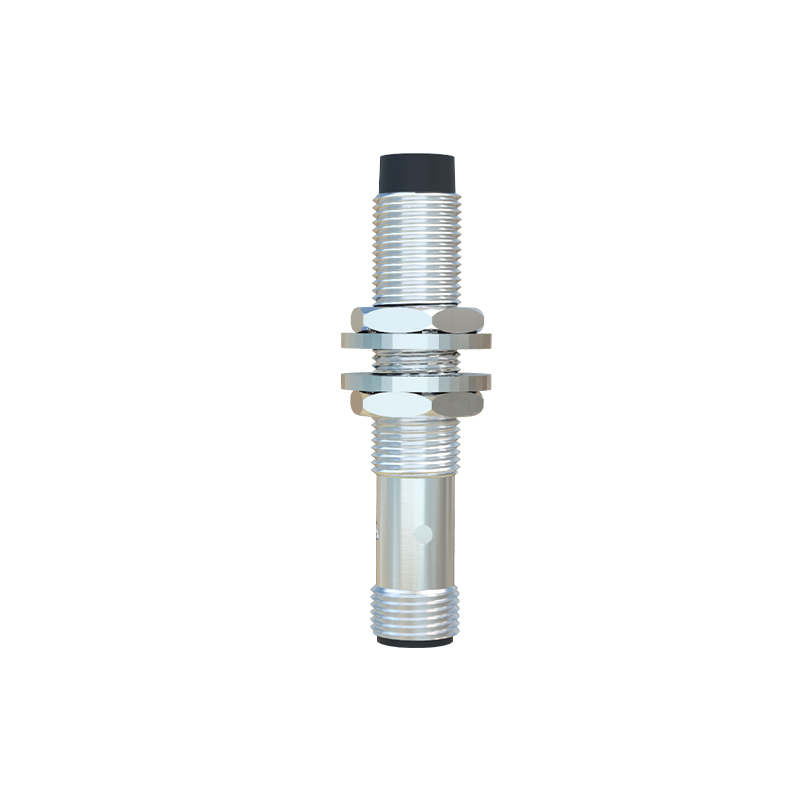
The benefits of implementing proximity sensor control with VFDs are substantial. Energy savings are often the most direct advantage. Motors no longer run at full speed unnecessarily. They operate at reduced speeds or stop entirely when no work is required, drastically cutting power consumption. This also reduces mechanical wear and tear on motors, gearboxes, and driven equipment, leading to lower maintenance costs and extended asset life. Furthermore, process precision and repeatability are greatly enhanced. Operations become responsive to actual conditions rather than estimated time cycles, increasing throughput and product quality while minimizing waste. The system also gains inherent safety and diagnostic capabilities; unexpected object detection can trigger emergency stops or alert operators to process faults.
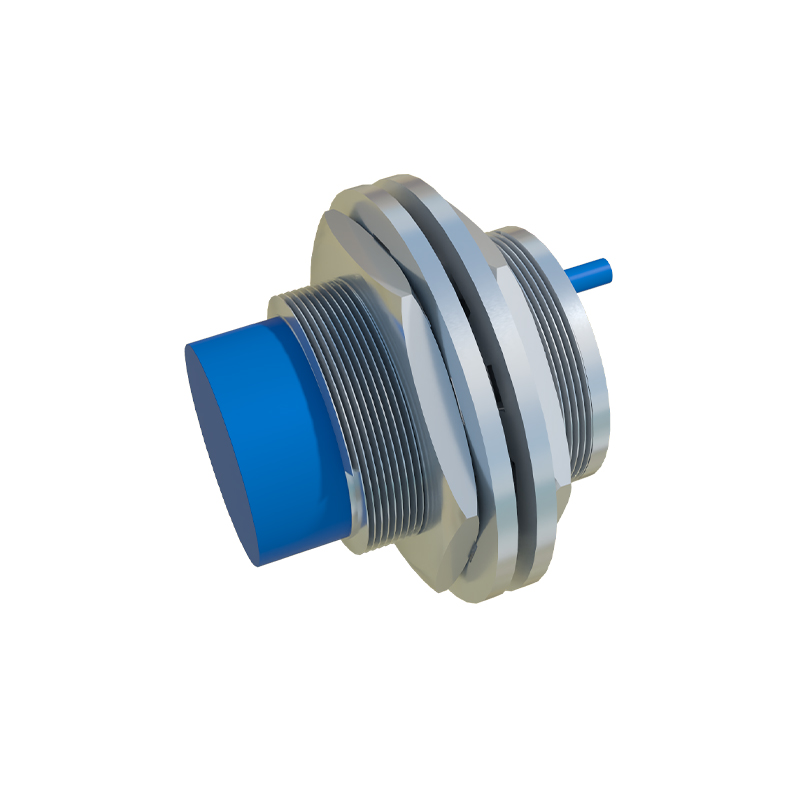
For successful implementation, careful consideration is required. Selecting the correct sensor type for the application (considering target material, sensing distance, and environmental conditions like dust or moisture) is paramount. The electrical interface between the sensor and the VFD must be compatible, typically involving PNP/NPN sourcing/sinking configurations and correct voltage levels (e.g., 24V DC). The VFD's parameters must be meticulously configured. This involves setting the function of the digital input to which the sensor is connected, defining acceleration/deceleration ramps, and programming the specific speed references associated with the sensor's signal state. Proper shielding of sensor cables is essential to prevent electrical noise from the VFD from causing false triggering. Regular maintenance, including keeping sensor faces clean and verifying sensing distances, ensures long-term reliability.
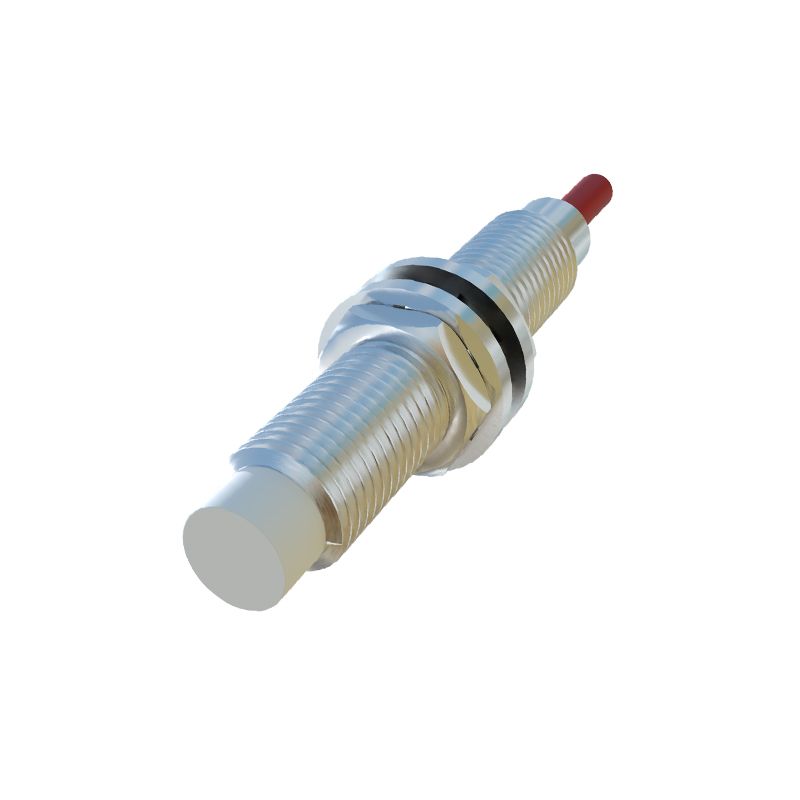
Looking ahead, the convergence of these technologies with Industrial Internet of Things (IIoT) platforms is the next frontier. Smart sensors with integrated IO-Link communication can transmit not just a switch signal but also detailed parameter and diagnostic data. This data can be fed to higher-level systems for predictive maintenance, process optimization analytics, and seamless integration into broader smart factory networks. The basic principle of using a physical event to govern motor speed remains, but the intelligence, connectivity, and data-rich feedback are pushing the boundaries of automation.
In conclusion, using proximity sensors to control variable frequency drives is a cornerstone of efficient and intelligent industrial automation. It moves control systems from open-loop time-based operations to closed-loop event-driven processes. This marriage of sensing and motor control technology delivers a powerful solution for achieving key industrial goals: saving energy, protecting machinery, enhancing precision, and