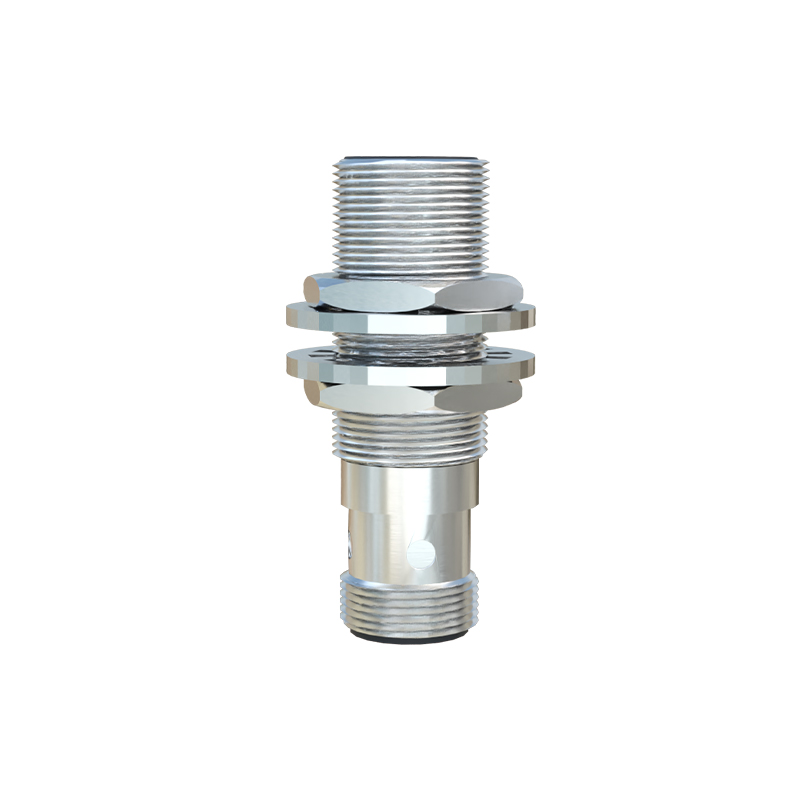
In the realm of automation and electronic control, the demand for reliable, compact, and efficient sensing solutions is ever-present. Among the various technologies available, micro proximity reed sensors stand out as a particularly elegant and robust option for a wide range of applications. These devices, often overshadowed by their solid-state counterparts, offer a unique combination of simplicity, reliability, and cost-effectiveness that makes them indispensable in specific scenarios.
At their core, micro proximity reed sensors are electromechanical switches operated by an applied magnetic field. The fundamental component is the reed switch—a pair of ferromagnetic, nickel-iron reed contacts hermetically sealed within a glass capsule filled with an inert gas. This sealing protects the contacts from dust, corrosion, and oxidation, ensuring long-term reliability. When a magnet approaches within a certain distance, the magnetic field causes the reeds to flex and attract each other, making contact and closing the circuit. When the magnet is removed, the natural spring tension of the reeds pulls them apart, breaking the connection. This simple "make or break" action is the basis of their operation.
The "micro" designation refers to the exceptionally small size of these sensors. Modern manufacturing techniques allow for reed switches and their housings to be miniaturized to dimensions of just a few millimeters. This compact footprint is a critical advantage, enabling integration into space-constrained environments where larger sensors simply cannot fit. Despite their tiny size, they maintain excellent switching characteristics.
One of the most compelling advantages of micro proximity reed sensors is their exceptional reliability and long operational life. With no mechanical wear parts in direct contact (the reeds move within the sealed capsule) and no need for a power supply to generate a sensing field, they are incredibly durable. They can handle millions of switching cycles without degradation. Furthermore, they are inherently immune to environmental factors like water, oil (provided the housing is rated), and dirt. This makes them ideal for harsh industrial environments, automotive applications, and medical devices where consistent performance is non-negotiable.
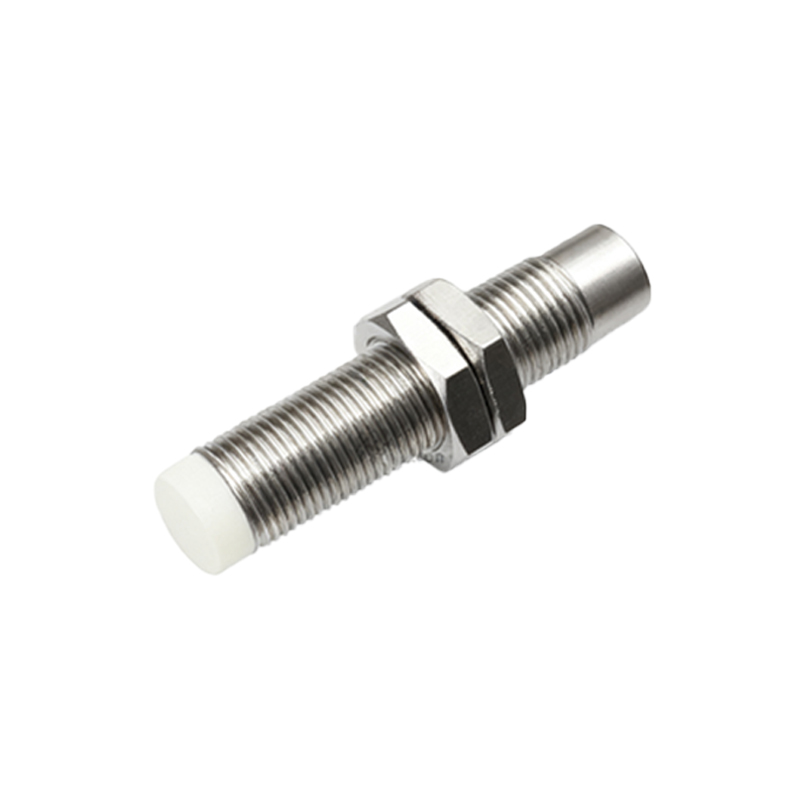
The applications for these tiny sensors are vast and varied. In the automotive industry, they are used for detecting seat belt buckle status, gearbox position, and door/window open/close status. In consumer electronics, they serve as lid or cover switches in laptops and tablets, activating sleep mode when closed. The medical field utilizes them in portable diagnostic equipment and implantable device monitors due to their biocompatible sealing and reliability. Industrial automation employs them for position sensing in valves, cylinders, and robotic arms, where their fast response time and precise actuation point are valuable. They are also fundamental components in security systems, such as door and window sensors in alarm systems.
When selecting a micro proximity reed sensor, several key parameters must be considered. The most crucial is the sensitivity, often defined by the pull-in and drop-out distances—how close a magnet must be to activate the switch and how far it must move to deactivate it. The electrical rating, including maximum switching voltage and current (both AC and DC), must match the circuit requirements. Physical characteristics like housing material (plastic, metal, etc.), lead type (axial, radial, SMD), and ingress protection (IP) rating are selected based on the installation environment. Engineers must also consider the type of magnet used (strength, size, polarity) and its orientation relative to the sensor, as this directly affects the sensing distance and reliability.
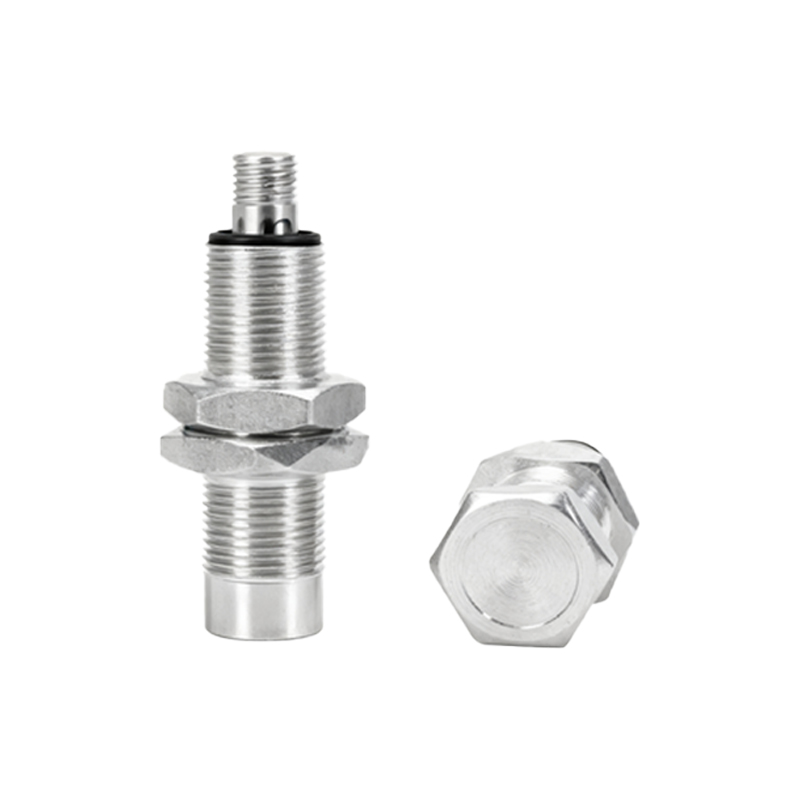
While Hall effect sensors and other solid-state proximity devices offer advantages like no moving parts and the ability to sense through non-ferrous materials, reed sensors hold their ground. They provide a physically isolated switch—a true galvanic separation between the sensing event and the control circuit, which can be vital for noise immunity and safety in certain designs. They also have a lower "on" resistance compared to many semiconductor solutions, leading to minimal voltage drop and heat generation when closed.
In conclusion, micro proximity reed sensors represent a mature yet vital technology. Their blend of miniaturization, hermetically sealed reliability, and straightforward magnetic operation ensures they remain a first-choice component for designers seeking a no-nonsense, durable solution for proximity detection and position sensing. As devices continue to shrink and reliability demands increase, the role of these microscopic workhorses is likely to become even more pronounced, proving that sometimes the simplest solutions are the most enduring.