In the rapidly evolving landscape of industrial automation, consumer electronics, and IoT devices, micro proximity sensors have become indispensable components. These miniature marvels enable non-contact detection of objects, facilitating everything from smartphone screen control to complex robotic assembly lines. The performance and reliability of these applications hinge significantly on the quality of the sensor itself, making the choice of brand a critical decision for engineers and procurement specialists. This article delves into the leading brands that have established themselves as authorities in the micro proximity sensor domain, highlighting their core technologies and typical applications.
Omron, a Japanese electronics giant, stands as a titan in the sensor and automation space. Renowned for their exceptional durability and consistent performance, Omron's micro proximity sensors, such as their E2E and E2A series, are engineered for harsh industrial environments. They offer a wide range of sensing distances, from a few millimeters to several centimeters, with variants including inductive, capacitive, and through-beam types. Their key strength lies in robust construction, high-speed response, and excellent noise immunity, making them a default choice for automotive manufacturing, packaging machinery, and material handling systems where failure is not an option.
Next, Sick AG, a German sensor specialist, brings a reputation for precision and innovation. Sick's micro proximity sensors are often at the forefront of technology, incorporating advanced features like IO-Link communication for smart factory integration. Their products are known for extreme accuracy in positioning tasks and are frequently found in high-end logistics automation, semiconductor fabrication, and cleanroom applications. The brand emphasizes not just detection but also data-rich feedback, supporting the trend towards Industry 4.0 and predictive maintenance.
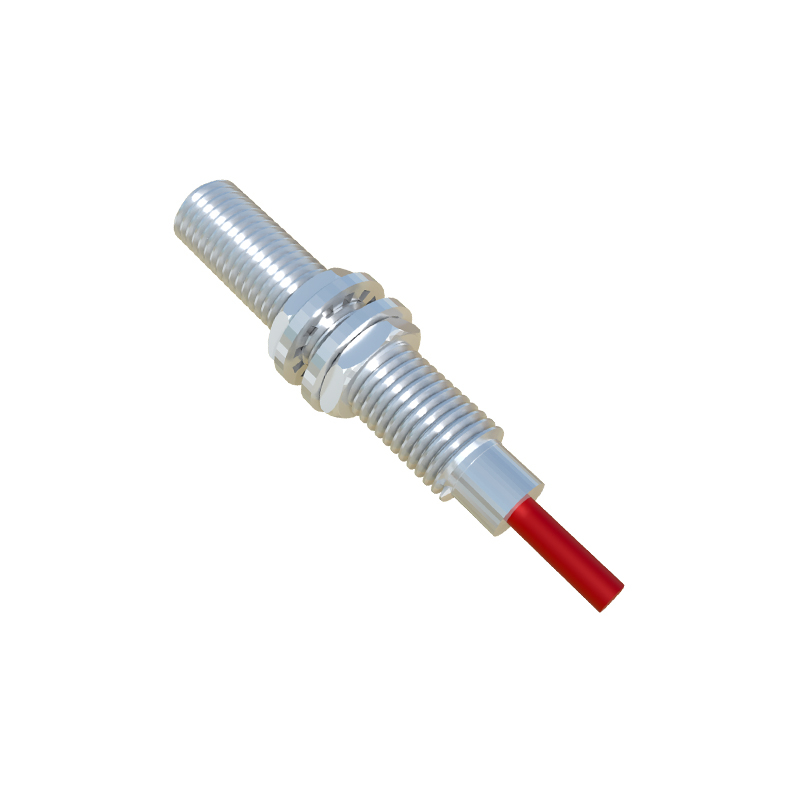
For applications demanding ultra-miniaturization, especially in consumer electronics, companies like Vishay Intertechnology and Panasonic are front-runners. Vishay's portfolio includes photoelectric and inductive sensors in packages so small they can be integrated into wearable devices and ultra-compact modules. Panasonic, with its deep expertise in consumer goods, produces micro sensors that balance cost-effectiveness with reliable performance, commonly used in printers, home appliances, and mobile devices for functions like lid detection and paper jam prevention.
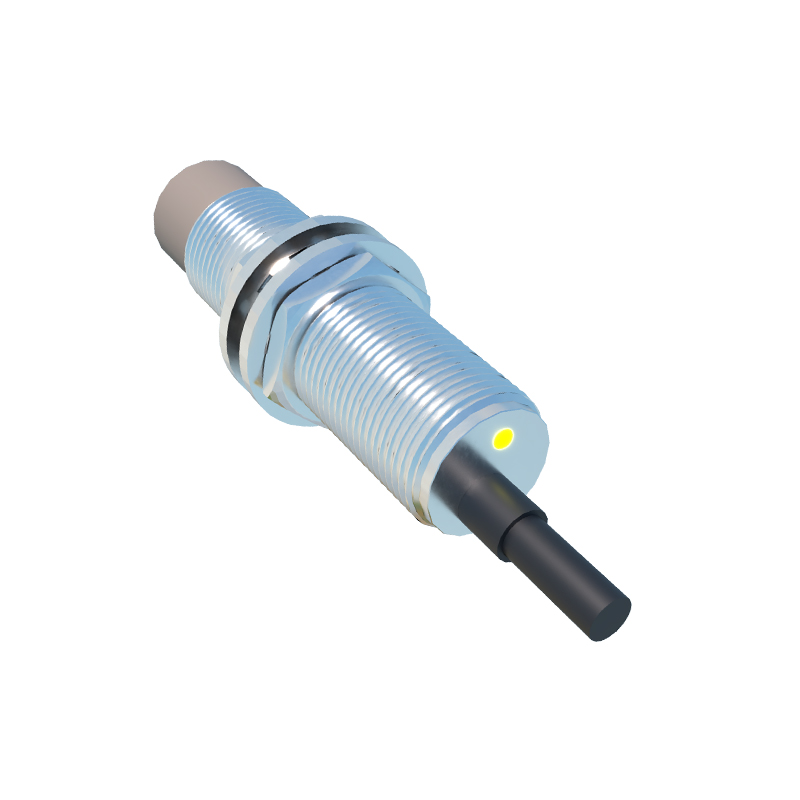
Balluff, another German powerhouse, excels in providing highly customizable and rugged sensor solutions. Their micro proximity sensors are celebrated for their versatility and ability to operate in extreme temperatures and under intense pressure or washdown conditions (IP67/IP69K ratings). This makes them ideal for the food and beverage industry, pharmaceutical production, and heavy machinery. Balluff often integrates their sensors into complete system solutions, offering seamless connectivity with PLCs and other control units.
Emerging players and specialized brands also contribute significantly to the market. Telemecanique Sensors (part of Schneider Electric) offers a reliable range known for user-friendly installation and global availability. On the other hand, brands like Carlo Gavazzi focus on specific niches, providing highly sensitive capacitive sensors perfect for detecting non-metallic materials like glass, wood, or liquids, which expands the possibilities for automation beyond traditional metal detection.
Selecting the right brand involves a careful evaluation of several parameters beyond just the datasheet specifications. Factors such as the required sensing distance, target material (ferrous metal, non-ferrous metal, plastic, liquid), environmental conditions (temperature, humidity, contaminants), output type (NPN/PNN, analog, digital), and supply voltage are paramount. Furthermore, support infrastructure—including technical documentation, local distributor network, and sample availability—can heavily influence the decision, especially for prototyping and medium-volume production.
In conclusion, the market for micro proximity sensors is served by a diverse group of established and specialized brands, each with its own strengths. Omron and Sick lead in industrial robustness and smart features, respectively, while Vishay and Panasonic dominate in miniaturization for mass-market electronics. Balluff provides toughness for harsh environments. The optimal choice is never universal; it is a precise match between the sensor's capabilities and the application's specific demands. Investing time in understanding these brand profiles ensures not only immediate functional success but also long-term reliability and cost efficiency in any project involving precision sensing.