In industrial automation, automotive systems, consumer electronics, and countless other applications, proximity sensors play a crucial role in detecting the presence or absence of objects without physical contact. A common and critical question that arises during selection and installation is: Are proximity sensors waterproof? The answer is not a simple yes or no. It depends entirely on the specific design, construction, and most importantly, the Ingress Protection (IP) rating assigned to the sensor.
The concept of "waterproof" can be misleading. In engineering terms, "water-resistant" or "water-tight" are more accurate descriptors, indicating a level of protection against water ingress under specified conditions. The definitive standard for this protection is the IP Code (IEC 60529), an international classification system that defines the degrees of protection provided by enclosures against solid objects and liquids.
An IP rating typically consists of the letters "IP" followed by two digits. The first digit (0-6) indicates protection against solid particle ingress, like dust. The second digit (0-9K) specifies protection against liquids, primarily water. To understand if a proximity sensor can withstand wet environments, you must examine this second digit.

For instance, a sensor rated IP67 is dust-tight (6) and can withstand immersion in water up to 1 meter for 30 minutes (7). This is a common rating for sensors used in washdown areas in food processing or outdoor applications where they might encounter heavy rain or temporary flooding. A rating of IP65 means the sensor is dust-tight and protected against low-pressure water jets from any direction, suitable for most outdoor installations.
However, it is vital to understand the limitations. An IP67-rated sensor is not designed for continuous submersion or high-pressure, high-temperature washdowns. For such demanding environments, higher ratings like IP68 (continuous immersion under conditions specified by the manufacturer) or IP69K (protection against close-range high-pressure, high-temperature spray downs) are required. Sensors with IP69K ratings are common in industries with stringent hygiene protocols, such as pharmaceutical manufacturing or heavy-duty vehicle cleaning.
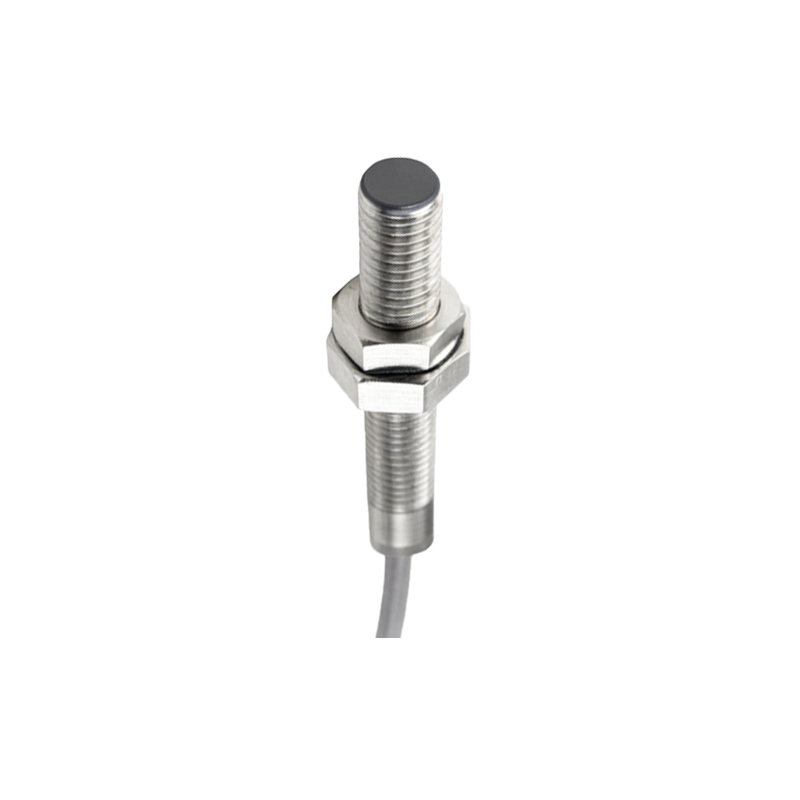
Several factors influence a proximity sensor's ability to resist water. The housing material, typically stainless steel (like 316L for corrosive environments) or rugged plastics like PBT, forms the first line of defense. The seal between the housing and the sensing face is critical; this is often achieved with laser-welded housings or high-quality radial shaft seals (O-rings) made from materials like FKM (Viton) or EPDM, chosen for their resilience against water, chemicals, and temperature extremes. The cable entry point is another potential vulnerability, which is addressed using molded cable glands or connectors that themselves carry a suitable IP rating.
Selecting the right sensor requires matching its IP rating to the environmental conditions. Consider these scenarios:
Indoor, dry control panels: IP20 or similar may be sufficient.
General factory floor with occasional splashes: IP65 is often adequate.
Food & beverage processing, frequent washdowns: IP67 or IP69K is necessary.
Submersible applications, water treatment: IP68 is essential.
Beyond the IP rating, other environmental factors must be considered. Water is rarely pure in industrial settings. Exposure to chemicals, oils, coolants, or extreme temperatures can degrade seals and materials over time, compromising the stated protection. Always consult the sensor's datasheet for detailed information on its resistance to specific fluids and its operational temperature range.
Installation and maintenance are equally important. A sensor with a high IP rating can fail if installed incorrectly. Ensure all locking nuts are tightened to the specified torque, cable glands are properly sealed, and any provided covers are securely fastened. Regular inspection for physical damage to the housing or cracks in the cable sheath is recommended as part of a preventive maintenance routine.
In conclusion, while many proximity sensors are built to be highly water-resistant, none are universally "waterproof." The key to reliable operation in wet or harsh conditions lies in carefully interpreting the IP rating, understanding the exact environmental challenges, and selecting a sensor whose specifications match or exceed those demands. Always prioritize sensors from reputable manufacturers that provide clear, standardized IP ratings and detailed material specifications to ensure long-term performance and system integrity.