In industrial settings where flammable gases, vapors, or combustible dusts are present, safety is not just a priority—it is an absolute necessity. Explosion proof proximity sensors play a critical role in these hazardous environments, providing reliable detection and measurement without becoming a source of ignition. Companies specializing in the design and manufacture of these sophisticated devices are at the forefront of industrial safety technology, combining rigorous engineering with an unwavering commitment to protecting personnel, processes, and facilities.
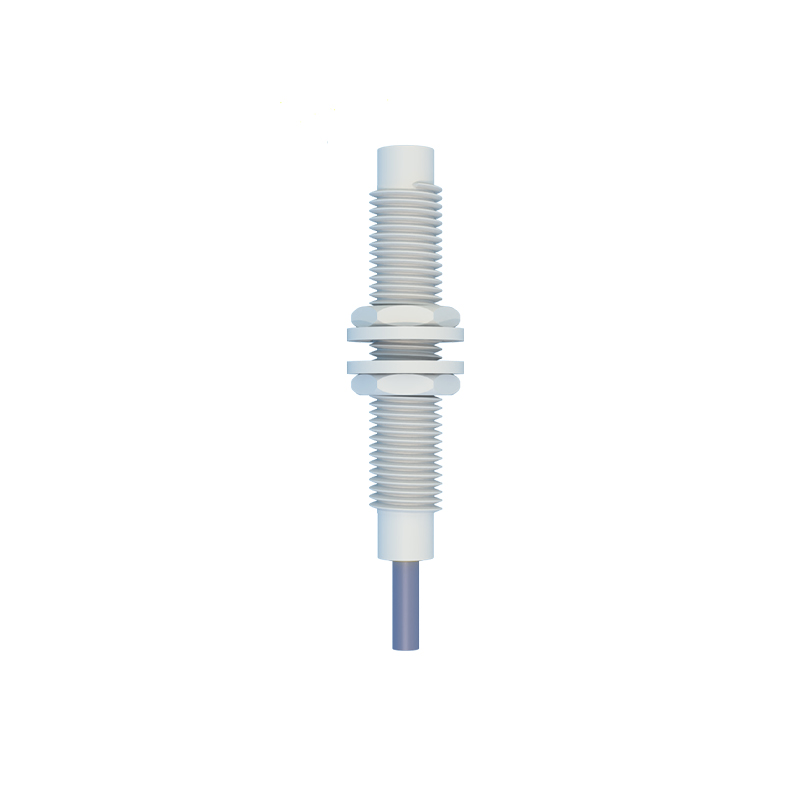
An explosion proof proximity sensor is fundamentally designed to contain any potential spark or thermal effect generated within its housing, preventing it from igniting the surrounding explosive atmosphere. This is achieved through robust construction, often involving heavy-duty enclosures made from materials like stainless steel or brass, and precise engineering that ensures any internal explosion is cooled and contained. These sensors operate on various principles, including inductive, capacitive, and magnetic sensing, to detect the presence or absence of metallic and non-metallic objects without physical contact. Their applications are vast, spanning oil and gas refineries, chemical processing plants, grain elevators, pharmaceutical production, and mining operations.
Leading companies in this niche field distinguish themselves through several key factors. First and foremost is certification. Reputable manufacturers ensure their products meet stringent international standards for use in hazardous areas. Key certifications include ATEX (for Europe), IECEx (international), and UL/CSA (for North America). These certifications are not mere labels; they represent a rigorous testing process that validates the sensor's ability to operate safely under specific conditions defined by gas groups and temperature classes.
Innovation is another critical differentiator. Top-tier companies continuously invest in research and development to enhance sensor performance. This includes improving sensing ranges, increasing immunity to electromagnetic interference, developing models with extended temperature tolerances, and integrating advanced diagnostics. The rise of Industry 4.0 has also pushed these companies to develop smart sensors with digital outputs and connectivity features, enabling predictive maintenance and integration into broader plant safety and control systems without compromising their intrinsic safety or explosion-proof integrity.
Durability and reliability are non-negotiable. These sensors are deployed in some of the harshest environments on earth—subject to extreme temperatures, corrosive chemicals, high pressure, and mechanical vibration. Therefore, manufacturers must use high-grade materials and superior sealing technologies (often achieving IP67, IP68, or IP69K ratings for dust and water ingress) to guarantee long-term, maintenance-free operation. A sensor failure in a hazardous location can have catastrophic consequences, so reliability is engineered into every component.
Furthermore, expert application support is a hallmark of a trusted supplier. The selection of the correct sensor type, housing material, sensing technology, and certification for a specific zone (Zone 0, 1, 2 for gases; Zone 20, 21, 22 for dust) is complex. Established companies provide extensive technical documentation, sizing tools, and engineering support to help clients navigate these choices, ensuring the installed solution is both safe and optimal for the application.
The market for explosion-proof equipment is served by a mix of large, global automation conglomerates and specialized, focused manufacturers. The larger players often offer a comprehensive portfolio of industrial sensors and control equipment, providing one-stop-shop convenience. The specialists, however, frequently dive deeper into the nuances of hazardous location sensing, offering exceptionally ruggedized products or cutting-edge solutions for unique challenges. Both models are vital, driving competition and technological advancement.
Ultimately, partnering with a competent explosion proof proximity sensor company is a strategic decision for any organization operating in classified hazardous areas. It is an investment in a safety culture that prioritizes the prevention of fires and explosions. These companies do not merely sell a product; they provide a critical component of a layered safety system. By delivering devices that offer precise, dependable sensing within inherently safe enclosures, they enable industries to operate with greater confidence, efficiency, and compliance, safeguarding both human lives and valuable industrial assets from the ever-present risks of explosive atmospheres. The continuous evolution of their products ensures that as industrial processes become more advanced, the fundamental shield of protection they offer remains robust and unwavering.