In the realm of industrial automation and control, proximity sensors are indispensable for detecting the presence or absence of objects without physical contact. Among these, high temperature proximity sensors represent a specialized and critical category, engineered to perform reliably in extreme thermal conditions where standard sensors would fail. These robust devices are pivotal in industries such as metal processing, glass manufacturing, automotive foundries, and aerospace, where ambient temperatures routinely exceed the operational limits of conventional electronic components.
The core challenge in designing a high temperature proximity sensor lies in its ability to withstand sustained exposure to heat while maintaining precise detection capabilities. Standard inductive, capacitive, or photoelectric sensors typically have an operational ceiling around 70-85°C (158-185°F). In contrast, high temperature variants are specifically constructed to function in environments ranging from 100°C (212°F) up to 200°C (392°F) or even higher for certain specialized models. This resilience is achieved through a combination of advanced materials, innovative engineering, and protective design strategies.
Key to their construction is the use of high-temperature-resistant materials. The sensor housing is often crafted from specialized stainless-steel alloys or nickel-plated brass, providing both mechanical strength and thermal endurance. Internally, critical electronic components are selected or designed for thermal stability. This includes high-temperature solder, ceramic printed circuit boards (PCBs) that resist warping, and semiconductors rated for extended high-temperature operation. The sensing face, a critical point of thermal transfer, frequently incorporates a PEEK (Polyether Ether Ketone) or ceramic cap to insulate the internal coil and electronics from direct heat from the target object or environment.
Another fundamental design aspect is thermal management. Engineers employ various techniques to dissipate or isolate heat. Some sensors feature extended barrels or mounting brackets that create a physical distance between the high-temperature zone and the sensor's electronics. Others integrate passive cooling fins or are designed for installation with cooling jackets or air purge systems that circulate cooler air around the sensor body. The cabling is equally crucial; high-temperature sensors require wiring with PTFE (Teflon) or fiberglass insulation to prevent melting and short circuits.
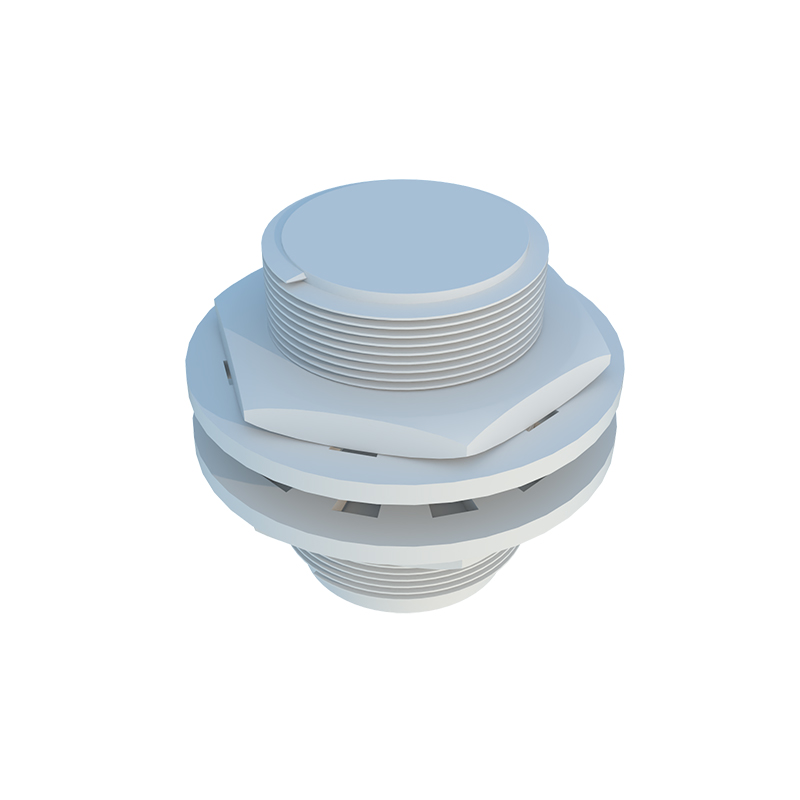
The operational principle remains based on electromagnetic induction for inductive types, which are the most common in high-heat metal detection applications. The sensor generates an electromagnetic field. When a metallic target enters this field, eddy currents are induced in the target, causing a change in the sensor's own oscillation amplitude. This change is detected and converted into a solid-state output signal. The engineering feat is ensuring this oscillator circuit remains stable despite thermal expansion of components and changes in material properties with temperature.
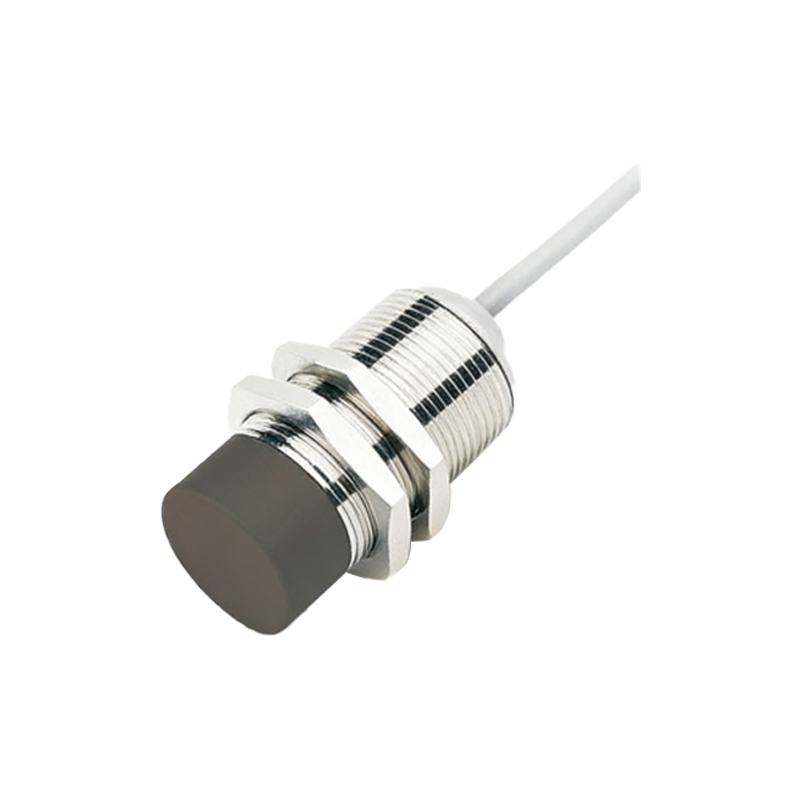
Selecting the right high temperature proximity sensor requires careful consideration of several parameters beyond just the maximum ambient temperature. The target temperature is often significantly higher than the ambient air temperature, especially when sensing hot metal ingots, molten glass, or freshly cast parts. The sensor's rated sensing distance may decrease at elevated temperatures, necessitating consultation of detailed temperature-derating charts provided by manufacturers. Other vital factors include the required output type (PNP/NPN, analog, IO-Link), housing shape (cylindrical, rectangular), size, and ingress protection (IP) rating for resistance to dust and coolant.
Maintenance and installation practices are paramount for longevity. Even a sensor rated for 150°C will have a reduced lifespan if constantly operated at its thermal limit. Proper installation to avoid direct radiant heat from furnaces, correct wiring to prevent additional resistive heating at connections, and regular inspection for thermal degradation of the housing and cable are essential best practices.
In conclusion, high temperature proximity sensors are not merely standard sensors placed in a hot oven; they are the product of deliberate material science and precision engineering. They enable automation and safety in the most punishing industrial settings, ensuring process reliability, protecting expensive machinery, and enhancing overall operational efficiency. As industrial processes push toward higher temperatures and greater demands, the continued evolution of these sensors will remain a key focus for engineers driving innovation in factory automation and control systems.