In the field of industrial automation and electrical engineering, proximity sensors are widely used for non-contact detection of objects. A common question that arises among professionals and enthusiasts is whether these sensors fall under the category of low voltage or weak electrical systems. To address this, it is essential to understand the operational principles, voltage ratings, and application contexts of proximity sensors.
Proximity sensors function by emitting an electromagnetic field or a beam of electromagnetic radiation, such as infrared light, and detecting changes in the field or return signal. They are typically categorized into inductive, capacitive, and photoelectric types, each suited for specific materials and environments. From an electrical perspective, most standard proximity sensors operate at low voltage levels, commonly ranging from 10 to 30 volts DC (VDC) or 20 to 250 volts AC (VAC). For instance, many inductive proximity sensors in industrial settings use 12-24 VDC, which is classified as low voltage according to international standards like IEC 61131-2. This range ensures safety, reduces energy consumption, and minimizes interference with other electronic components.
The term "weak electrical" often refers to systems involving low power, signal, or control circuits, as opposed to "strong electrical" systems that handle high power distribution. Proximity sensors align with weak electrical systems because they primarily deal with control signals rather than high-power loads. They generate low-current output signals, typically in the milliampere range, to interface with programmable logic controllers (PLCs), relays, or other control devices. This low-power characteristic makes them suitable for integration into sensitive electronic networks without risking damage or requiring heavy-duty wiring.
However, it is crucial to note that not all proximity sensors are exclusively low voltage. Some specialized models, designed for harsh environments or specific industrial applications, may operate at higher voltages. For example, certain capacitive proximity sensors used in heavy machinery might support up to 240 VAC. Despite this, the majority of applications in manufacturing, robotics, and automotive industries rely on low-voltage variants due to their efficiency and compliance with safety regulations. Standards such as UL 508 and ISO 13849-1 emphasize the use of low voltage in control circuits to prevent electrical hazards, reinforcing the weak electrical nature of these sensors.
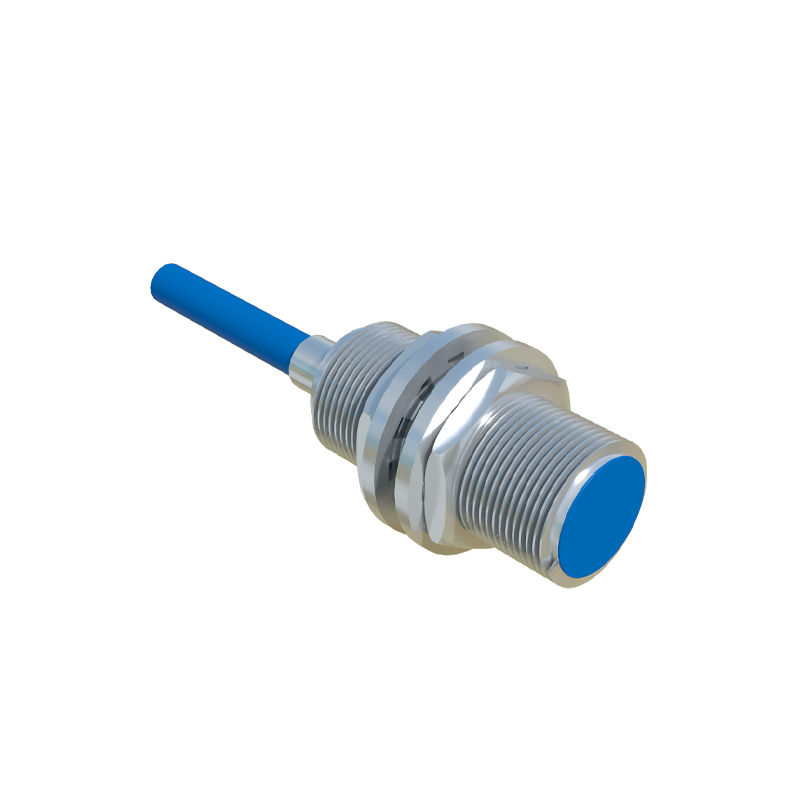
In practice, the distinction between low voltage and weak electrical systems can be subtle. Proximity sensors often serve as input devices in control loops, where they transmit signals to activate or deactivate processes. Their design focuses on reliability and precision rather than power handling, further cementing their place in weak electrical domains. Engineers selecting proximity sensors must consider factors like supply voltage, output type (e.g., NPN or PNP), and environmental conditions to ensure compatibility with existing low-voltage infrastructures.
Overall, proximity sensors are predominantly considered low voltage devices and integral components of weak electrical systems. Their operation at safe voltage levels, coupled with low-power signal processing, aligns with industry norms for automation and control. As technology advances, trends toward miniaturization and energy efficiency continue to drive the development of even lower-voltage sensors, solidifying their role in modern electrical engineering. Professionals should always refer to manufacturer specifications and relevant standards to confirm voltage ratings for specific applications.