In the realm of industrial automation and precision measurement, laser sensors have emerged as indispensable tools. Their ability to deliver non-contact, high-accuracy, and high-speed measurements makes them a cornerstone technology across diverse sectors. This article delves into the fundamental principles, key applications, and critical selection factors for laser sensors, providing a comprehensive overview for engineers and technical decision-makers.
At its core, a laser sensor operates by emitting a focused beam of coherent light—typically from a laser diode—towards a target object. The sensor then detects the interaction of this beam with the target. The specific measurement principle defines the primary types of laser sensors. The most common are triangulation sensors and time-of-flight (ToF) sensors. In triangulation, the emitted laser spot is viewed from an angle by a receiving element, usually a position-sensitive detector (PSD) or a CMOS/CCD array. As the target distance changes, the position of the reflected spot on the detector shifts. Using trigonometric calculations, the sensor precisely determines the distance or displacement. This method excels in high-resolution measurements at short to medium ranges, often down to micrometer-level accuracy.
Conversely, Time-of-Flight sensors measure the time it takes for a laser pulse to travel to the target and back. By knowing the speed of light, the sensor calculates the distance. ToF sensors are ideal for longer ranges, from several meters to hundreds of meters, though with typically lower resolution than triangulation sensors. Another variant is the laser confocal displacement sensor, which uses chromatic aberration to achieve exceptional resolution for surface profiling and thickness measurement.
The applications of laser sensors are vast and transformative. In manufacturing, they are pivotal for quality control, performing tasks like dimensional gauging, thickness measurement of materials, and inspection of component presence or absence on assembly lines. Robotics heavily relies on laser sensors for precise positioning, obstacle detection, and guidance, enabling complex automated maneuvers. In logistics, they facilitate package dimensioning, level sensing in silos, and barcode scanning. Furthermore, laser sensors play a critical role in research and development, semiconductor fabrication, and even in consumer electronics for features like autofocus and gesture recognition.
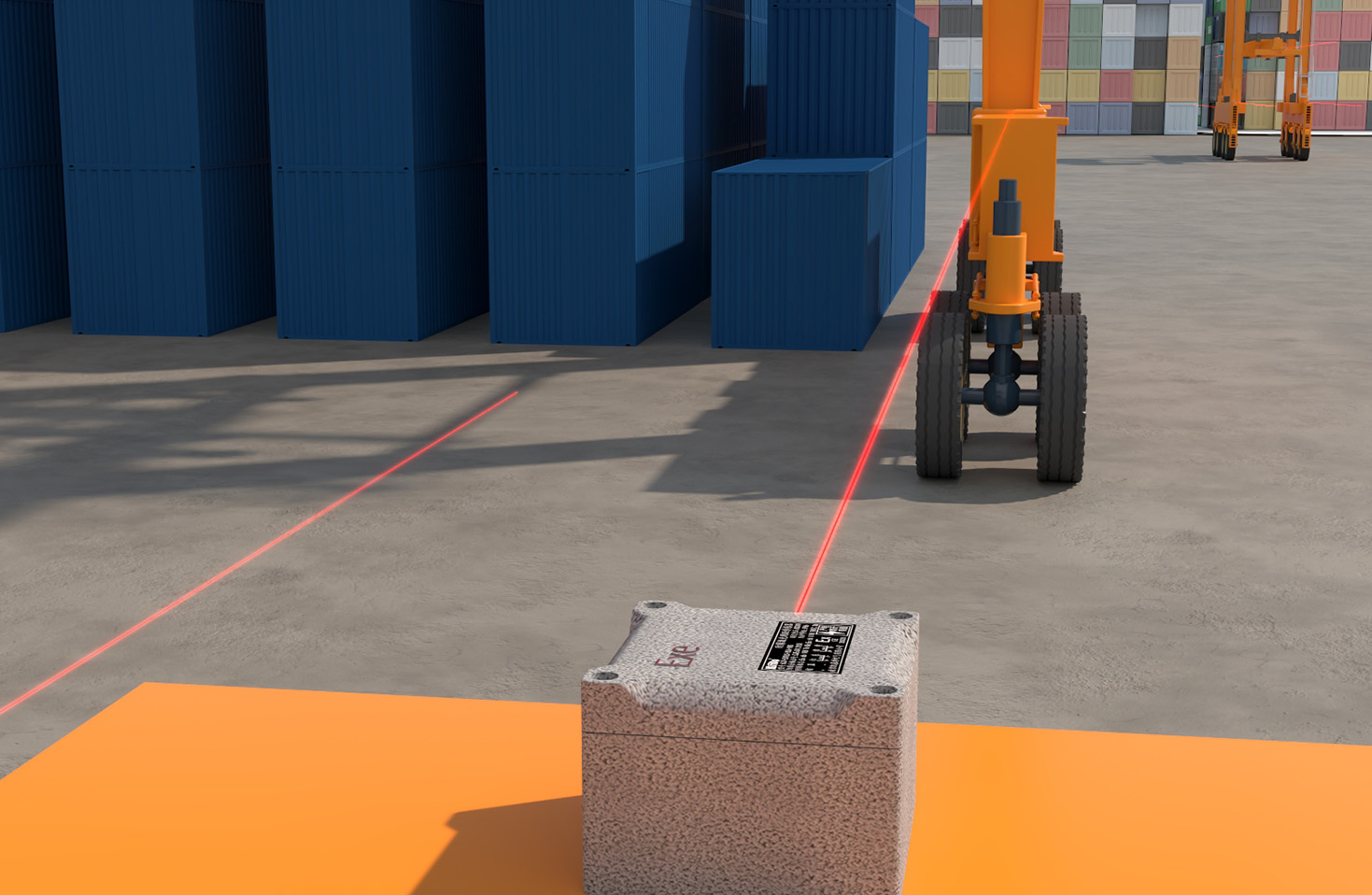
Selecting the appropriate laser sensor for a specific application requires careful consideration of several technical parameters. First is the measurement range and standoff distance—the distance from the sensor head to the target. The required resolution and repeatability are paramount; a sensor for profiling a machined surface demands sub-micron repeatability, while one for detecting a passing object may only need millimeter accuracy. The target's characteristics—its color, material, surface finish (rough, shiny, transparent)—drastically affect performance. A diffuse white surface reflects light well, whereas a glossy black or transparent surface can pose challenges, often necessitating sensors with specialized algorithms or adjustable sensitivity.
Environmental factors cannot be overlooked. Industrial settings may involve vibrations, ambient light interference, dust, or temperature fluctuations. Sensors with robust housings (IP ratings), high ingress protection, and temperature compensation are essential for reliable operation in harsh conditions. The output signal type (analog voltage/current, digital IO, serial communication like RS-485 or Ethernet) must integrate seamlessly with the existing control system, such as a PLC or PC. Finally, considerations around mounting constraints, ease of configuration, and long-term maintenance support complete the selection checklist.
In conclusion, laser sensors represent a sophisticated fusion of optics, electronics, and software, offering unparalleled capabilities for non-contact measurement. Their evolution continues with trends towards miniaturization, smarter onboard processing, and enhanced connectivity for Industry 4.0 ecosystems. For engineers, a thorough understanding of their operating principles and a methodical approach to selection based on application demands are key to leveraging their full potential, driving efficiency, precision, and innovation in automated processes.
At its core, a laser sensor operates by emitting a focused beam of coherent light—typically from a laser diode—towards a target object. The sensor then detects the interaction of this beam with the target. The specific measurement principle defines the primary types of laser sensors. The most common are triangulation sensors and time-of-flight (ToF) sensors. In triangulation, the emitted laser spot is viewed from an angle by a receiving element, usually a position-sensitive detector (PSD) or a CMOS/CCD array. As the target distance changes, the position of the reflected spot on the detector shifts. Using trigonometric calculations, the sensor precisely determines the distance or displacement. This method excels in high-resolution measurements at short to medium ranges, often down to micrometer-level accuracy.
Conversely, Time-of-Flight sensors measure the time it takes for a laser pulse to travel to the target and back. By knowing the speed of light, the sensor calculates the distance. ToF sensors are ideal for longer ranges, from several meters to hundreds of meters, though with typically lower resolution than triangulation sensors. Another variant is the laser confocal displacement sensor, which uses chromatic aberration to achieve exceptional resolution for surface profiling and thickness measurement.
The applications of laser sensors are vast and transformative. In manufacturing, they are pivotal for quality control, performing tasks like dimensional gauging, thickness measurement of materials, and inspection of component presence or absence on assembly lines. Robotics heavily relies on laser sensors for precise positioning, obstacle detection, and guidance, enabling complex automated maneuvers. In logistics, they facilitate package dimensioning, level sensing in silos, and barcode scanning. Furthermore, laser sensors play a critical role in research and development, semiconductor fabrication, and even in consumer electronics for features like autofocus and gesture recognition.
Selecting the appropriate laser sensor for a specific application requires careful consideration of several technical parameters. First is the measurement range and standoff distance—the distance from the sensor head to the target. The required resolution and repeatability are paramount; a sensor for profiling a machined surface demands sub-micron repeatability, while one for detecting a passing object may only need millimeter accuracy. The target's characteristics—its color, material, surface finish (rough, shiny, transparent)—drastically affect performance. A diffuse white surface reflects light well, whereas a glossy black or transparent surface can pose challenges, often necessitating sensors with specialized algorithms or adjustable sensitivity.
Environmental factors cannot be overlooked. Industrial settings may involve vibrations, ambient light interference, dust, or temperature fluctuations. Sensors with robust housings (IP ratings), high ingress protection, and temperature compensation are essential for reliable operation in harsh conditions. The output signal type (analog voltage/current, digital IO, serial communication like RS-485 or Ethernet) must integrate seamlessly with the existing control system, such as a PLC or PC. Finally, considerations around mounting constraints, ease of configuration, and long-term maintenance support complete the selection checklist.
In conclusion, laser sensors represent a sophisticated fusion of optics, electronics, and software, offering unparalleled capabilities for non-contact measurement. Their