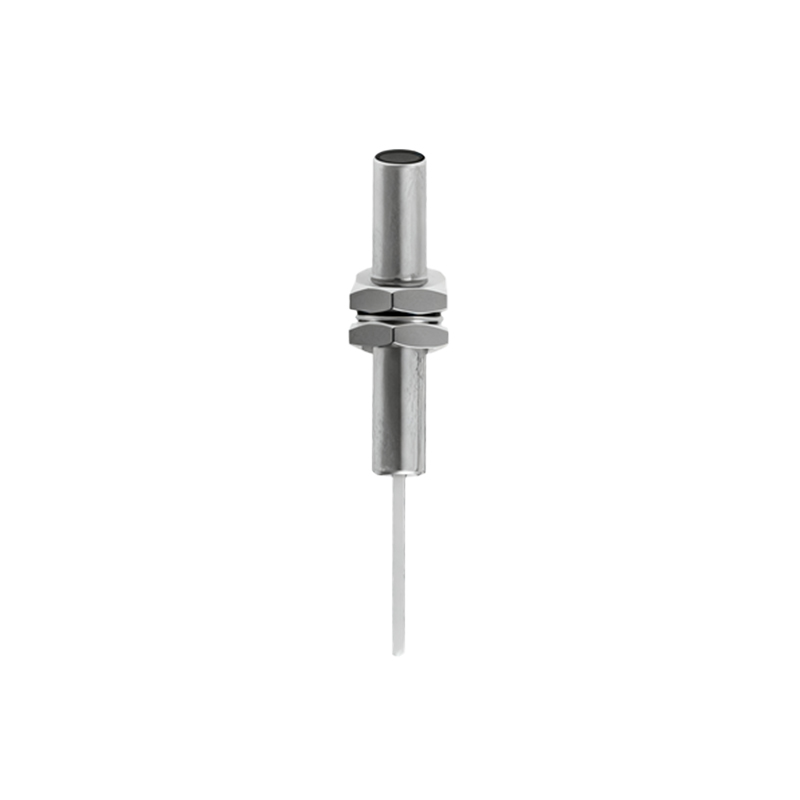
In the demanding landscape of industrial automation, particularly within sectors like oil & gas, chemical processing, mining, and pharmaceuticals, the integrity of safety systems is non-negotiable. At the core of these systems in hazardous environments are explosion-proof proximity sensors. These specialized devices are engineered to detect the presence or absence of objects without physical contact, all while containing any potential electrical spark or thermal effect that could ignite surrounding flammable gases, vapors, or dust. The manufacturers dedicated to this niche are not merely component suppliers; they are critical partners in operational safety, reliability, and compliance with stringent global standards.
The engineering philosophy behind explosion-proof protection is fundamentally different from intrinsic safety. While intrinsic safety limits energy to prevent ignition, explosion-proof (or flameproof) enclosures are designed to withstand an internal explosion and prevent it from propagating to the external hazardous atmosphere. Leading manufacturers, such as Pepperl+Fuchs, Siemens, Turck, and Eaton, invest heavily in R&D to design sensors with robust housings, often from stainless steel or brass, with precisely machined flanges and threads. These enclosures cool escaping gases below the ignition temperature of the ambient atmosphere, a principle governed by standards like ATEX in Europe, IECEx internationally, and NEC in North America.
Material selection is paramount. High-grade metals and specialized sealing compounds ensure longevity against corrosive chemicals, extreme pressures, and wide temperature fluctuations. The sensing technology itself—whether inductive, capacitive, or ultrasonic—must be exceptionally reliable. For instance, an inductive sensor detecting metal in a grain silo must ignore dust buildup while maintaining its rated sensing distance. Advanced models now incorporate self-diagnostic features, IO-Link communication for digital parameter setting and condition monitoring, and enhanced resistance to electromagnetic interference.
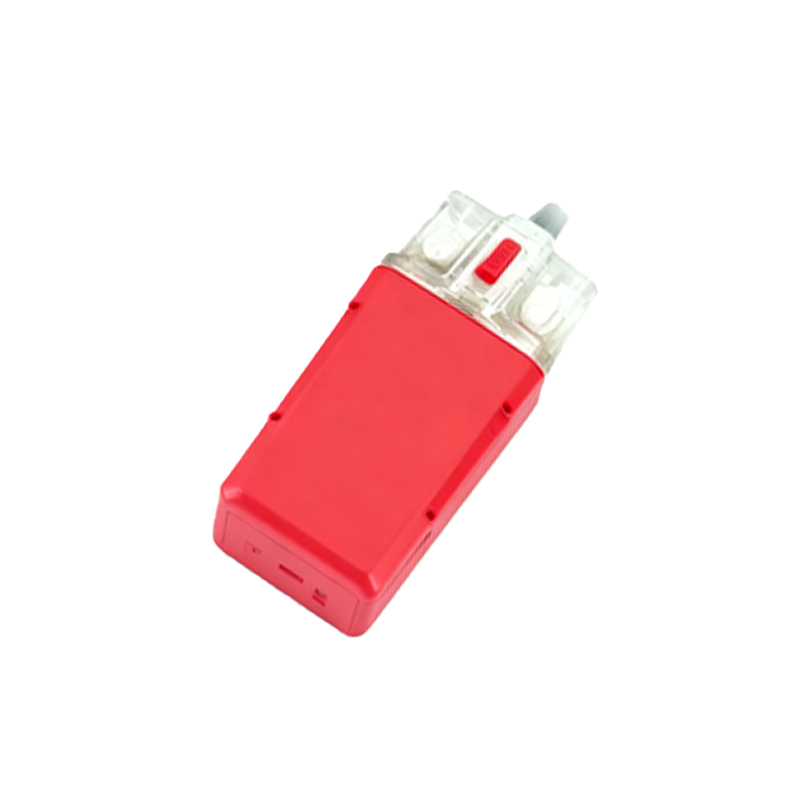
Choosing a manufacturer extends beyond product catalogs. It involves evaluating their certification portfolio, application engineering support, and global service network. A top-tier provider doesn't just sell a sensor; they offer a solution validated for a specific zone (Zone 1, Zone 21, etc.) and gas group (IIC, IIB, etc.). Their technical documentation is exhaustive, providing clear guidance on proper installation, which is as crucial as the product itself. Incorrect mounting or cable gland selection can compromise the entire explosion protection system.
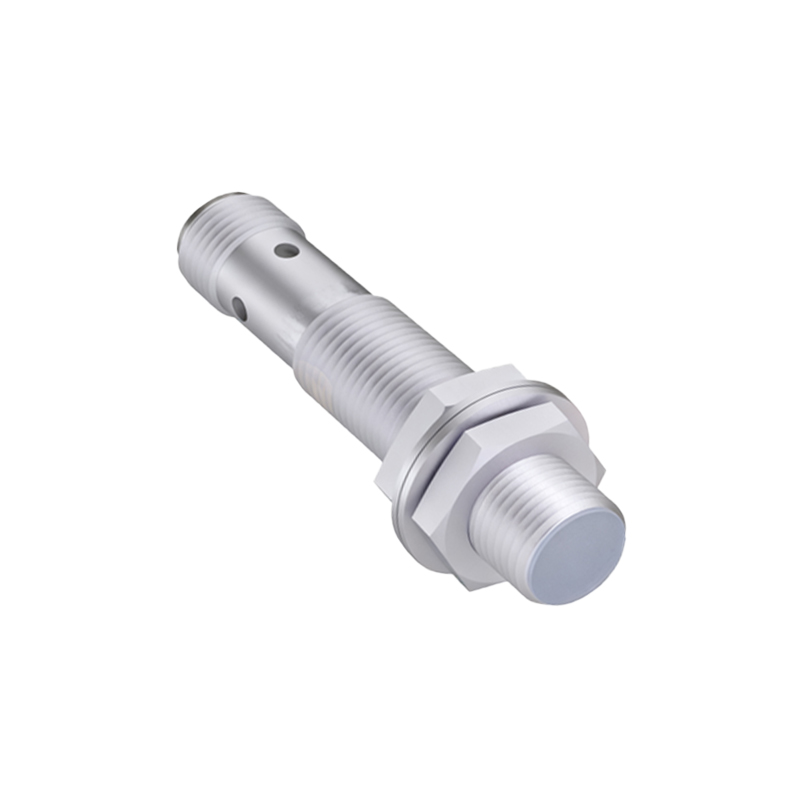
The market is driven by an increasing global emphasis on worker safety, stricter regulatory enforcement, and the industrial drive for predictive maintenance. Modern explosion-proof proximity sensors are becoming smarter, integrating into Industrial IoT frameworks to provide real-time data on machine health and process parameters. This digital transformation allows for unprecedented levels of oversight in areas where human access is restricted or dangerous.
In conclusion, manufacturers of explosion-proof proximity sensors operate at the intersection of precision engineering, materials science, and safety certification. Their products are the unsung sentinels in hazardous locations, enabling automation and efficiency without compromising on the fundamental imperative of preventing catastrophic incidents. For engineers and plant managers, partnering with a reputable, innovation-focused manufacturer is the first and most critical step in building a resilient and safe industrial operation.