In industrial environments where flammable gases, vapors, or combustible dusts are present, safety is not just a priority—it is an absolute necessity. Explosion proof proximity sensors are critical components designed to operate reliably in these hazardous areas, preventing ignition sources from triggering catastrophic events. Understanding the pricing structure of these specialized devices is crucial for project budgeting, procurement planning, and overall cost management in sectors like oil & gas, chemical processing, mining, and grain handling.
The price of an explosion proof proximity sensor is not a single figure but a spectrum influenced by a complex matrix of factors. At its core, the cost is dictated by the fundamental technology and sensing principle. Inductive sensors, used for detecting metallic objects, are generally the most cost-effective entry point. Capacitive sensors, capable of detecting both metallic and non-metallic materials, often command a higher price. Ultrasonic and photoelectric sensors, offering longer ranges or specific detection capabilities, typically reside at the premium end of the price scale.
Beyond the core technology, the specific certification and protection rating have a profound impact on cost. Sensors certified for Class I, Division 1 areas (where hazardous conditions are present under normal operation) are more expensive than those rated for Division 2 (where hazards are only present under abnormal conditions). The specific gas groups (e.g., Group I for mining, Groups IIA, IIB, IIC for gases) and temperature codes (T1 to T6) further refine the requirements and associated costs. A sensor with ATEX, IECEx, or UL certifications for global markets will carry a higher price tag than a locally certified product. The ingress protection (IP) rating, such as IP67 or IP69K for resistance to dust and high-pressure water jets, also adds to the manufacturing cost and final price.
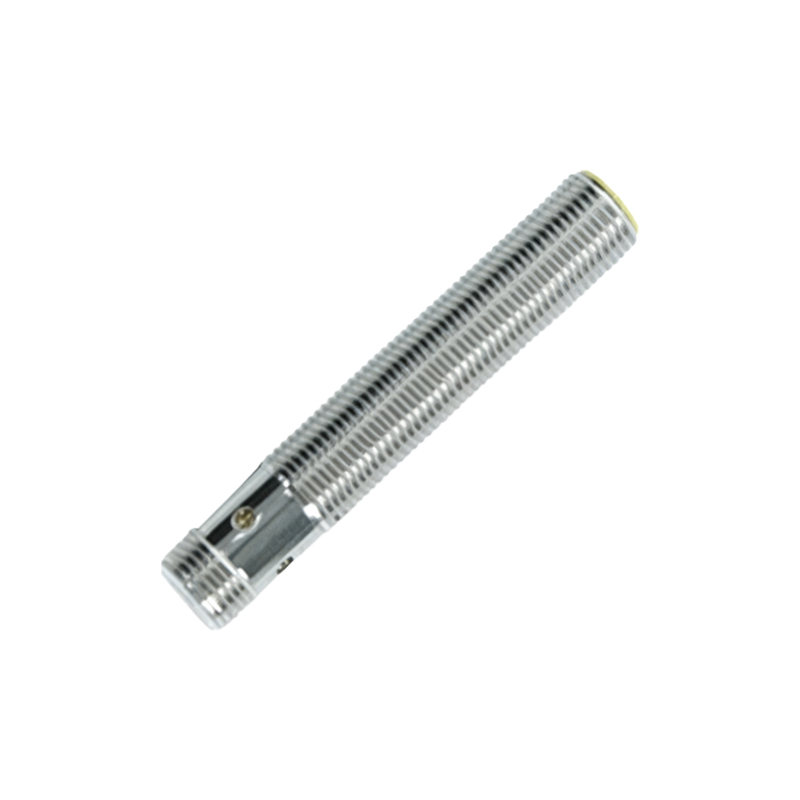
Construction materials and design robustness are significant cost drivers. Stainless steel housings (typically 316L or 304), specially designed flame paths, and ruggedized components to withstand vibration and impact are standard for explosion proof devices, contributing to a higher base cost compared to standard industrial sensors. Features like integral LED status indicators, short-circuit protection, reverse polarity protection, and programmable output modes add functionality and value, thereby increasing the price.
Market dynamics and brand positioning play a substantial role. Established global brands with long-standing reputations for reliability and safety in hazardous areas often price their products at a premium. This reflects their investment in rigorous testing, extensive certification processes, and global technical support. Mid-tier and value-oriented brands may offer more competitive pricing, but it is essential to verify that their certifications are authentic and applicable to the intended installation region. The choice between a globally recognized brand and a cost-competitive alternative often involves a risk assessment balancing initial investment against long-term operational reliability and safety liability.
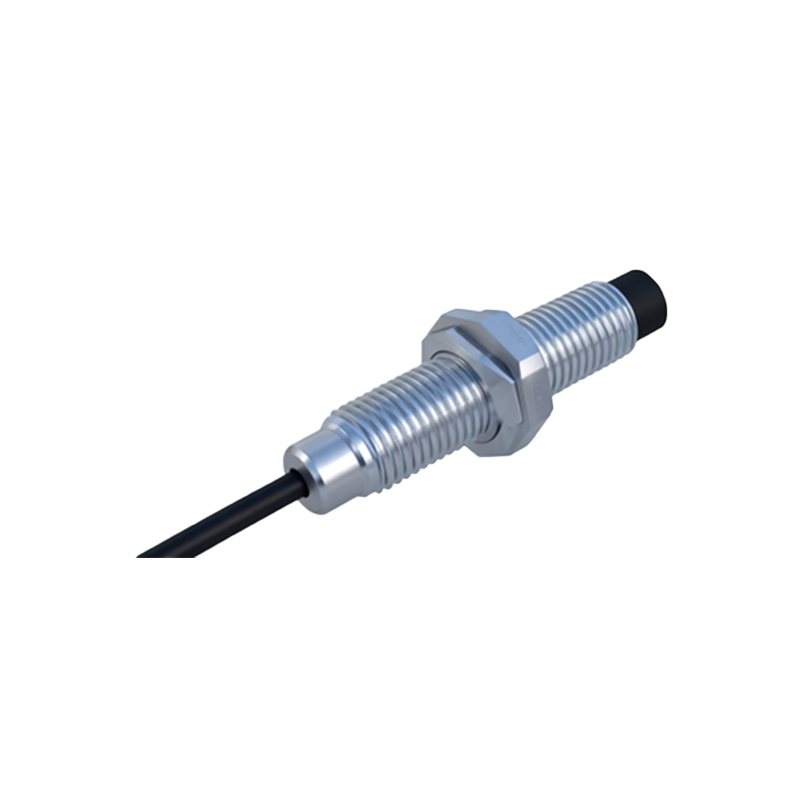
Typical price ranges, while subject to constant change, provide a useful benchmark. Basic, barrel-style inductive proximity sensors with explosion proof ratings can start from approximately $150 to $300 USD. More advanced models with specific sensing characteristics, extended sensing ranges, or special materials can range from $300 to $600 USD. Highly specialized sensors, such as long-range ultrasonic sensors or advanced photoelectric sensors with complex housings for severe duty, can easily exceed $800 to $1,500 USD per unit. It is critical to note that these are list prices for the sensor itself; accessories like mounting brackets, cable glands, and pre-fabricated cables add to the total installed cost.
For procurement professionals and engineers, obtaining an accurate quotation requires providing detailed specifications. Suppliers need to know the hazardous area classification (Class/Division/Zone, Gas Group, Temperature Class), the required sensing type and range, the electrical output (PNP/NPN, NO/NC), connection type (connector or cable), and the supply voltage. Requesting quotes from multiple authorized distributors is recommended. Consider the total cost of ownership, which includes not just the purchase price but also installation costs, maintenance needs, mean time between failures (MTBF), and the availability of replacement parts. A slightly higher initial investment in a more reliable sensor can prevent costly production downtime or safety incidents in the long run.
In conclusion, navigating the market for explosion proof proximity sensors requires a technical understanding of the product's specifications and a strategic view of procurement. The price is a direct reflection of the engineering, certification, and manufacturing rigor required to ensure safety in perilous environments. By focusing on the total application requirements and lifecycle costs, rather than the unit price alone, organizations can make informed investments that safeguard both their personnel and their operational continuity.