In the realm of industrial automation and robotics, the ability to detect the presence, absence, or position of an object without physical contact is fundamental. Among the various technologies enabling this capability, the block proximity sensor stands out for its robustness and reliability in demanding environments. Unlike more complex vision systems, these sensors offer a straightforward, cost-effective solution for a wide range of detection tasks.
At its core, a block proximity sensor is a self-contained, solid-state electronic device housed in a typically rectangular or cubic metallic or polymer enclosure—hence the "block" designation. Its primary function is to detect the presence of a target object within a specified sensing range and output a corresponding electrical signal. The absence of moving parts and physical contact with the target object makes these sensors exceptionally durable, with long operational lifespans and minimal maintenance requirements.
The working principle depends on the specific technology embedded within the block. The most common types are inductive, capacitive, and ultrasonic.
Inductive proximity sensors are the workhorses of metal detection. They generate an oscillating electromagnetic field from a coil within the sensor face. When a ferrous or non-ferrous metal object enters this field, it induces eddy currents on the metal's surface. This causes a change in the oscillation amplitude, which the sensor's circuitry detects and converts into a switching signal. These sensors are ideal for detecting machine parts, tools, or metal containers on assembly lines. Their sensing range is relatively short, typically a few millimeters to several centimeters, and they are unaffected by non-metallic materials like dust, oil, or water, making them suitable for harsh industrial settings.
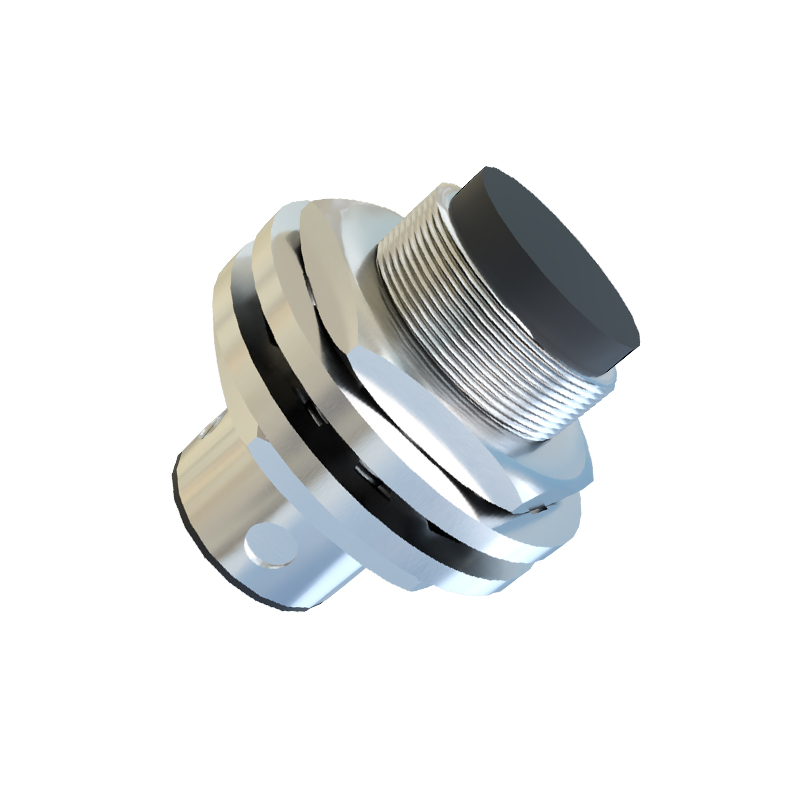
Capacitive proximity sensors, on the other hand, can detect both metallic and non-metallic materials, including liquids, plastics, wood, and granular substances. They operate by generating an electrostatic field. Any object with a dielectric constant different from air entering this field alters the sensor's capacitance. This change triggers the output switch. This makes them perfect for applications like monitoring fill levels in tanks or hoppers, detecting plastic bottles on a conveyor, or sensing the presence of wood or glass. They are sensitive to environmental factors like humidity and temperature, which must be considered during installation.
Ultrasonic block sensors use sound waves beyond the human hearing range. They emit high-frequency ultrasonic pulses and measure the time it takes for the echo to return from a target object. By calculating this time-of-flight, they can determine both the presence and the distance to the object. This technology is excellent for detecting objects of virtually any material, shape, or color, and it is effective over longer ranges than inductive or capacitive sensors. Common uses include pallet detection in warehouses, loop control in winding machines, and distance measurement.
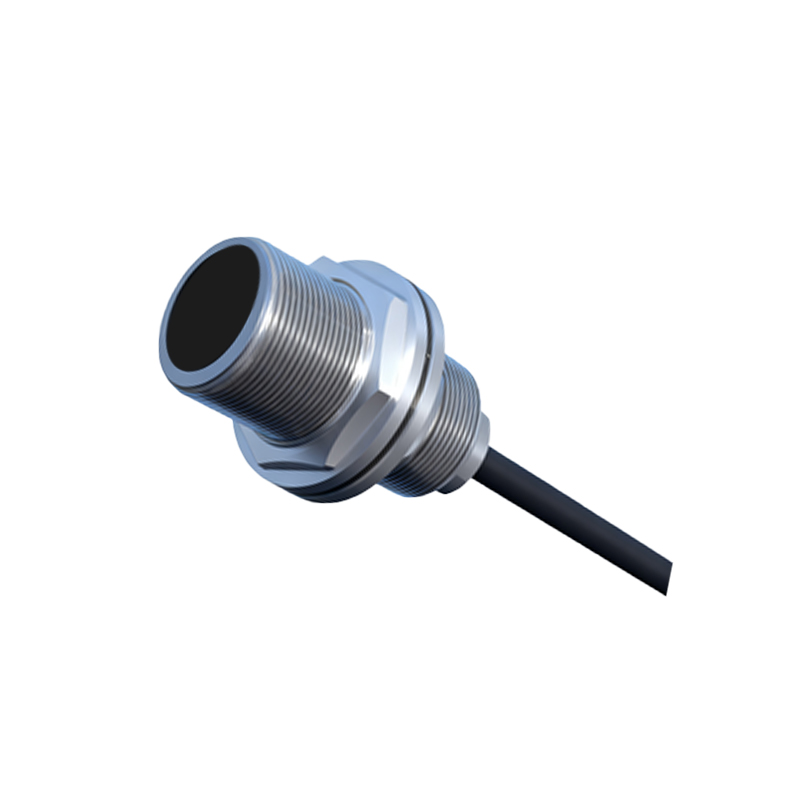
The output from these sensors is typically a discrete on/off signal, often in the form of a PNP (sourcing) or NPN (sinking) transistor, or a relay contact. This simple digital signal integrates seamlessly with Programmable Logic Controllers (PLCs), motor drives, and other control systems to trigger actions like stopping a conveyor, starting a process, or counting items.
Selecting the right block proximity sensor involves several key considerations. The material of the target object is paramount: inductive for metals, capacitive for a broader range, ultrasonic for versatility and distance. The required sensing distance, installation environment (presence of dust, coolant, temperature extremes), electrical requirements (voltage, output type), and housing material (stainless steel for washdown areas, nickel-plated brass for general industry) are all critical factors.
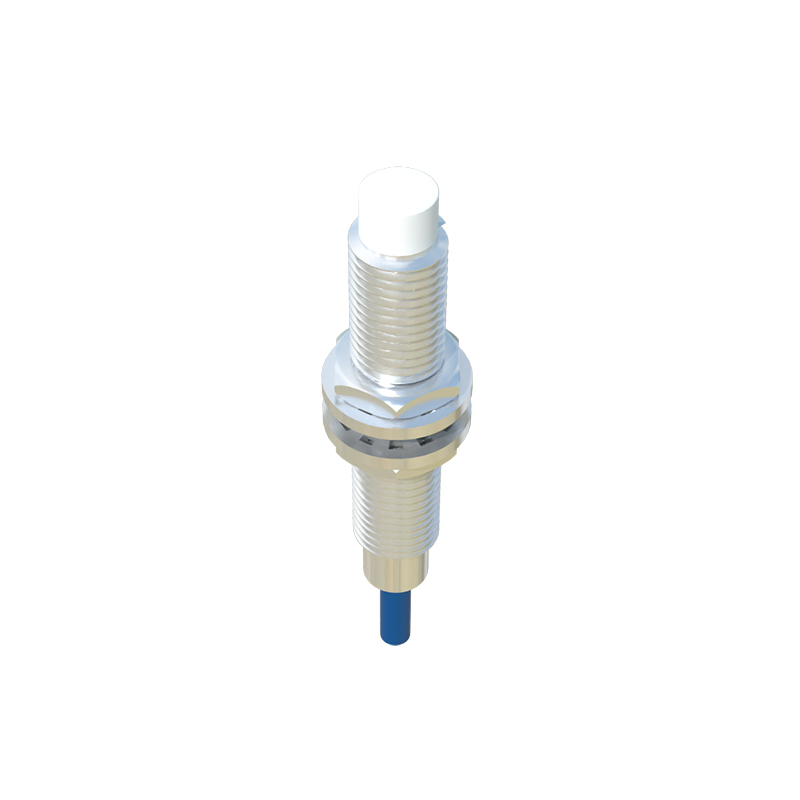
Applications are vast and span across industries. In automotive manufacturing, inductive sensors detect piston position or verify the presence of engine blocks. In packaging, capacitive sensors ensure bottles are correctly filled before capping. In material handling, ultrasonic sensors manage stack height and prevent collisions. Their simple "block" form factor allows for easy mounting in tight spaces and standardized installation, contributing to their widespread adoption.
In conclusion, the block proximity sensor is a quintessential component in modern automation. Its simplicity, reliability, and adaptability make it an indispensable tool for enhancing efficiency, safety, and precision in countless industrial processes. By understanding the distinct technologies—inductive, capacitive, and ultrasonic—engineers and technicians can effectively deploy these sensors to solve a myriad of non-contact detection challenges.