In the world of industrial automation, robotics, and smart devices, proximity sensors are the silent sentinels that enable machines to perceive their immediate environment without physical contact. These sophisticated electronic devices detect the presence or absence of an object within a predetermined range, triggering a corresponding output signal. Their ability to operate reliably in harsh conditions, provide high-speed response, and offer long service life makes them indispensable across countless sectors. This guide delves into the core principles, various types, practical applications, and key factors for selecting the right proximity sensor for your needs.
At its heart, a proximity sensor works by emitting a field or beam of electromagnetic radiation, such as infrared light, an ultrasonic sound wave, or an electromagnetic field. The sensor then monitors for changes in the return signal or the field itself. When a target object enters this field, it causes a detectable alteration—be it a reflection of light, a disruption in capacitance, or a change in inductance. This change is processed by the sensor's circuitry to produce a discrete on/off signal or, in some advanced models, an analog output proportional to distance.
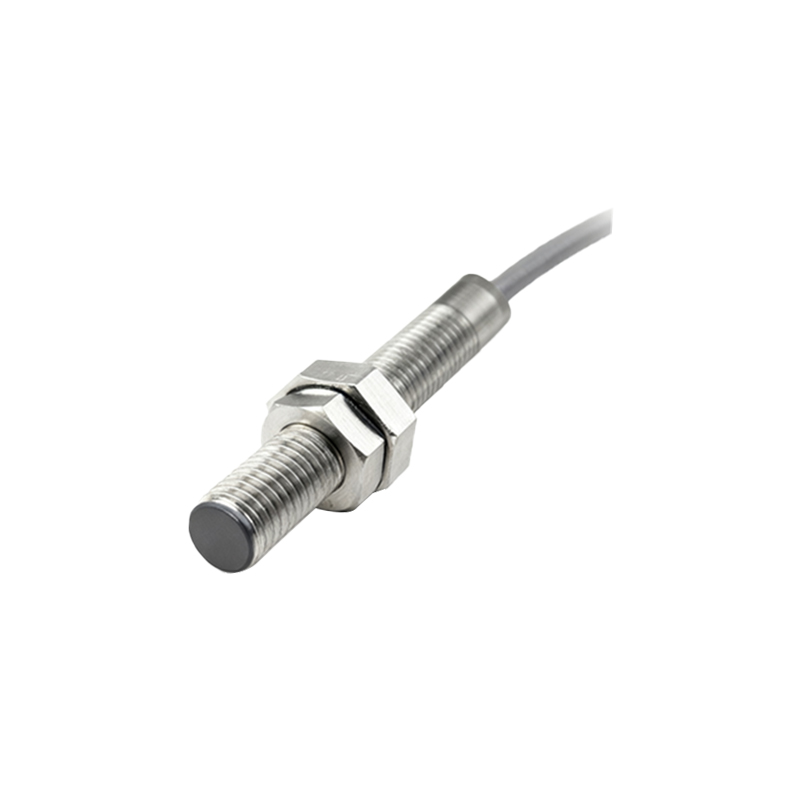
The landscape of proximity sensors is defined by several distinct technologies, each with unique advantages and ideal use cases. Inductive proximity sensors are among the most common. They generate an oscillating electromagnetic field and detect the eddy current losses caused when a metallic object enters this field. Renowned for their robustness, they are perfectly suited for detecting metals in manufacturing environments, such as in machine tools or automated assembly lines, and are unaffected by dust, oil, or dirt.
Capacitive proximity sensors, on the other hand, can detect both metallic and non-metallic materials, including liquids, plastics, wood, and granules. They function by measuring changes in capacitance between the sensor and the target object. This makes them invaluable in industries like food and beverage, chemical processing, and packaging, where they can monitor material levels through container walls or detect the presence of non-metallic products.
For longer-range detection and applications involving non-metallic objects, photoelectric sensors are the go-to choice. These sensors use a light transmitter (often infrared or laser) and a receiver. They come in three main configurations: through-beam (where the transmitter and receiver are separate units), retro-reflective (using a reflector), and diffuse (or proximity) mode, where the sensor detects light reflected directly from the target. They excel in object counting, positioning, and detecting small or transparent items on conveyor belts.
Ultrasonic sensors measure distance by emitting high-frequency sound waves and calculating the time for the echo to return. They are highly effective for detecting objects of virtually any material, shape, or color, and are commonly used for level measurement in tanks, distance monitoring, and presence detection in challenging environments with smoke or dust.
The applications of proximity sensors are vast and growing. In the automotive industry, they are crucial for robotic welding, part positioning, and safety interlocks. In consumer electronics, they deactivate smartphone touchscreens when held to the ear. They ensure safety by monitoring guard door positions on machinery, optimize logistics by controlling warehouse automation, and enable precision in medical devices. The advent of the Industrial Internet of Things (IIoT) has further expanded their role, with smart sensors providing diagnostic data and integrating seamlessly into networked control systems.
Selecting the appropriate proximity sensor requires careful consideration of several parameters. First, define the target material (metal, plastic, liquid), as this dictates the sensor technology (inductive, capacitive, etc.). The required sensing range, or the maximum distance at which the object can be reliably detected, is critical. Environmental factors are paramount; consider exposure to temperature extremes, moisture, chemicals, or washdowns, which will determine the needed ingress protection (IP) rating and housing material (e.g., stainless steel, PBT plastic). The electrical output type (NPN/PNP, NO/NC) must be compatible with the control system (PLC). Finally, factors like switching frequency (response speed), size constraints, and mounting style (flush or non-flush for inductive sensors) complete the selection matrix.
In conclusion, proximity sensors are fundamental components that bridge the physical and digital worlds in automated systems. Understanding the principles behind inductive, capacitive, photoelectric, and ultrasonic technologies is the first step toward leveraging their capabilities. By meticulously evaluating application requirements against sensor specifications, engineers and technicians can implement reliable, efficient, and innovative solutions that drive productivity and enable advanced functionality across modern industry and technology.