Proximity sensors are ubiquitous in modern automation, manufacturing, and consumer electronics, silently performing critical detection tasks without physical contact. Their operation hinges on a sophisticated interplay of several core components. Understanding these parts is essential for selecting the right sensor, troubleshooting issues, and appreciating the technology's elegance.
At the heart of most proximity sensors lies the Oscillator Circuit. This component generates a high-frequency electromagnetic field or ultrasonic wave that radiates from the sensor's face. In inductive sensors, this field is generated by a coil. In capacitive sensors, it's created between electrodes. The oscillator's stability and frequency are paramount, as they determine the sensor's sensitivity, response speed, and immunity to electrical noise. A stable oscillator ensures consistent detection performance.
The Detection Coil or Electrode is the active sensing element. In an inductive proximity sensor, the coil is part of the oscillator circuit. When a metallic object enters the oscillating electromagnetic field, eddy currents are induced in the target. This action absorbs energy from the oscillator, causing its amplitude to decrease. Capacitive sensors use conductive or dielectric sensing electrodes. The presence of any material (metal, plastic, liquid) alters the capacitance between the electrode and ground, which in turn affects the oscillator circuit. The design and shielding of this element directly influence the sensing range and material specificity.
Crucially, the sensor must interpret the change caused by the target. This is the job of the Trigger Circuit or Demodulator. This component monitors the signal from the oscillator—typically its amplitude or frequency shift. It filters out noise and determines the precise point at which the change is significant enough to indicate a valid target presence. It acts as a threshold detector, converting the analog change in the oscillator's behavior into a clean, digital switching signal. The precision of this circuit defines the sensor's repeatability and hysteresis.
Once a target is confirmed, the Output Stage takes action. This component physically interfaces with the control system. For solid-state outputs, it typically consists of a transistor (PNP or NPN for DC sensors) or a Triac (for AC sensors). The output stage switches the load (e.g., a PLC input, relay, or lamp) on or off based on the signal from the trigger circuit. Key characteristics here include the switching capacity (current and voltage), switching speed, and protection features like short-circuit and overload protection.
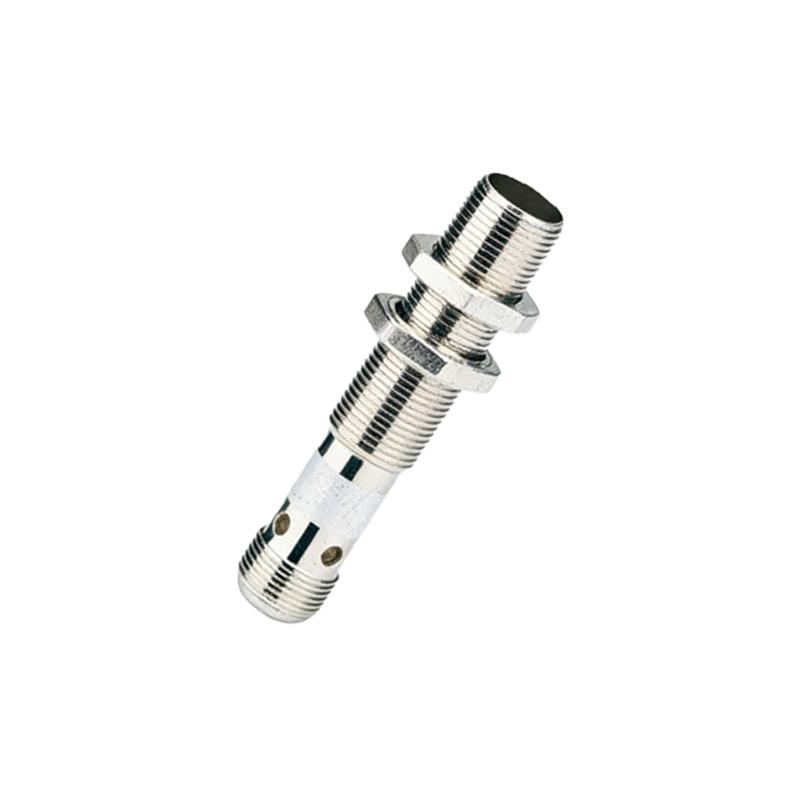
No sensor can function reliably without a robust Housing. This component provides critical mechanical and environmental protection. It shields the delicate internal electronics from physical impact, dust, chips, and coolant in industrial settings. For inductive and capacitive sensors, the housing also shapes and contains the sensing field. Materials like nickel-plated brass, stainless steel, or PBT plastic are common. The housing's design also incorporates the connection method, such as a threaded barrel, block-style body, or integrated cable.
Finally, the Connection Interface is the gateway for power and signal. This can be a pre-attached cable, a quick-disconnect connector, or terminal pins. It delivers the required operating voltage (e.g., 10-30V DC or 90-250V AC) to the internal circuits and carries the switched output signal back to the controller. Proper sealing at this junction, often rated via IP (Ingress Protection) codes, is vital to prevent failure from moisture or contaminant ingress.
In summary, the seamless operation of a proximity sensor is a symphony conducted by its internal components. From generating a sensing field with the oscillator and detection coil, to intelligently recognizing a target with the trigger circuit, to executing a command via the output stage, each part plays a defined role. All are safeguarded by the housing and connected via a reliable interface. This modular yet integrated design is what makes proximity sensors so versatile and dependable across countless applications, from assembly lines and robotic arms to touchscreens and smartphones.