In the world of industrial automation, electronics, and machinery, terms like "proximity switch" and "sensor" are frequently used, often leading to confusion. A common question arises: Is a proximity switch a sensor? The short answer is yes, but with important nuances. To fully understand this, we must delve into the definitions, functions, and classifications of these critical components.
At its core, a sensor is a device that detects or measures a physical property and records, indicates, or otherwise responds to it. Sensors convert a physical phenomenon—such as temperature, pressure, light, or presence—into an electrical signal that can be read by an instrument or a controller. They are the "senses" of a machine or system, providing crucial data for monitoring, control, and decision-making.
A proximity switch, specifically, is a type of sensor. Its primary function is to detect the presence or absence of an object within a certain range without any physical contact. Hence, it is a non-contact sensing device. The term "switch" in its name refers to its output function. When the proximity switch detects a target object, it changes its output state—typically by opening or closing an electrical circuit. This output acts as a discrete (on/off) signal to a Programmable Logic Controller (PLC), relay, or other control unit, signaling that an object is "present" or "not present."
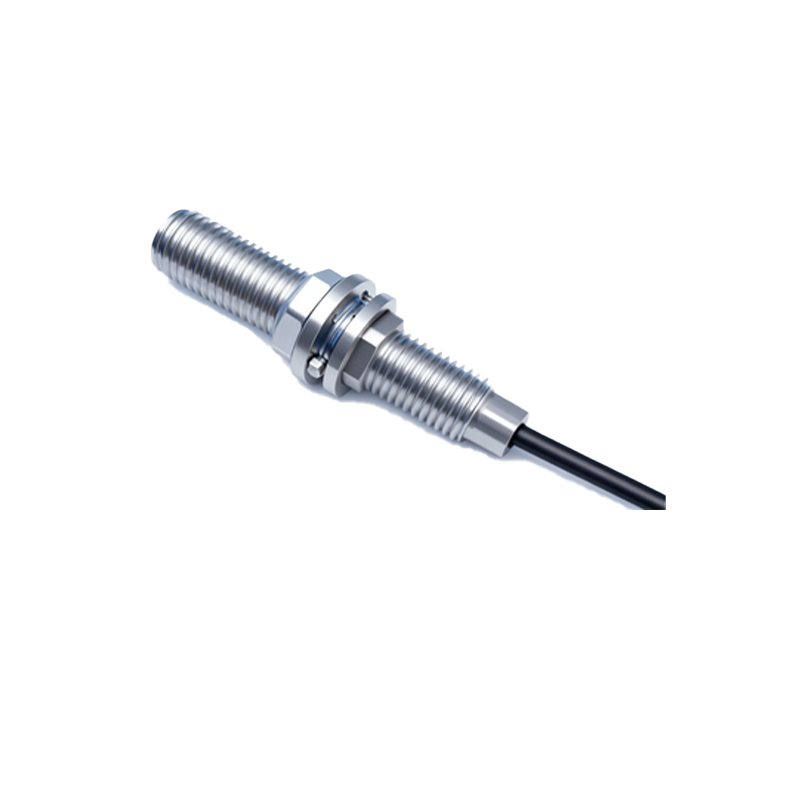
Therefore, all proximity switches are sensors, but not all sensors are proximity switches. This is a key distinction. Sensors encompass a vast category. For instance, an analog temperature sensor provides a continuous range of voltage corresponding to temperature, while a proximity switch provides a simple binary (on/off) output based on presence detection.
Proximity switches themselves come in various types based on their detection principle, each suited for different materials and environments. The most common types include:
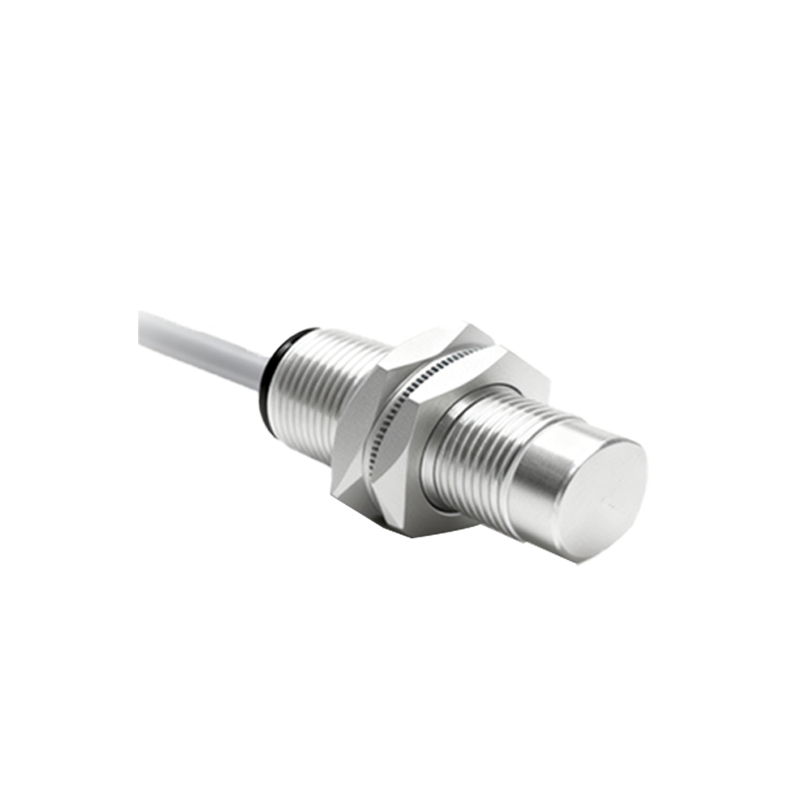
1. Inductive Proximity Switches: These detect metallic objects (like steel, aluminum, copper) by generating an electromagnetic field. When a metal object enters this field, it induces eddy currents, causing a change that triggers the switch. They are ideal for harsh industrial environments.
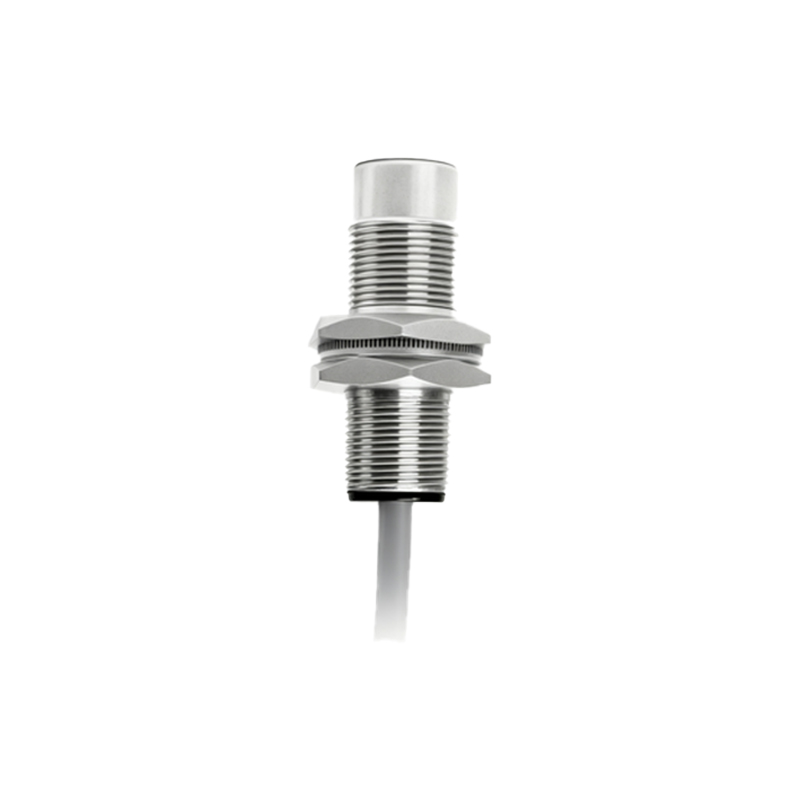
2. Capacitive Proximity Switches: These can detect both metallic and non-metallic objects (plastic, wood, liquid, granules) by sensing changes in capacitance. They work by generating an electrostatic field. The presence of any material with a different dielectric constant than air alters this field, activating the switch.
3. Photoelectric Sensors (Proximity Mode): Often called photoelectric switches, these use a light beam (visible, infrared, or laser) to detect objects. The presence of an object interrupts or reflects the beam, triggering the output. They are excellent for long-range detection and can sense virtually any material.
4. Ultrasonic Proximity Switches: These emit high-frequency sound waves and detect their echo. The time taken for the echo to return indicates the presence and distance of an object. They are effective for detecting sound-reflective materials, including liquids and transparent objects, and are less affected by color or dust.
The output of a standard proximity switch is digital. It is designed to be a "switch" in the electrical control circuit. This is different from many other sensors that provide analog signals (e.g., 4-20 mA, 0-10V) representing a continuous measurement, like how far an object is or its exact temperature.
In practical applications, the line can sometimes blur. Many modern devices integrate sensing and switching functions seamlessly. For example, an ultrasonic sensor can provide both an analog distance value and a programmable switch output at a set threshold. However, when marketed as a "proximity switch," the emphasis is typically on its primary role as a presence detector with a discrete switching output.
Why is this distinction important? For engineers, technicians, and procurement specialists, using the correct terminology ensures the selection of the right component for the job. If you need to know if a bottle cap is present on a conveyor line, a simple inductive proximity switch is perfect. If you need to measure the exact fill level of a liquid in a tank, you would require an analog capacitive or ultrasonic sensor, not just a proximity switch.
In summary, a proximity switch is unequivocally a sensor—a specialized subclass of sensors dedicated to non-contact presence detection with a discrete electrical output. It performs a sensing function to gather information (object presence) and immediately translates that into a control action (switching). Understanding this relationship clarifies product catalogs, improves technical communication, and leads to more effective design and maintenance of automated systems. The next time you specify a component, remember: you are choosing a sensor when you select a proximity switch, but you are choosing a specific tool designed for a specific, vital task