In the realm of industrial automation and precision engineering, the integration of proximity sensor rails represents a significant leap forward. These systems, which combine the physical guidance of linear rails with the non-contact detection capabilities of proximity sensors, are fundamental to creating smarter, safer, and more efficient machinery. Unlike traditional mechanical limit switches, proximity sensors mounted on rails offer a seamless, wear-free method of position detection, object presence verification, and end-of-travel monitoring.
The core principle behind a proximity sensor rail system is elegantly straightforward. A linear rail or track provides a stable, guided path for a moving component, such as a robotic carriage, gantry, or sliding door. Along this rail, one or more non-contact proximity sensors are strategically installed. These sensors, which can be inductive, capacitive, or photoelectric, detect the presence of a target—often a metal flag or actuator mounted on the moving part—without any physical contact. When the target passes within the sensor's detection range, it triggers an electrical signal. This signal is instantly relayed to the machine's control system, such as a PLC (Programmable Logic Controller), which then executes a pre-programmed action. This could involve stopping motion, changing direction, initiating a process, or logging positional data.
The advantages of deploying proximity sensor rails are multifaceted. Firstly, they offer exceptional reliability and longevity. The absence of physical contact between the sensor and the target eliminates mechanical wear, tear, and bouncing associated with mechanical switches. This results in a dramatically longer operational life and reduced maintenance downtime. Secondly, they provide high repeatability and precision. Modern proximity sensors can detect targets with sub-millimeter accuracy, allowing for extremely precise positioning critical in applications like CNC machining, semiconductor manufacturing, and automated assembly lines. This precision is consistent over millions of cycles.
Thirdly, these systems enhance operational safety. By providing real-time, fail-safe feedback on the position of moving parts, they are integral to safety interlocks. For instance, they can ensure a protective guard is fully closed before a machine cycle begins or prevent a robotic arm from entering a restricted zone. Furthermore, their sealed designs often allow them to perform reliably in harsh environments contaminated with dust, oil, coolant, or vibrations, where optical or mechanical systems might fail.
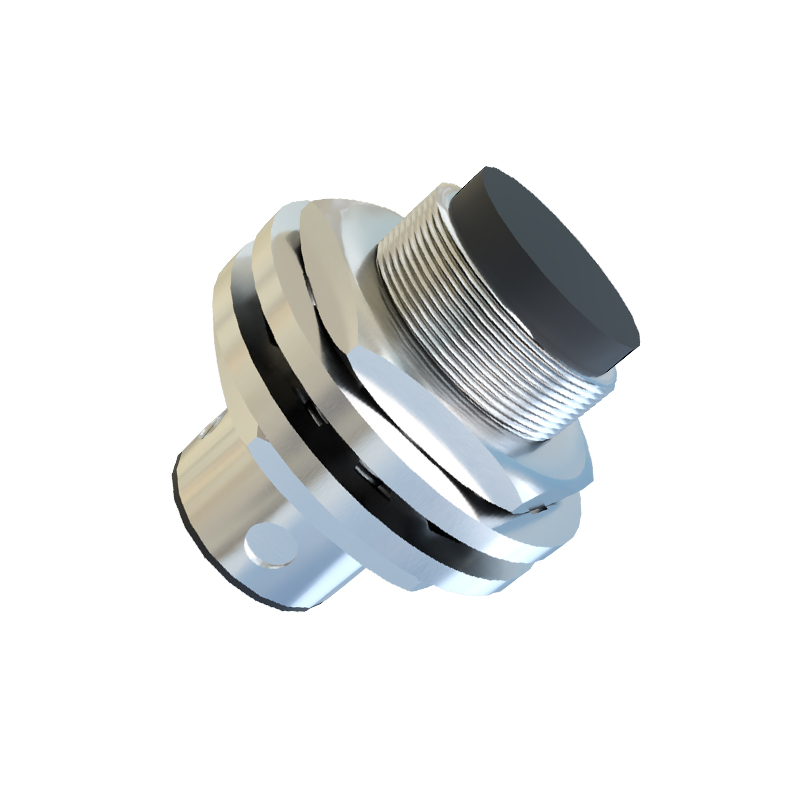
Typical applications are vast and varied. In automated warehousing and logistics, sensor rails guide and confirm the position of retrieval units along high-bay aisles. In packaging machinery, they control the precise stop-and-go motion of sealing jaws or filling heads. Within the automotive industry, they are ubiquitous on welding robots and painting lines, ensuring each arm moves to its exact programmed coordinate. Elevator systems utilize them for floor-leveling accuracy and door control. Even in more everyday settings, automatic sliding doors use simple versions of this technology for smooth and safe operation.
When designing or specifying a proximity sensor rail system, several key factors must be considered. The choice of sensor type is paramount. Inductive sensors are ideal for detecting metallic targets and are highly robust. Capacitive sensors can detect non-metallic materials like plastic, wood, or liquids. Photoelectric sensors offer the longest detection ranges but may be sensitive to environmental contaminants. The mounting configuration, whether the sensor is embedded in the rail or externally bracketed, impacts the system's profile and protection rating. The electrical interface, such as PNP/NPN output or IO-Link capability for advanced diagnostics, must be compatible with the host controller. Finally, environmental factors like temperature extremes, washdown requirements, or exposure to chemicals dictate the necessary ingress protection (IP) rating.
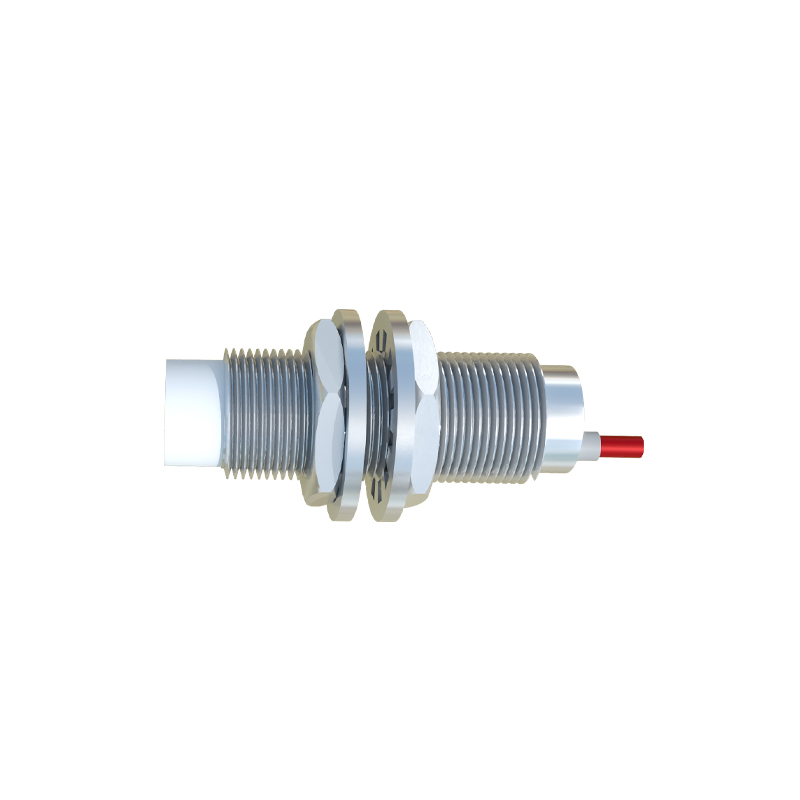
Installation and maintenance are notably simplified. Once the rail is mechanically aligned and secured, sensors can be slid and locked into position along pre-drilled holes or T-slots, allowing for easy adjustment and repositioning without tools in many modular systems. Regular maintenance typically involves only checking for physical damage, ensuring clean sensor faces, and verifying electrical connections.
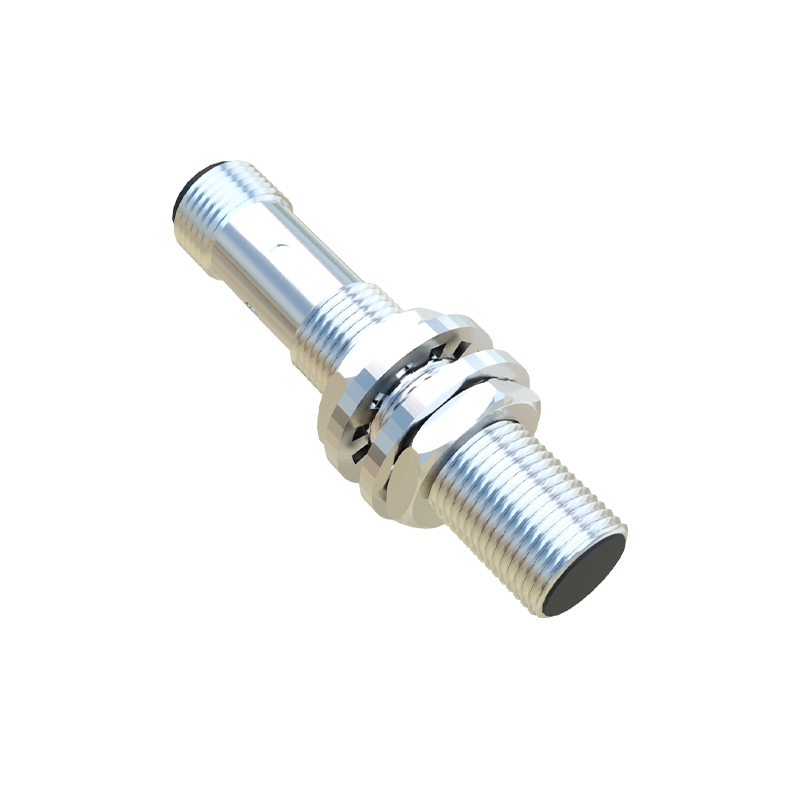
Looking ahead, the evolution of proximity sensor rails is intertwined with Industry 4.0 trends. The integration of sensors with IO-Link communication transforms them into intelligent data points. They can not only signal "on/off" but also transmit parameters like detection distance, temperature, or their own health status to higher-level systems for predictive maintenance and process optimization. This digital thread enables a new level of system transparency and adaptability.
In conclusion, proximity sensor rails are far more than just a combination of two components. They are a sophisticated enabling technology that forms the sensory backbone of modern automated systems. By delivering contactless, precise, and reliable positional feedback, they directly contribute to increased productivity, enhanced product quality, and most importantly, a safer working environment. As automation demands grow more complex, the role of these intelligent guidance and detection systems will only become more central, driving innovation across countless industries.