In the realm of industrial automation and machinery control, the reversible sensor proximity switch stands out as a critical component for enhancing operational safety, precision, and efficiency. Unlike standard proximity sensors, this specialized device offers bidirectional detection capabilities, making it indispensable in complex motion control systems.
A reversible sensor proximity switch is a non-contact sensing device that detects the presence or absence of a target object and can distinguish the direction of its movement—approaching or receding. This functionality is achieved through sophisticated internal circuitry and often dual sensing elements configured to interpret signals based on the sequence or phase of detection. Common technologies employed include inductive, capacitive, and photoelectric principles, with inductive types being prevalent for metal detection in industrial settings.
The core mechanism involves generating an electromagnetic field or beam. When a target enters this field, it causes a disturbance that is registered by the sensor. The "reversible" aspect comes into play by analyzing how this disturbance changes over time. For instance, one internal channel might activate as an object approaches a specific point, and a second channel activates as it passes that point, allowing the control system to deduce the direction of travel. This data is then converted into a clear electrical signal, typically a switching output, which is fed into a Programmable Logic Controller (PLC) or other control unit.
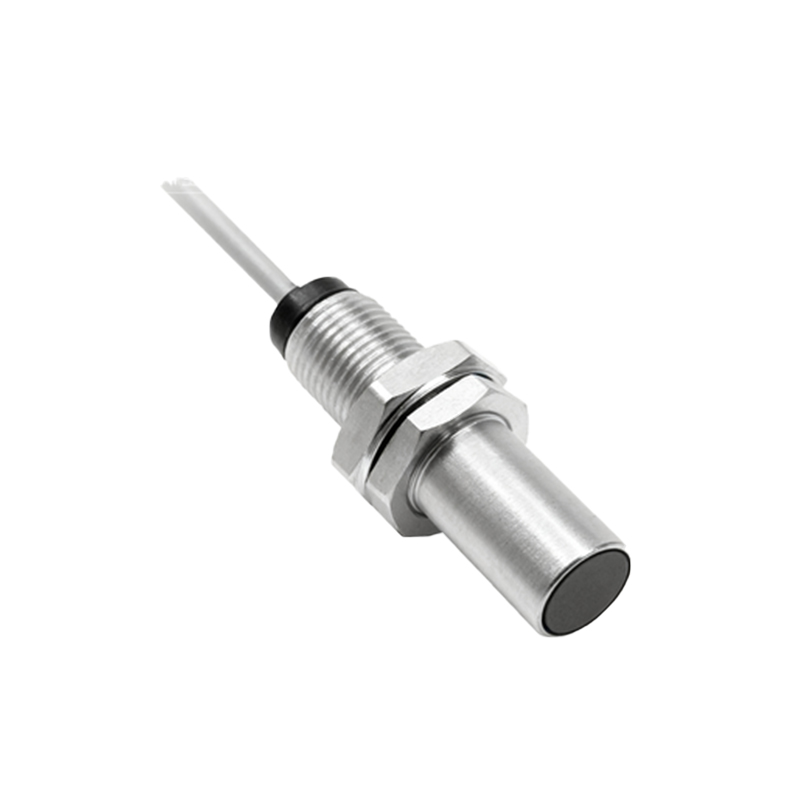
The applications for reversible proximity switches are vast and varied. They are fundamental in automated guided vehicle (AGV) systems for navigation and collision avoidance, ensuring the vehicle correctly interprets its path and obstacles. In material handling, such as on conveyor lines, they monitor the direction of package flow, preventing jams and enabling sorting logic. Rotary systems, like winding machines or turntables, use them to control the direction of rotation, providing essential feedback for positioning and preventing over-travel. They also play a vital role in safety interlocks on doors and guards, where knowing whether a gate is opening or closing is crucial for machine start/stop protocols.
The advantages of implementing these sensors are significant. The primary benefit is enhanced operational safety. By accurately detecting direction, machinery can be programmed to initiate safety stops or specific sequences only when necessary, reducing hazardous conditions. Secondly, they improve process precision and reliability. Directional feedback allows for more accurate counting, positioning, and sequencing, leading to higher product quality and reduced waste. Their non-contact nature ensures long service life and minimal maintenance, as there is no physical wear from mechanical actuation. Furthermore, they contribute to system simplification by replacing multiple standard sensors or complex mechanical assemblies with a single, intelligent unit.
When selecting a reversible sensor proximity switch for an application, several key specifications must be considered. Sensing range, which varies by technology and target material, is paramount. The type of output required—PNP (sourcing), NPN (sinking), analog, or a dedicated two-channel digital signal—must be compatible with the control system. Environmental factors like temperature extremes, presence of oils/coolants, and potential for washdowns dictate the required ingress protection (IP) rating. The switching frequency defines how quickly the sensor can respond to moving targets, a critical factor in high-speed automation. Finally, the physical housing style (barrel, rectangular, etc.) must suit the mounting constraints.
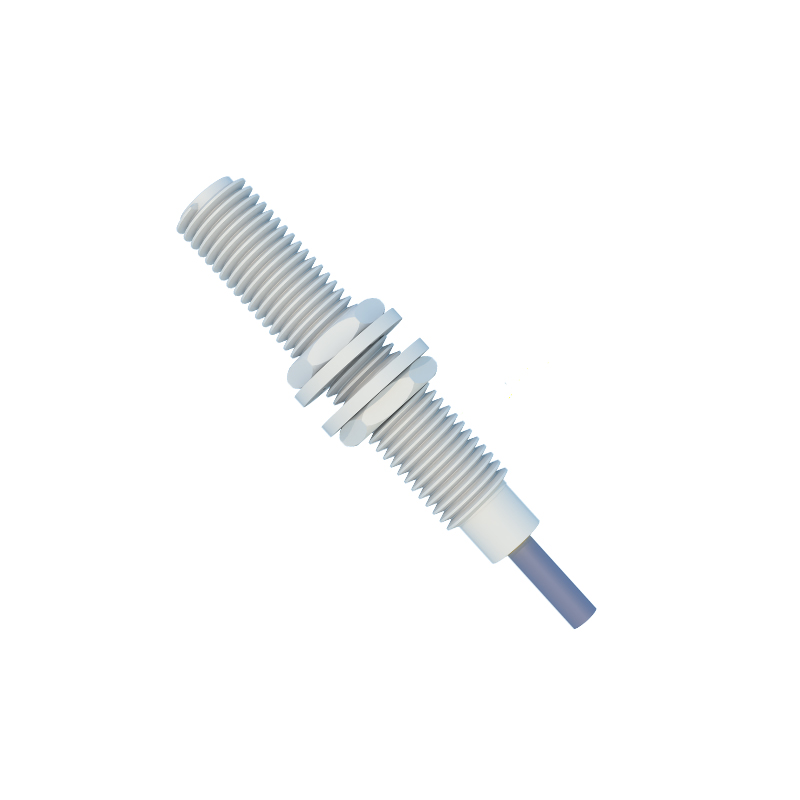
Installation and alignment are critical for optimal performance. The sensor must be securely mounted to prevent vibration-induced errors. Precise alignment relative to the target's path of travel is necessary to ensure both detection channels are triggered correctly. Following the manufacturer's guidelines for wiring, shielding against electrical noise in industrial environments, and setting any sensitivity adjustments is essential for reliable operation. Regular testing as part of preventive maintenance verifies that both directional signals are being generated correctly.
In conclusion, the reversible sensor proximity switch is a sophisticated yet robust solution for modern automation challenges requiring directional awareness. Its ability to provide reliable, non-contact feedback on object movement direction makes it a cornerstone for building safer, smarter, and more efficient automated systems. As industries continue to advance towards Industry 4.0 and the Industrial Internet of Things (IIoT), the integration of such intelligent sensors will only become more prevalent, providing the essential data needed for interconnected and responsive manufacturing ecosystems.