In modern industrial automation, proximity sensors serve as the eyes of machinery, detecting the presence or absence of objects without physical contact. Their accuracy is not merely a technical specification but a critical determinant of system reliability, product quality, and operational efficiency. Accuracy in this context refers to the sensor's ability to consistently and correctly detect a target at its specified sensing distance under defined operating conditions. It encompasses repeatability, hysteresis, temperature stability, and immunity to environmental interference.
Several core factors directly influence the precision of a proximity switch. First, the sensing technology itself dictates fundamental performance limits. Inductive sensors excel with metallic targets, offering high repeatability, typically within 1-3% of the sensing distance. Their accuracy can be affected by the target's material composition, size, and shape. For instance, different grades of steel or aluminum yield slightly different switching points. Capacitive sensors, used for non-metallic materials, are more susceptible to environmental changes in humidity or material density, which can shift the detection threshold. Ultrasonic sensors provide good accuracy for distance measurement but can be influenced by air temperature, pressure, and the target's surface texture.
Environmental conditions pose a significant challenge to maintaining stated accuracy. Temperature fluctuations are a primary concern. Most quality sensors incorporate temperature compensation circuits to minimize drift, but extreme ranges can still cause deviations. Electrical noise from motors, variable frequency drives, or welding equipment can induce false triggering or signal instability, effectively degrading accuracy. Physical factors like vibration can momentarily alter the relative position of the sensor and target, while contaminants such as oil, dust, or metal shavings can accumulate on the face of optical or ultrasonic sensors, attenuating the signal.
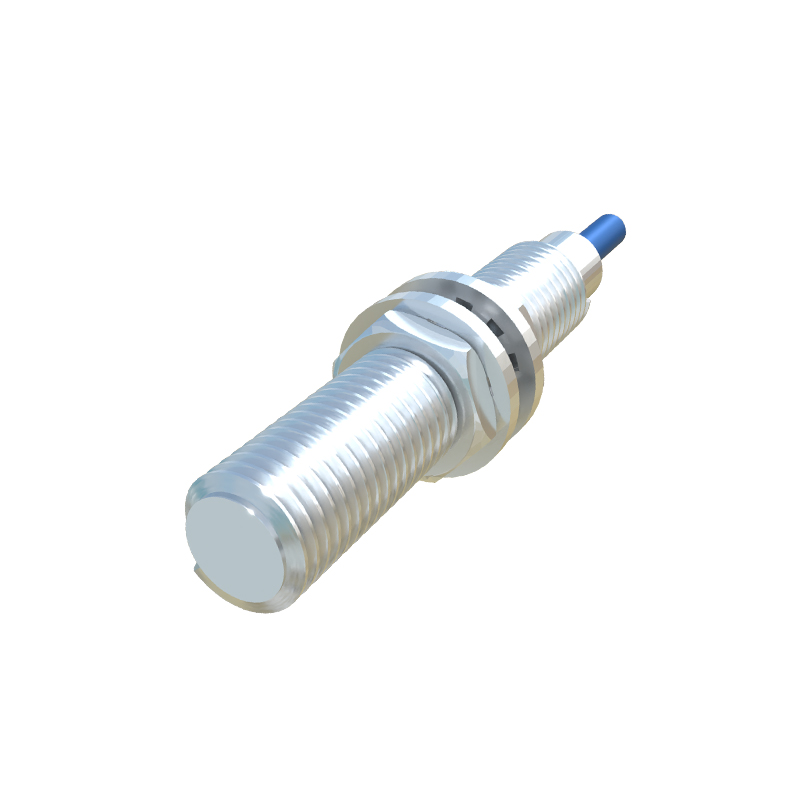
The installation and setup process is where theoretical accuracy meets practical reality. Proper mounting is paramount. Sensors must be securely fixed to prevent movement. The alignment relative to the target must be precise, especially for cylindrical or ring-style inductive sensors. Maintaining the recommended gap between the sensor face and the target is crucial; operating too close or too far can push the sensor into non-linear regions of its response curve. For applications requiring extreme precision, teach-in or calibration procedures should be performed under actual operating conditions to account for unique target properties and environmental factors.
Understanding sensor specifications is key to selecting the right device for an accuracy-critical application. Data sheets list key parameters: Repeatability defines the consistency of the switch point under unchanged conditions. Hysteresis is the difference between the switch-on point as the target approaches and the switch-off point as it recedes; it prevents chatter but adds a dead band. Temperature drift specifies how much the sensing distance changes over a given temperature range. Response time, while not accuracy per se, affects the system's ability to detect fast-moving or closely spaced objects accurately.
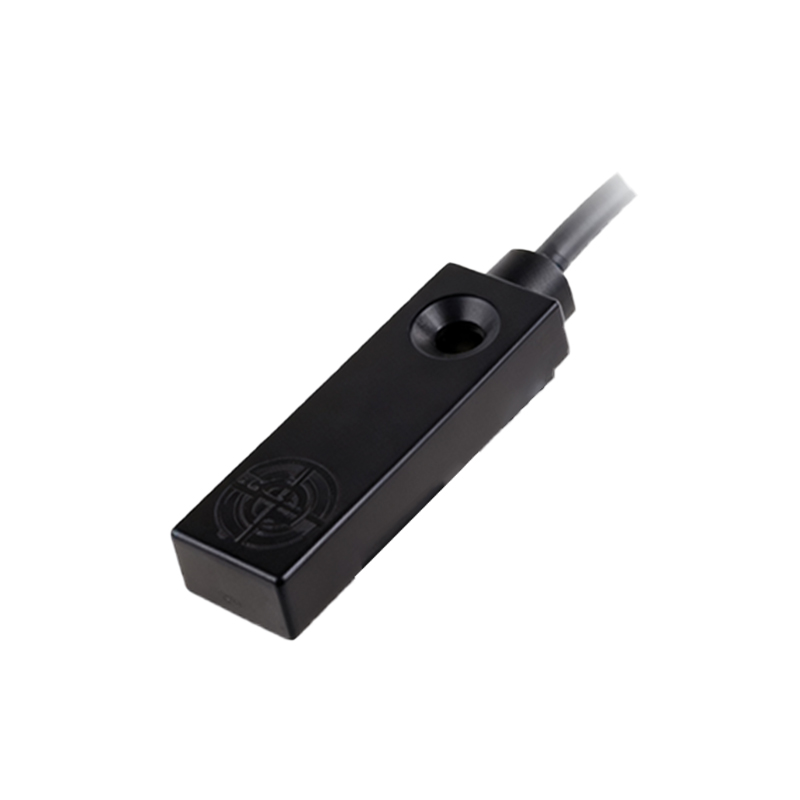
To maximize and maintain proximity sensor accuracy, a systematic approach is necessary. Begin by selecting a sensor with a technology and sensing range appropriate for the target and environment, choosing a model with a higher IP rating for harsh conditions. During installation, follow manufacturer guidelines meticulously for mounting, spacing, and wiring. Use shielded cables and proper grounding to mitigate electrical noise. Implement regular maintenance schedules to clean sensor faces and check for mechanical looseness. For the most demanding applications, consider sensors with advanced features like analog outputs for precise position feedback, IO-Link communication for digital parameter setting and diagnostics, or models specifically designed for high-precision tasks like small part detection or edge guiding.
Ultimately, the stated accuracy of a proximity sensor is a benchmark achieved under ideal laboratory conditions. The real-world accuracy experienced on the factory floor is the result of a careful marriage between the right sensor technology, thoughtful application engineering, and proactive maintenance. By acknowledging and managing the variables that influence performance, engineers can ensure these vital components deliver the reliable, precise detection that automated systems depend on for seamless and productive operation.