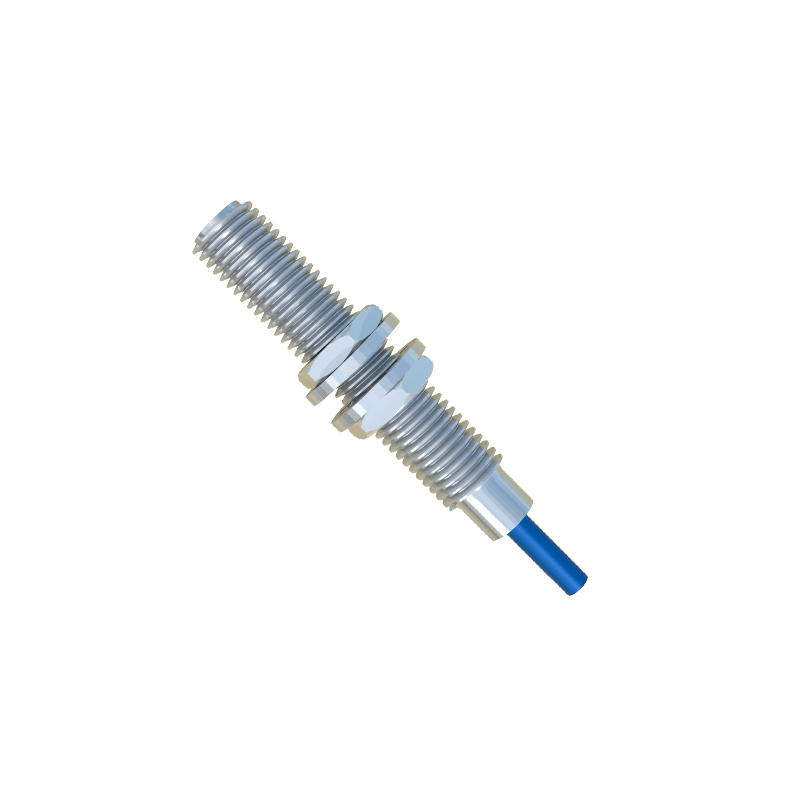
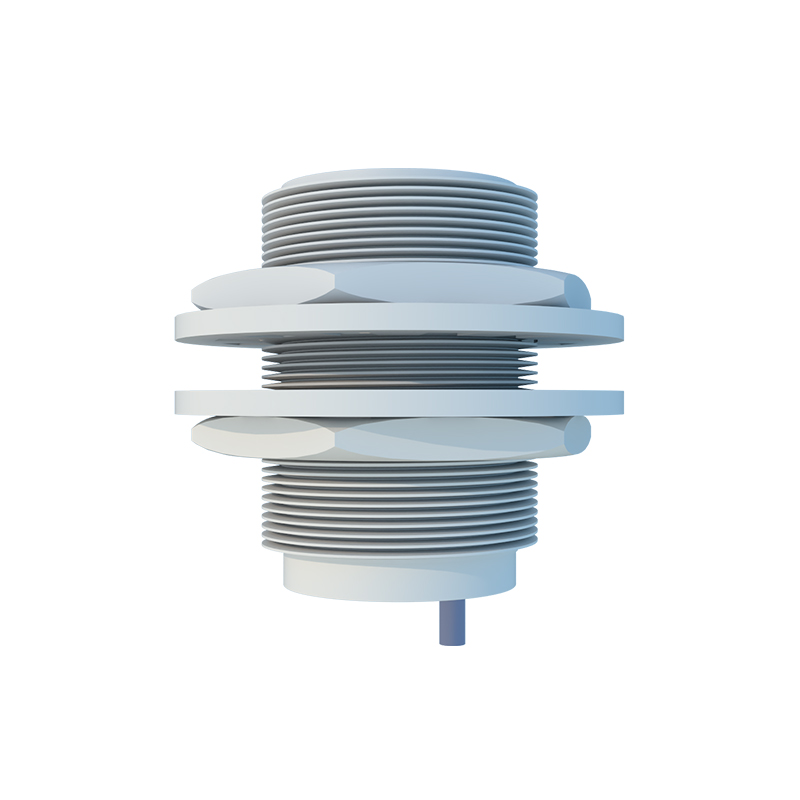
In today's rapidly evolving technological landscape, proximity sensors have become indispensable components across a vast array of industries. From enabling the sleek, bezel-less displays on modern smartphones to ensuring the safe and efficient operation of industrial robots and automotive safety systems, these devices silently and reliably detect the presence or absence of nearby objects without physical contact. The global market for proximity sensors is driven by relentless innovation and demand from sectors like consumer electronics, automotive, manufacturing, and healthcare. This growth has fostered a competitive ecosystem of companies, ranging from established semiconductor giants to agile, specialized innovators.
The core technology behind proximity sensors varies, with inductive, capacitive, photoelectric, and ultrasonic being the primary types. Each technology offers distinct advantages. Inductive sensors, for instance, are champions in harsh industrial environments, detecting metallic objects with precision. Capacitive sensors can detect a wider range of materials, including liquids and plastics, making them ideal for level sensing and touch interfaces. Photoelectric sensors use light beams, offering long detection ranges, while ultrasonic sensors excel in distance measurement and are unaffected by color or transparency. Leading companies in the field don't just manufacture these sensors; they continuously refine their sensitivity, reduce their size and power consumption, and integrate them with smarter digital interfaces and connectivity protocols like IO-Link.
When examining the key players, several names consistently stand out due to their market share, extensive product portfolios, and R&D prowess. Omron, a Japanese electronics giant, is a powerhouse in factory automation, offering a remarkably diverse range of proximity sensors known for their durability and reliability in demanding settings. Siemens, a German industrial conglomerate, provides comprehensive automation solutions where high-performance proximity sensors are critical components within their Totally Integrated Automation (TIA) framework. In the realm of semiconductors, Texas Instruments (TI) and STMicroelectronics are pivotal. They produce the essential integrated circuits (ICs) and components that many sensor manufacturers use, and they also develop advanced sensor solutions themselves, pushing the boundaries of integration and functionality.
Beyond these titans, numerous other companies make significant contributions. Pepperl+Fuchs is renowned for its expertise in intrinsic safety and robust sensor designs for hazardous areas. Balluff offers high-precision sensors with advanced diagnostics, crucial for Industry 4.0 applications. Banner Engineering is celebrated for its innovative photoelectric and ultrasonic sensors that solve complex application challenges. Furthermore, the rise of the Internet of Things (IoT) and smart factories has spurred growth among more specialized firms. These companies focus on developing sensors with embedded intelligence, wireless capabilities, and enhanced data output, facilitating predictive maintenance and seamless integration into cyber-physical systems.
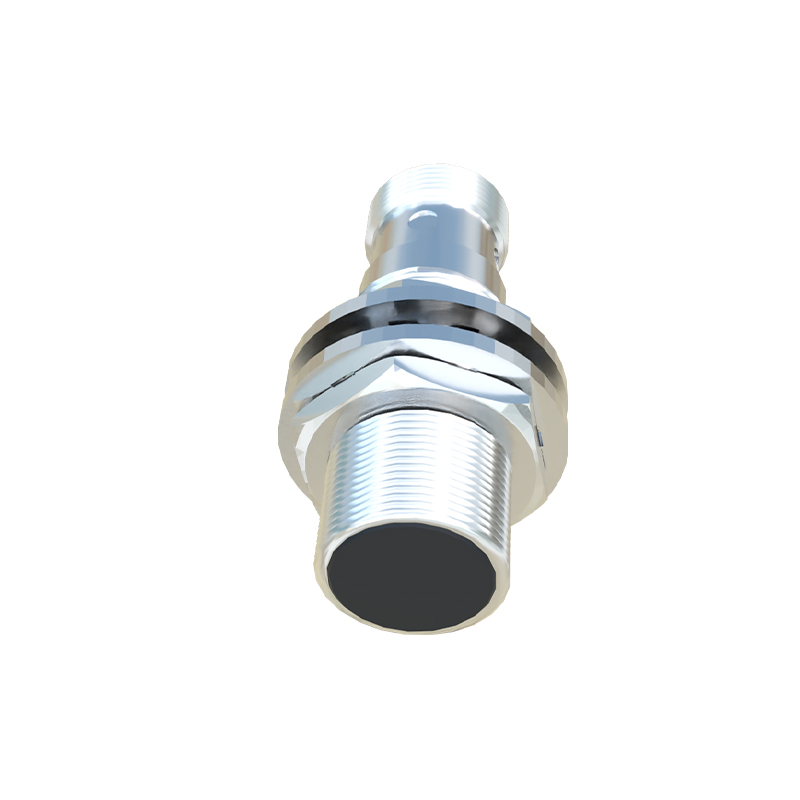
The strategic focus for leading proximity sensor companies extends beyond mere component sales. The value proposition increasingly lies in providing complete sensing solutions. This includes application-specific engineering support, sophisticated configuration software, and the ability to deliver sensors that can communicate rich diagnostic data. This shift is essential for modern manufacturing lines where minimizing downtime and optimizing processes are paramount. The automotive sector, particularly with the advance of Advanced Driver-Assistance Systems (ADAS) and autonomous driving, presents another frontier. Here, companies are developing highly reliable, compact, and cost-effective sensors for functions like parking assistance, blind-spot detection, and gesture control within cabins.
Looking ahead, the trajectory for proximity sensor companies is firmly pointed towards greater miniaturization, enhanced energy efficiency, and improved environmental robustness. The integration of artificial intelligence for edge processing is an emerging trend, allowing sensors to make preliminary decisions locally. Sustainability concerns are also influencing design, leading to sensors made with more recyclable materials and processes that reduce environmental impact. As industries worldwide continue to automate and seek greater operational intelligence, the companies that innovate in sensing technology will remain at the heart of this transformation, providing the essential "eyes and touch" for machines in an increasingly interconnected world.