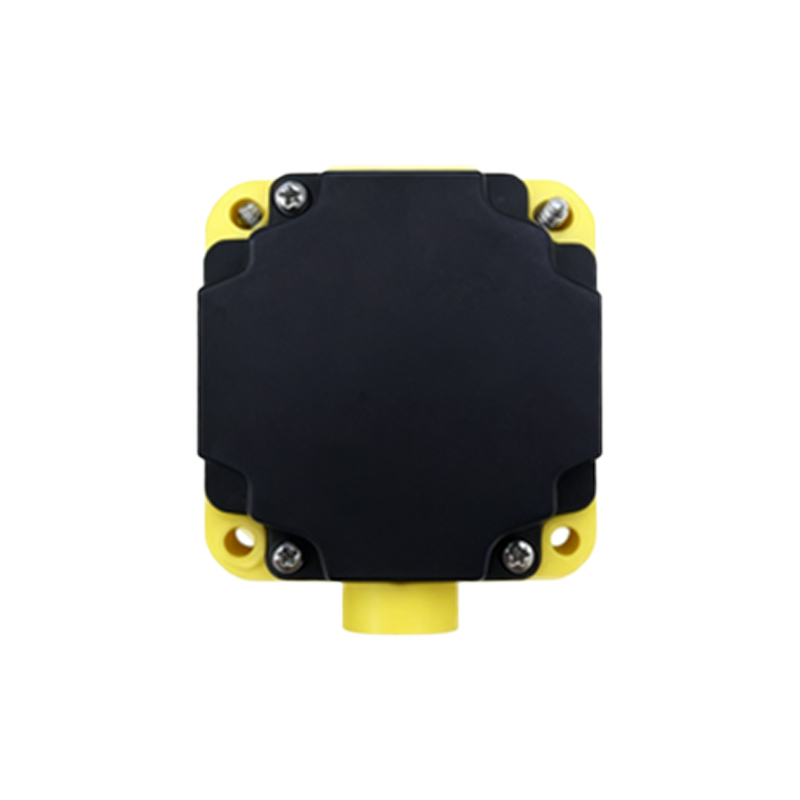
In the vast landscape of industrial automation and machinery, the ability to detect the presence or absence of an object is fundamental. While simple on/off detection has its place, many applications demand more nuanced information about distance or position. This is where analog proximity sensors come into play, offering a continuous output signal proportional to the distance to a target, providing a richer data stream for sophisticated control systems.
Unlike their digital counterparts that provide a simple switch signal (on or off) when an object enters a predefined sensing range, analog proximity sensors output a signal that varies continuously. Typically, this output is a voltage (e.g., 0-10V) or a current (e.g., 4-20mA) that changes in relation to the distance between the sensor's sensing face and the target object. As the object moves closer, the output signal increases or decreases linearly (or according to a specific curve) within its operational range. This analog signal can be fed directly into a programmable logic controller (PLC), motion controller, or data acquisition system, allowing for precise monitoring of position, thickness, warp, or vibration.
The core technology behind most industrial analog proximity sensors is based on electromagnetic principles. Inductive sensors are the most common type for detecting metallic objects. They contain a coil that generates a high-frequency electromagnetic field. When a metal target enters this field, eddy currents are induced in the metal, which dampens the oscillation in the sensor's coil. The sensor's electronics measure this damping effect and convert it into a proportional analog output. The sensing distance and output curve can be influenced by the type of metal; ferrous metals like steel are typically detected at greater distances than non-ferrous metals like aluminum or copper.
For non-metallic objects, capacitive analog proximity sensors are employed. These sensors generate an electrostatic field and can detect materials that alter the dielectric constant of this field, such as plastics, wood, liquids, powders, and even glass. The principle is similar: the presence of the target material changes the capacitance in the sensor's circuit, and this change is translated into a varying analog signal. This makes them versatile for level detection of liquids or granular materials through container walls, or for detecting non-metallic objects on a conveyor.
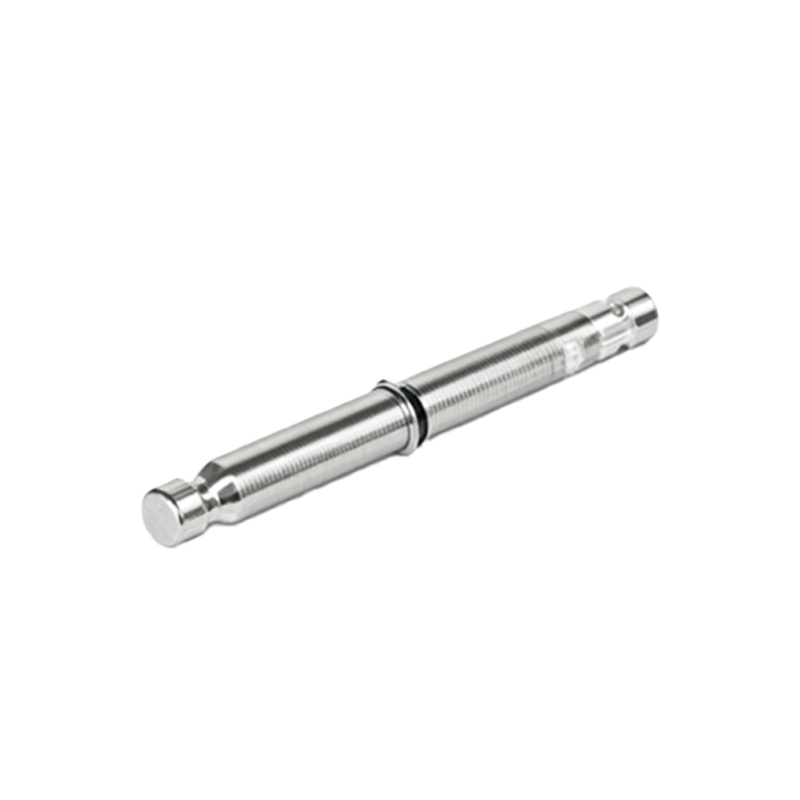
The key advantages of using analog proximity sensors are precision and flexibility. They enable systems to not just know if an object is present, but exactly where it is within a range. This is critical for applications like tension control in winding machines, where the sensor monitors the position of a dancer arm to regulate motor speed. In robotic applications, they can be used for soft touch detection or precise positioning of grippers. They are also invaluable for quality control, measuring thickness variations in materials, checking for warped parts, or monitoring runout and vibration on rotating shafts by observing distance changes to a target.
Selecting the right analog proximity sensor requires careful consideration of several parameters. First, define the target material (metal, plastic, liquid) to choose between inductive or capacitive technology. Next, determine the required measuring range—the distance over which the analog signal will change proportionally. The sensor's nominal sensing distance (Sn) is a reference, but the usable linear range is often a portion of this. Resolution, the smallest change in distance the sensor can detect, and repeatability, the consistency of output at a given distance, are crucial for precision tasks. Environmental factors like temperature extremes, presence of dust, coolant, or washdown conditions dictate the required housing material (often stainless steel) and ingress protection (IP) rating. Finally, the output type must match the control system's input cards: voltage outputs (0-10V) are common, but current loop outputs (4-20mA) are preferred for longer cable runs due to their inherent noise immunity.
Installation and calibration are critical steps. Sensors must be mounted securely to prevent vibration from affecting the signal. The sensing field can be influenced by nearby metals (for inductive sensors) or other materials, so maintaining adequate clearance from surrounding structures is necessary. During calibration, the system is typically taught the output values corresponding to the minimum and maximum distances in the application, scaling the analog signal to meaningful engineering units within the controller.
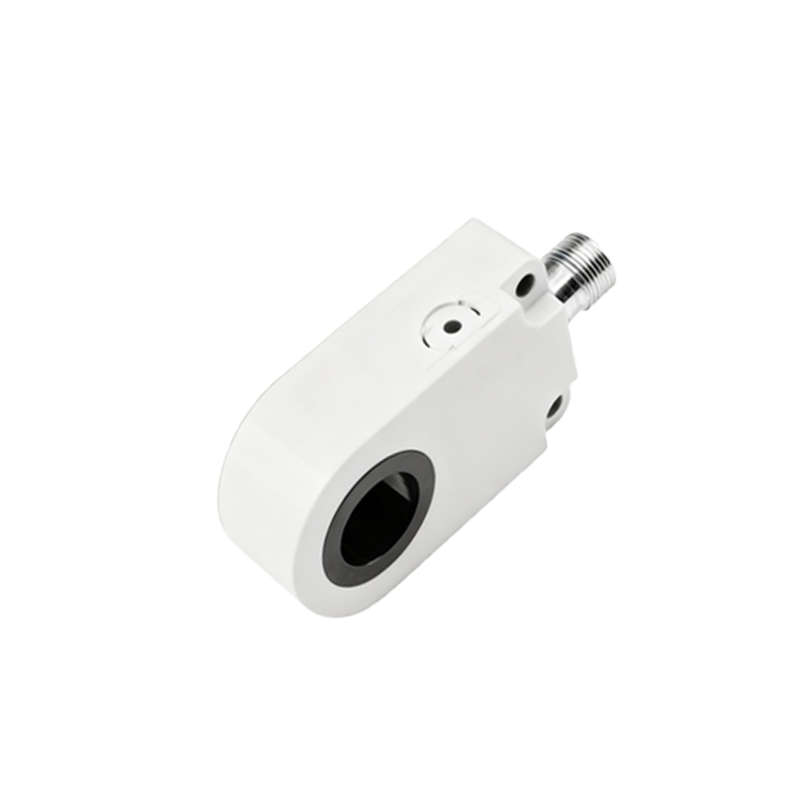
In summary, analog proximity sensors bridge the gap between simple presence detection and precise metrology. By providing a continuous stream of distance-proportional data, they empower automation systems with greater intelligence and control, enabling more complex, efficient, and reliable processes across manufacturing, packaging, automotive, and countless other industries. Their selection and integration, while requiring more attention to detail than a standard limit switch, unlock capabilities essential for modern, data-driven automation.