In the dynamic world of industrial automation and material handling, conveyor systems serve as the vital arteries, moving products, components, and raw materials with relentless efficiency. The uninterrupted flow on these belts is paramount to productivity, and any disruption can lead to significant downtime and financial loss. This is where the often-overlooked yet critical component comes into play: the proximity sensor. Specifically designed for the harsh and demanding environments of conveyor applications, conveyor-dedicated proximity sensors are the silent guardians of operational continuity, safety, and precision.
Unlike standard sensors, those engineered for conveyor duty are built to withstand a unique set of challenges. Conveyor environments are rife with vibration, dust, moisture, and electromagnetic interference from powerful motors. A standard sensor might falter, but a dedicated conveyor proximity sensor is typically housed in a robust, sealed casing—often rated IP67 or higher—to resist ingress from particulates and liquids. Their sensing faces are made from durable materials like stainless steel or specially coated polymers to endure physical abrasion from stray materials or accidental impacts.
The core function of these sensors is non-contact detection. They do not need to physically touch the object they are monitoring. The most common types used are inductive proximity sensors, which are perfect for detecting metallic objects like cans, metal parts, or the buckets on a bucket elevator. For non-metallic items such as cardboard boxes, plastic bottles, or bags, capacitive proximity sensors are the tool of choice. These sensors can detect the presence of almost any material by sensing changes in capacitance. Another key technology is the ultrasonic sensor, used for precise distance measurement or detecting objects with complex shapes, regardless of color or material transparency.
The applications on a conveyor line are diverse and critical. One of the primary uses is for object detection and counting. Sensors positioned along the belt confirm the passage of individual items, enabling accurate inventory counts and verifying that the correct number of products enters a packaging station or palletizing cell. They are indispensable in jam detection. By monitoring the expected flow, a sensor can trigger an alarm or automatically shut down the conveyor if a backlog occurs, preventing damage to both the product and the machinery. This is a crucial safety feature.
Furthermore, these sensors enable precise positioning for automated processes. For instance, they can signal a robotic arm exactly when a product is in the correct position for picking or placing. In sorting systems, a sensor detects an arriving package and, in conjunction with a control system, actuates a diverter arm to route it to the correct lane. They also play a vital role in speed monitoring by detecting the rotation of a shaft or the teeth on a sprocket, ensuring the conveyor is operating at the designated speed for process consistency.
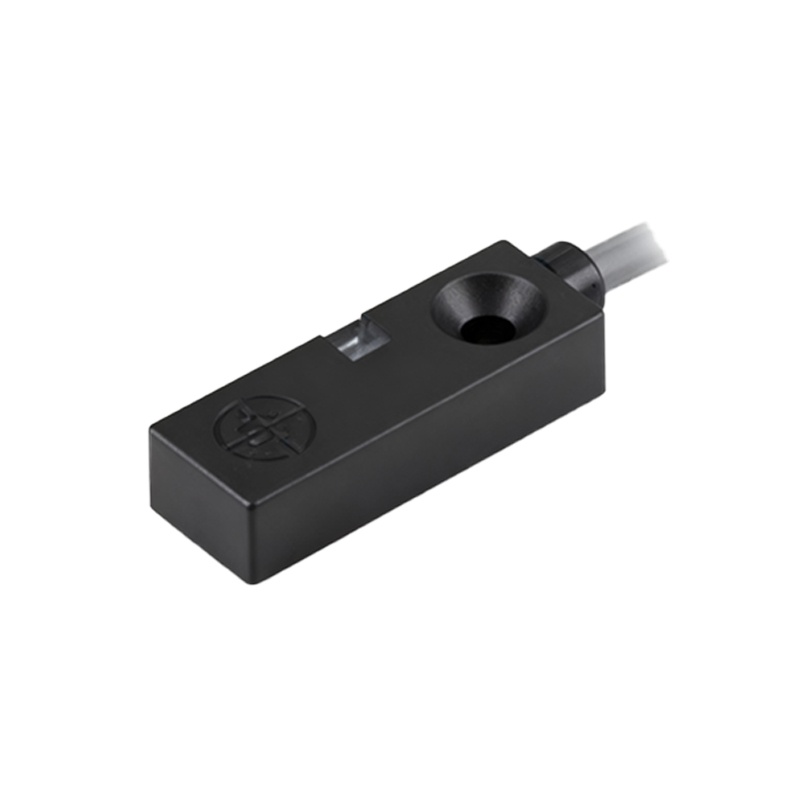
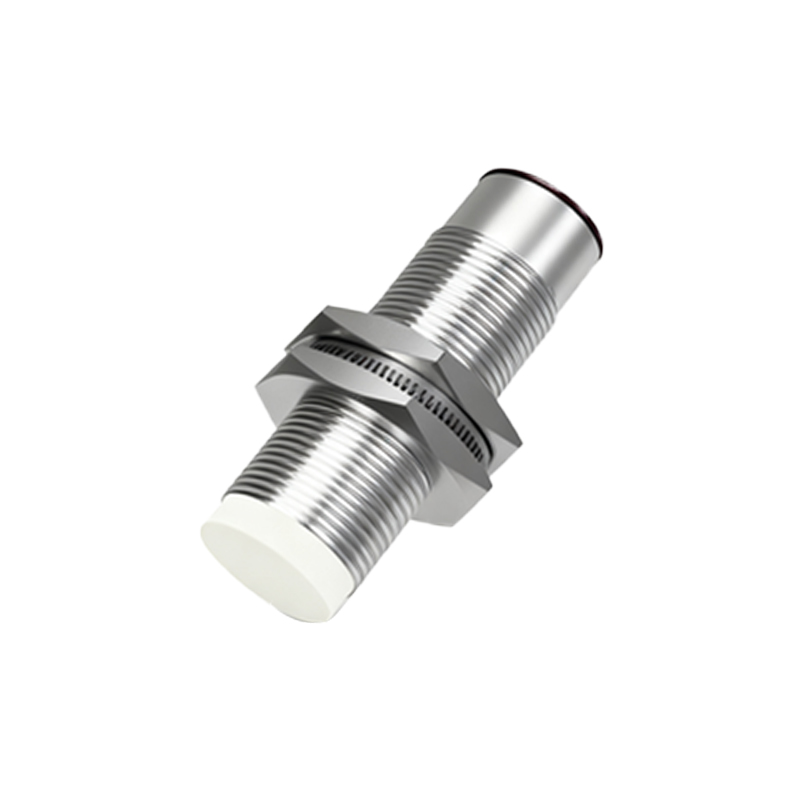
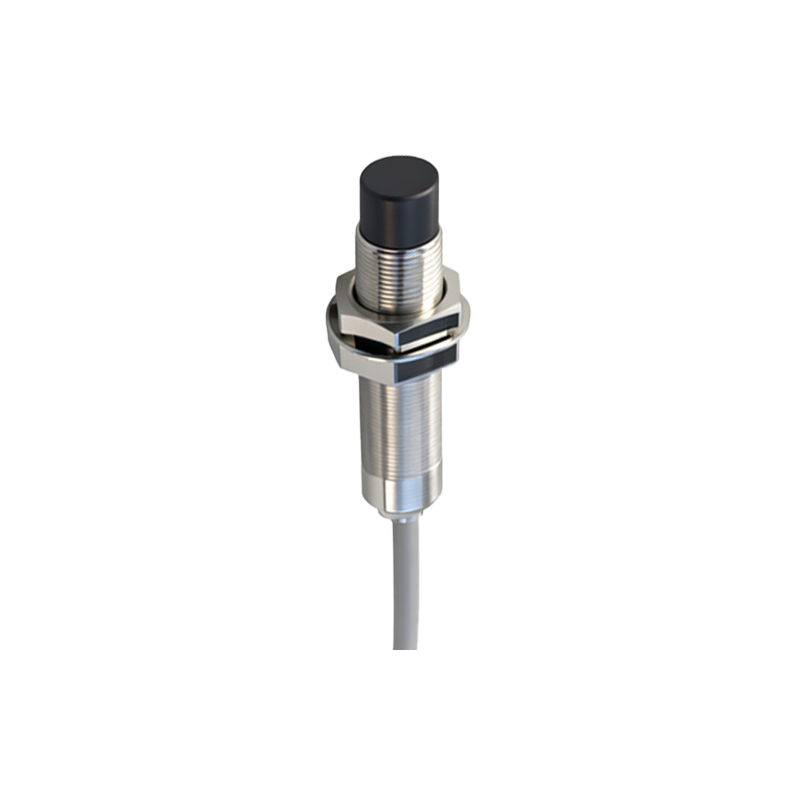
Selecting the right proximity sensor for a conveyor application requires careful consideration. The sensing range must be appropriate for the installation distance and object size. The housing shape—cylindrical, rectangular, or slot-style—must fit the mounting constraints. Environmental factors are paramount; one must consider temperature extremes, potential washdowns in food and beverage plants, or exposure to oils and coolants in manufacturing. The output type, whether NPN or PNP, and connection method must be compatible with the existing control system, typically a Programmable Logic Controller (PLC).
The benefits of deploying high-quality, application-specific proximity sensors are substantial. The most significant is the dramatic reduction in unplanned downtime. Early jam detection and reliable part presence sensing prevent catastrophic failures. This reliability directly translates to increased throughput and overall equipment effectiveness (OEE). From a safety standpoint, they protect workers by ensuring machinery only operates when clear and by preventing hazardous pile-ups. While an initial investment, their durability and precision lead to lower maintenance costs and a strong return on investment over time, avoiding the far greater costs of production halts.
In conclusion, conveyor-dedicated proximity sensors are far from mere accessories; they are fundamental intelligence points within a material handling system. They provide the essential data that allows modern automation to function with speed, accuracy, and safety. By making informed choices about sensor technology, durability, and placement, engineers and maintenance professionals can build conveyor systems that are not only powerful but also smart, resilient, and integral to a lean and profitable operation. Their silent vigilance ensures that the lifeblood of industry keeps flowing smoothly.