In industrial automation and smart system design, the square proximity sensor platform has emerged as a fundamental component, offering reliable non-contact detection capabilities. Unlike traditional mechanical switches or cylindrical sensor housings, the square form factor provides distinct advantages in mounting, integration, and spatial efficiency. This platform typically encompasses inductive, capacitive, and sometimes photoelectric sensors housed within a robust, standardized square enclosure, designed to withstand harsh industrial environments.
The core technology behind these sensors revolves around the principle of electromagnetic field disturbance or capacitance change. Inductive square proximity sensors generate an oscillating electromagnetic field from a coil within the sensor face. When a metallic object enters this detection field, it induces eddy currents within the object, which dampens the oscillation amplitude of the sensor's internal circuit. This change is detected, triggering a solid-state output switch. These sensors are ideal for detecting metals, such as steel, aluminum, or copper, at precise distances, with sensing ranges typically defined by the sensor's size and technology.
Capacitive square sensors operate on a different principle. They generate an electrostatic field and detect changes in capacitance caused by the presence of any material—metal, plastic, wood, liquid, or granules. This makes them exceptionally versatile for level detection in tanks, material handling, and non-metallic object positioning. The square housing often allows for a larger sensing face compared to cylindrical counterparts, potentially increasing sensitivity and range for certain applications.
The square design is not merely an aesthetic choice. It offers practical benefits for machine builders and system integrators. The flat surfaces facilitate easier and more secure mounting on machinery frames, brackets, or within control panels. Multiple sensors can be mounted side-by-side without wasted space, a common challenge with round housings. Many square sensor platforms feature built-in mounting holes or slots, standardized dimensions (e.g., common sizes like 40mm x 40mm), and clear, visible LED status indicators on the top or sides. This standardization simplifies procurement, inventory management, and replacement procedures.
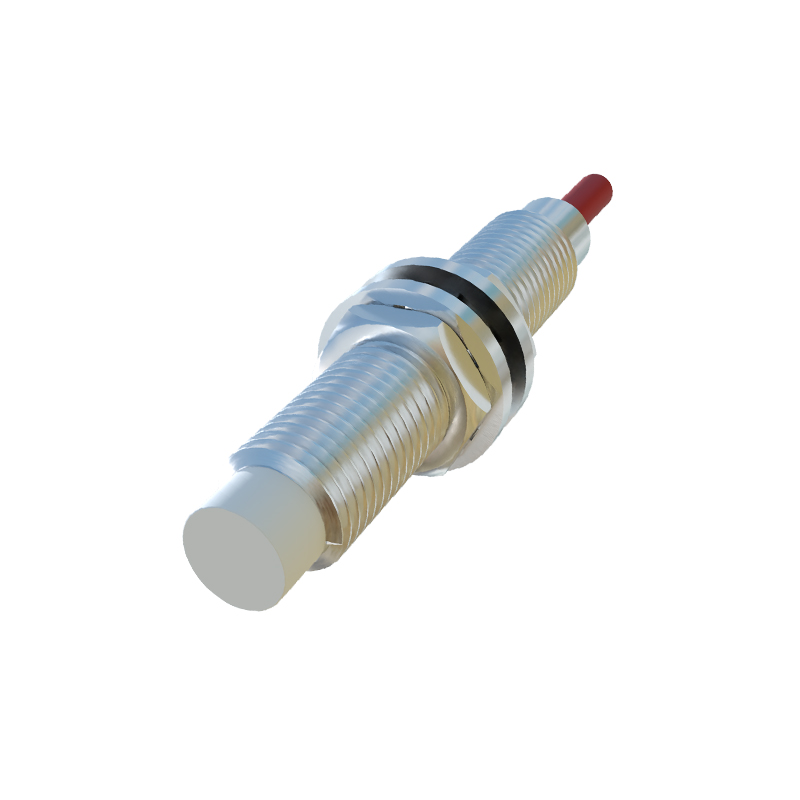
Wiring and connectivity are also streamlined. Square proximity sensors commonly feature pre-wired cables with standardized connectors (like M8 or M12 quick-disconnect) or terminal blocks accessible from the rear or side. This design protects connections from dust, coolant, and physical damage, enhancing long-term reliability. The housing material is usually a high-grade thermoplastic or metal (like nickel-plated brass or stainless steel) with high IP (Ingress Protection) ratings such as IP67 or IP69K, ensuring resistance to water, oils, and particulate matter.
Application areas for square proximity sensor platforms are vast. In automotive manufacturing, they are used for robotic arm end-effector positioning, pallet detection on conveyor lines, and door/window status verification. In packaging machinery, they detect the presence of cartons, bottles, or lids. In material handling and logistics, they monitor the position of shuttle cars, cranes, and automated guided vehicles (AGVs). Their robustness makes them suitable for food and beverage processing, where washdown environments are common, and for heavy industries like steel mills or foundries.
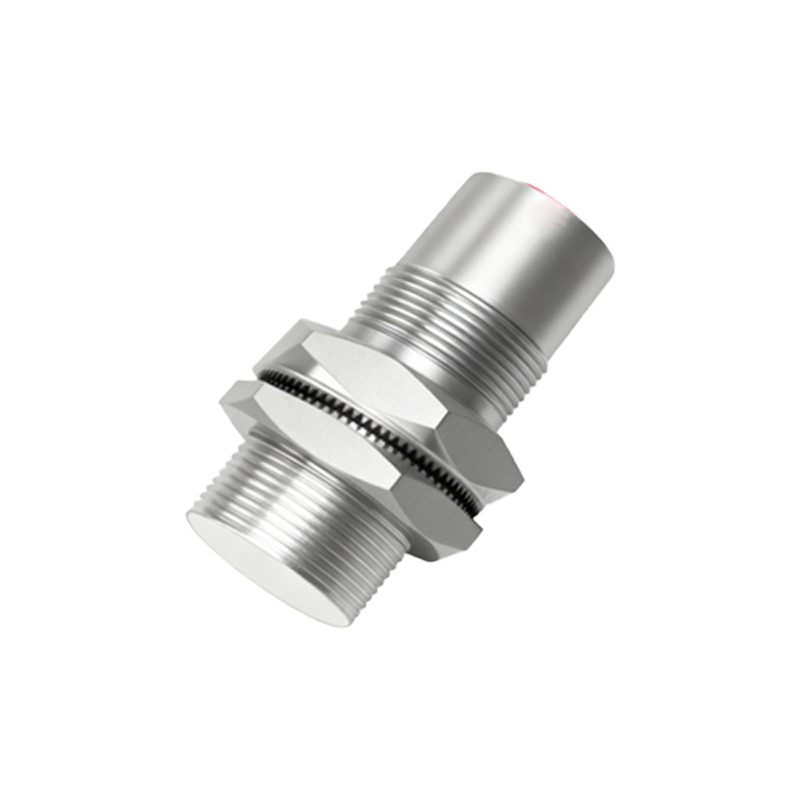
When selecting a square proximity sensor, several key parameters must be considered. The sensing distance, often specified as the "nominal range" (Sn), is crucial. It is important to note that this range can vary based on the target material's type, size, and shape. The output type—PNP (sourcing) or NPN (sinking)—must be compatible with the programmable logic controller (PLC) or input module. Operating voltage ranges (commonly 10-30V DC or 20-250V AC), output current capacity, and switching frequency are other critical electrical specifications. Environmental factors like ambient temperature, presence of strong electromagnetic fields, or potential chemical exposure also guide the selection of housing material and sealing.
Installation best practices involve ensuring the correct orientation and maintaining the recommended clearance around the sensor. Most square sensors require a certain amount of free space around the sensing face (lateral and frontal) to ensure the electromagnetic or electrostatic field is not influenced by adjacent metal structures, a factor known as "flush-mountability" or "non-flush mount" requirements. Proper alignment with the target is essential for consistent operation.
In conclusion, the square proximity sensor platform represents a mature, reliable, and highly adaptable solution for object detection across countless industries. Its standardized form factor, combined with advanced sensing technologies and robust construction, provides system designers with a critical tool for enhancing automation efficiency, safety, and reliability. As Industry 4.0 and the Industrial Internet of Things (IIoT) evolve, these sensors continue to integrate smarter features like IO-Link communication, enabling predictive maintenance and finer process data collection, solidifying their role in the connected factory of the future.