In the realm of industrial automation and mechatronic systems, proximity sensors stand as silent sentinels, enabling machines to perceive their environment without physical contact. These devices detect the presence or absence of an object within a specified range, triggering a control signal. Their non-contact operation eliminates mechanical wear, ensures high reliability, and allows for rapid response times—critical factors in modern manufacturing, robotics, and automotive assembly lines.
Fundamentally, proximity sensors operate on various physical principles, each suited to specific materials and environmental conditions. Inductive proximity sensors are among the most common. They generate an electromagnetic field and detect changes caused by metallic targets, typically ferrous metals like steel and iron. Their operation is unaffected by non-metallic substances such as dust, oil, or water, making them ideal for harsh industrial environments. Common applications include counting metal parts on a conveyor, determining the position of a machine tool, or serving as limit switches.
Capacitive proximity sensors, conversely, can detect both metallic and non-metallic materials, including liquids, plastics, glass, and wood. They function by measuring changes in capacitance between the sensor and the target object. This versatility makes them suitable for level detection in tanks (e.g., monitoring liquid or granular materials), detecting filled bottles on a production line, or ensuring the presence of a label on a package. However, they can be more susceptible to environmental factors like humidity.
For applications requiring longer sensing ranges or detection of any solid object regardless of material, photoelectric sensors are often employed. These use a light beam (visible red, infrared, or laser) and detect interruptions or reflections. While not always classified strictly as "proximity" sensors in the purest sense, their diffuse-reflective variants function similarly by detecting the presence of an object within a defined area. They excel in packaging, material handling, and complex assembly tasks.
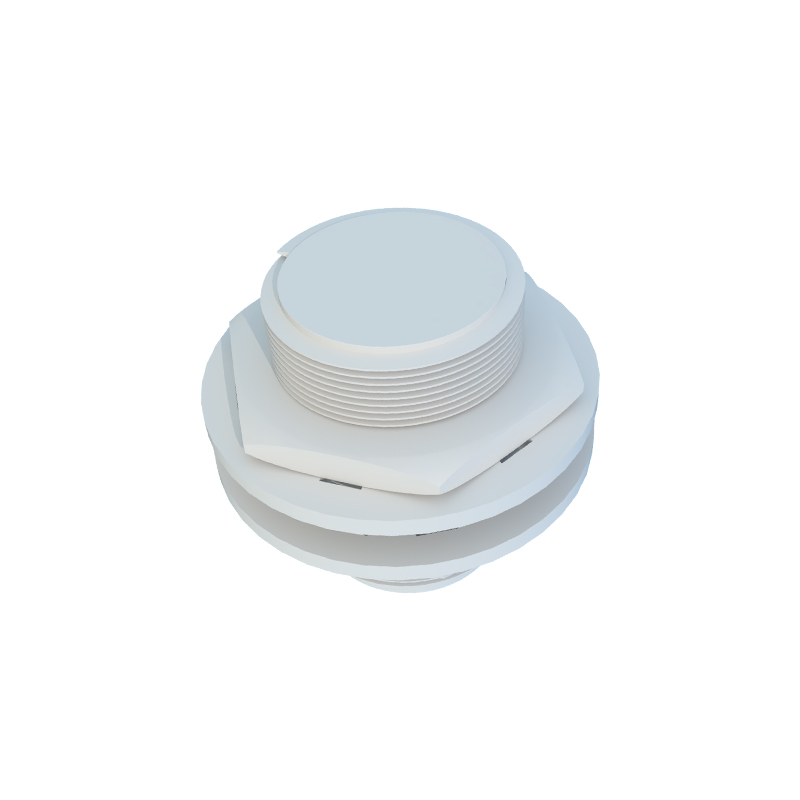
Another key type is the magnetic proximity sensor, often called a reed switch or Hall-effect sensor. These are designed to detect permanent magnets. They are frequently used in clean or sealed environments, such as detecting the position of a pneumatic cylinder piston or in safety door interlocks, where their sealed construction is advantageous.
Selecting the right proximity sensor requires careful consideration of several parameters. The sensing range, or the maximum distance at which the sensor can reliably detect a standard target, is paramount. The target material dictates the sensor type: inductive for metals, capacitive for a broader range. Environmental conditions like temperature extremes, presence of chemicals, or washdown requirements influence the sensor's housing material and ingress protection (IP) rating. Output type is also crucial; sensors provide digital signals (PNP/NPN for DC, or relay contacts) or analog signals proportional to distance. Finally, physical characteristics like size, shape (barrel, rectangular), and mounting style must fit the mechanical design.
The integration of these sensors into mechatronic systems is a cornerstone of Industry 4.0. They provide the essential data for feedback control loops, enabling precise positioning, quality verification, and process sequencing. In a robotic cell, for instance, inductive sensors might confirm a metal workpiece is in the gripper, while capacitive sensors could check for the presence of a plastic component. This data feeds into the Programmable Logic Controller (PLC), orchestrating seamless and efficient automated operations.
Maintenance is generally minimal due to the non-contact nature. However, ensuring a clean sensing face, verifying stable power supply, and protecting against physical damage or electrical noise are standard best practices. Regular functional checks are recommended to prevent unexpected downtime.
In conclusion, proximity sensors are indispensable components in electromechanical systems. Their ability to provide reliable, non-contact detection forms the basis for automation, safety, and efficiency. Understanding the distinct characteristics of inductive, capacitive, photoelectric, and magnetic types allows engineers and technicians to make informed selections, optimizing system performance and paving the way for smarter, more responsive industrial applications.