In the realm of modern electronics, a silent revolution is underway, driven by components that perceive the world without physical contact. At the heart of this revolution lies the capacitive proximity sensor chip, a sophisticated integrated circuit that has become ubiquitous, yet often remains unseen and unappreciated by the end-user. This technology, fundamentally based on the principles of capacitance, enables devices to detect the presence, position, or motion of nearby objects, transforming how we interact with machines.
The core operating principle is elegantly simple. A capacitive sensor chip generates an electric field from a sensing electrode, typically embedded under a non-conductive surface like glass or plastic. When an object, especially one with dielectric properties like a human finger or hand, enters this electric field, it causes a measurable change in the system's capacitance. The chip's internal circuitry is meticulously designed to detect these minute changes, often in the range of femtofarads, and convert them into a clear digital signal. This signal is then processed to trigger a predefined action, such as waking a screen, adjusting a control, or activating a safety mechanism.
What sets modern capacitive proximity sensor chips apart is their integration and intelligence. Contemporary System-on-Chip (SoC) designs incorporate not only the sensitive analog front-end for signal acquisition but also digital signal processors (DSP), microcontrollers, and sophisticated algorithms for noise filtering and environmental compensation. This high level of integration allows for remarkable sensitivity and reliability, enabling detection through various materials and in challenging conditions where factors like humidity, temperature, or electromagnetic interference might otherwise cause false triggers.
The applications of this technology are vast and continually expanding. In consumer electronics, it is the cornerstone of touchscreens, enabling the intuitive swipe and tap gestures we use daily on smartphones and tablets. Beyond the screen, these chips manage proximity sensing to turn off displays during phone calls, saving power and preventing accidental touches. In the automotive industry, they enhance safety and convenience through touch-sensitive control panels, hands-free trunk opening systems, and occupant detection for advanced airbag systems. Industrial automation relies on them for non-contact object detection in assembly lines, liquid level sensing, and as part of safety interlocks on machinery. Even in smart home devices, capacitive sensors provide seamless control for touch-activated lights, faucets, and appliances.
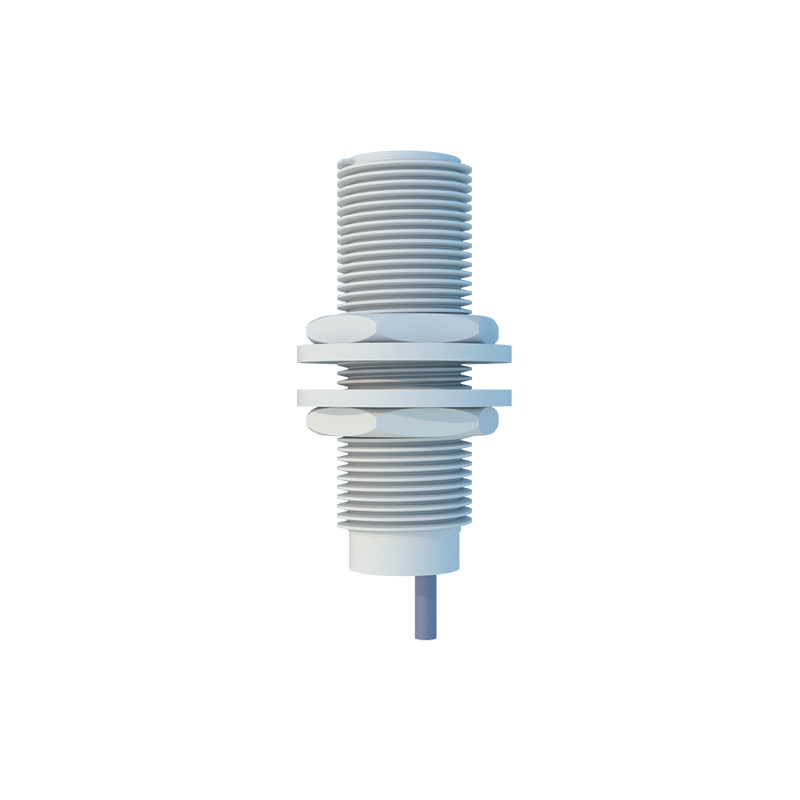
The advantages over mechanical switches and other sensing technologies like infrared or ultrasonic are compelling. With no moving parts, capacitive sensors offer exceptional longevity and reliability, immune to wear and tear. They enable sleek, seamless product designs with easy-to-clean, waterproof surfaces. Their low power consumption is critical for battery-operated devices, and their ability to sense through barriers allows for robust and aesthetically pleasing enclosures.
However, the design and implementation of capacitive sensing systems present distinct challenges. Engineers must carefully manage the sensor's parasitic capacitance and shield it from environmental noise. The layout of the printed circuit board (PCB) and the design of the sensor electrode itself are critical to performance. Furthermore, advanced tuning and calibration are required to ensure consistent behavior across mass-produced units, accounting for variations in materials and manufacturing tolerances.
Looking forward, the evolution of capacitive proximity sensor chips points toward even greater sensitivity, lower power consumption, and multi-functional capabilities. Emerging trends include the integration of artificial intelligence for gesture recognition, enabling complex commands without a single touch. The development of flexible and stretchable capacitive sensors opens new possibilities for wearable technology and biomedical applications. As the Internet of Things (IoT) expands, these chips will form a fundamental sensory layer, allowing everyday objects to perceive human presence and interaction intuitively.
In essence, capacitive proximity sensor chips are a foundational technology of the interactive age. They provide a silent, reliable, and intuitive interface between the physical and digital worlds. By translating the subtle presence of a human hand or object into actionable data, they empower the seamless functionality we have come to expect from our devices, proving that the most powerful technologies are often those we do not see.