In the rapidly evolving landscape of industrial automation, magnetic proximity sensors stand as critical components, enabling non-contact detection, precise positioning, and reliable operation in harsh environments. These sensors, which detect the presence or absence of a magnetic field, are indispensable in manufacturing, automotive, packaging, and material handling sectors. The companies that design and manufacture these sophisticated devices are at the forefront of technological advancement, driving efficiency, safety, and smart factory initiatives worldwide.
The core technology behind magnetic proximity sensors involves a reed switch or a magneto-resistive element that reacts to changes in a magnetic field, typically from a permanent magnet attached to a moving target. This simple yet robust principle allows for detection without physical contact, eliminating wear and tear and ensuring long-term reliability. Key advantages include their ability to function in dirty, oily, or wet conditions where optical sensors might fail, their insensitivity to most non-ferrous materials, and their consistent performance across a wide temperature range. Modern iterations offer enhanced features like programmable switching points, analog output for distance measurement, and robust housing ratings such as IP67 and IP69K for extreme environments.
Several prominent companies have established themselves as leaders in this niche but vital market. These firms differentiate themselves through innovation, product range, global support, and application-specific expertise.
Established Global Powerhouses
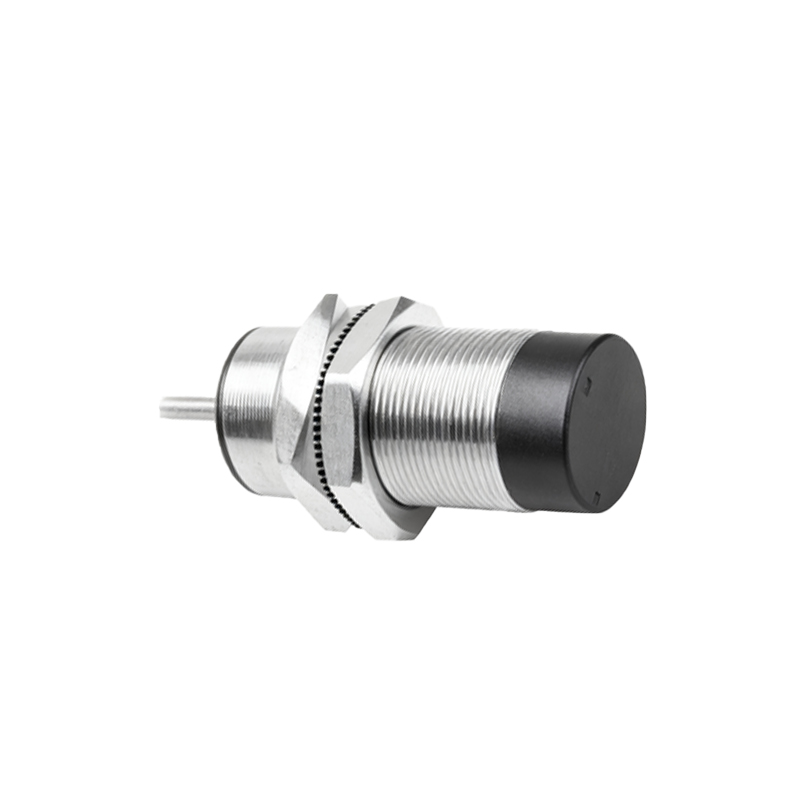
Companies like Sick AG, ifm electronic, and Pepperl+Fuchs have built formidable reputations. Sick AG, a German sensor giant, offers a comprehensive portfolio, including cylindrical and rectangular magnetic sensors known for high switching frequencies and durability in demanding logistic and automotive applications. ifm electronic, another German leader, emphasizes ease of use and integration, with sensors featuring IO-Link communication for digital data exchange and predictive maintenance capabilities. Pepperl+Fuchs is renowned for its expertise in explosion-proof (ATEX/IECEx) sensors, making its magnetic proximity sensors essential for hazardous areas in chemical or pharmaceutical plants.
Specialized Innovators
Beyond the giants, specialized players like Turck and Balluff excel with unique offerings. Turck is noted for its rugged, compact designs and advanced connectivity solutions, including RFID systems that work in conjunction with proximity sensing. Balluff, with its strong focus on factory automation, provides magnetic sensors with innovative form factors and high-precision versions for critical positioning tasks in machine tools and robotics.
The Drive Towards Digitalization and IIoT
The competitive edge for magnetic proximity sensor companies now heavily relies on integrating with the Industrial Internet of Things (IIoT). The modern sensor is no longer just a simple switch; it is a data point. Leading companies are embedding intelligence into their sensors. Features like condition monitoring (reporting on operating temperature or switch cycle count), automatic parameter configuration via IO-Link, and direct cloud connectivity are becoming standard expectations. This transformation allows plant managers to move from reactive maintenance to predictive analytics, minimizing unplanned downtime and optimizing production flow.
Challenges and Future Outlook
The market faces constant pressure for miniaturization, cost reduction, and increased functionality. Companies are investing in research to develop sensors with lower power consumption for battery-operated devices, higher resistance to strong electromagnetic interference, and greater sensing distances. Furthermore, the integration of sensing with other functions, like wireless communication or energy harvesting, represents the next frontier.
Choosing the right magnetic proximity sensor company depends on specific application needs: the required sensing distance, environmental conditions, output type (PNP/NPN, analog, IO-Link), mechanical design, and the level of smart functionality needed. A partnership with a capable supplier provides not just a component, but a solution that enhances machine performance and operational intelligence.
In conclusion, magnetic proximity sensor companies are pivotal enablers of modern industry. Through continuous innovation in durability, intelligence, and connectivity, they provide the essential "sense of touch" for automated systems. As industries worldwide push towards greater autonomy and data-driven decision-making, the role of these companies and their advanced sensing solutions will only become more central, solidifying their position as foundational pillars of the Fourth Industrial Revolution.