In the world of sensors, devices like smoke detectors and proximity sensors play crucial but fundamentally different roles. While both are electronic components designed to detect specific conditions, their purposes, operating principles, and applications are worlds apart. Understanding these distinctions is essential for selecting the right technology for safety systems, automation, or any project requiring environmental awareness.
A smoke detector is a life-safety device. Its sole purpose is to save lives and protect property by providing an early warning of fire. It is designed to detect the presence of smoke, which is a primary indicator of fire. There are two main types: ionization and photoelectric. Ionization smoke detectors contain a small amount of radioactive material between two electrically charged plates. This ionizes the air, creating a current. When smoke enters the chamber, it disrupts this flow of ions, reducing the current and triggering the alarm. Photoelectric detectors use a light beam and a sensor. In normal conditions, the light beam does not hit the sensor. When smoke particles enter the optical chamber, they scatter the light, causing some of it to hit the sensor and activate the alarm. These devices are typically installed on ceilings, are self-contained units with a loud audible alarm, and are often interconnected throughout a building. Their operation is passive and continuous, monitoring the environment 24/7 for a specific, hazardous condition. Compliance with strict safety standards (like UL in the US) is mandatory.
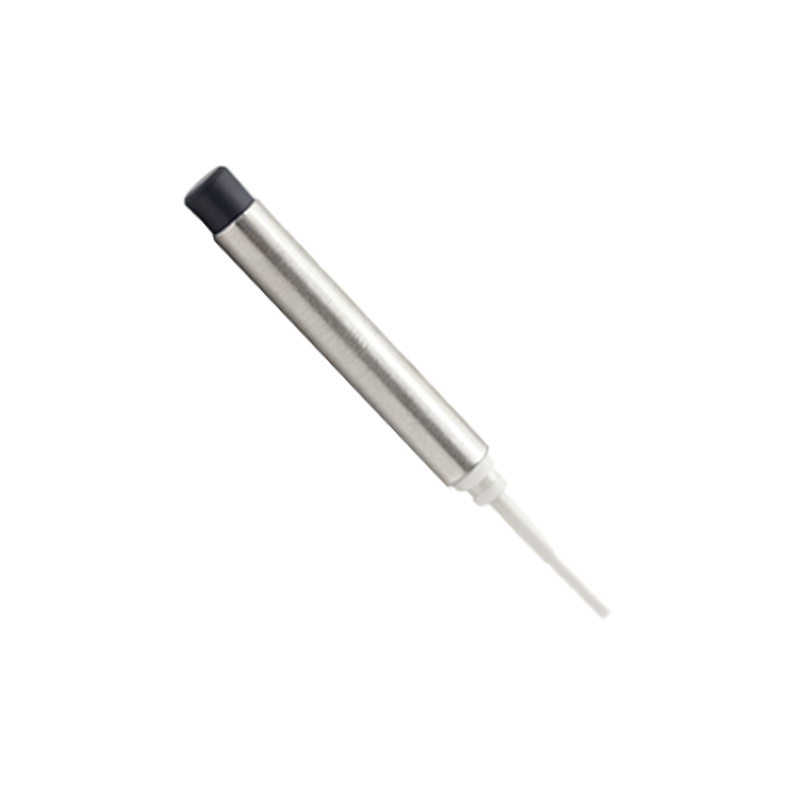
In stark contrast, a proximity sensor is an industrial and consumer electronics component used for detection, positioning, and automation without physical contact. Its purpose is to sense the presence, absence, or position of an object within a defined range. There are several types, including inductive (for metals), capacitive (for both metals and non-metals like liquids or plastics), and ultrasonic (using sound waves). For instance, an inductive proximity sensor generates an electromagnetic field. When a metal object enters this field, it induces eddy currents in the object, which are detected by the sensor, causing it to switch its output signal. These sensors are not looking for an environmental condition like smoke; they are looking for a specific target object. They are active devices that emit a field or beam and measure the response. You'll find them in factories counting products on a conveyor belt, in smartphones to turn off the display when held to your ear, in automatic doors, and in robotics for precise positioning. Their output is usually a simple digital signal (on/off) or an analog distance reading sent to a controller.
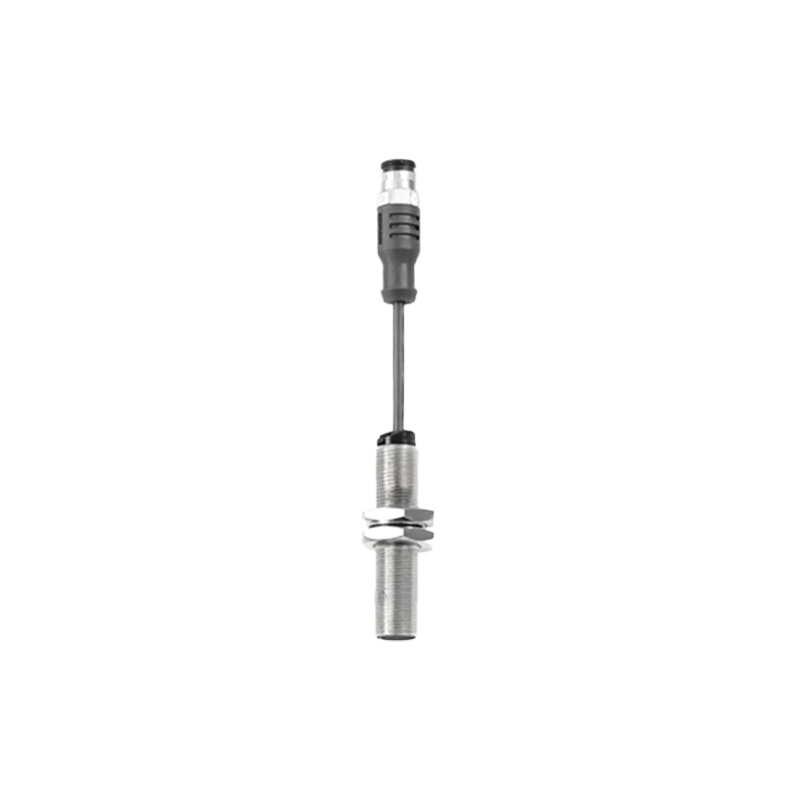
The core difference lies in intent and output. A smoke detector is an alarm. Its job is to sense a dangerous anomaly and alert humans through sound and light. Its output is an urgent, audible/visual warning intended for direct human perception. A proximity sensor is a data input device. Its job is to provide a precise, reliable signal to a machine or control system (like a PLC or microcontroller) to inform an automated action—stop the conveyor, open the door, dim the screen. Its output is an electrical signal, not a human-facing alarm.
Another key distinction is in environmental factors. Smoke detectors are carefully calibrated to ignore common household dust or steam to a certain degree, though false alarms can occur. They are sensitive to particulate matter. Proximity sensors must be selected based on their sensing object and are affected by different factors: inductive sensors by the type of metal, capacitive sensors by the material's dielectric constant, and ultrasonic sensors by the object's sound reflectivity and environmental noise.
Choosing the wrong sensor can have serious consequences. Replacing a smoke detector with a proximity sensor in a home would eliminate fire protection, creating a deadly hazard. Conversely, using a smoke detector to count boxes on an assembly line would be utterly ineffective. In summary, remember this: a smoke detector is a life-saving alarm for fire, while a proximity sensor is a versatile switch for automation and control. One guards against disaster, the other enables precision and efficiency in machine operation.