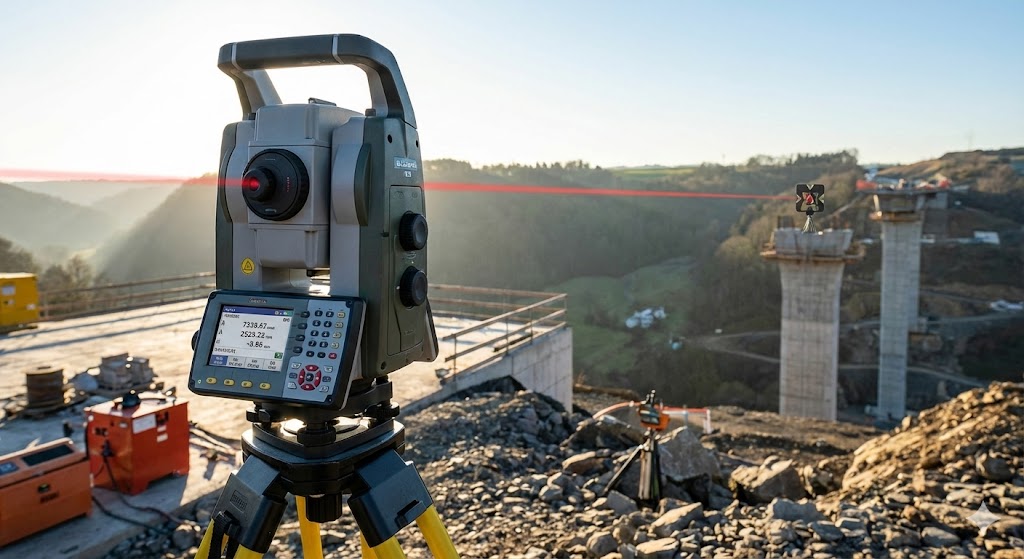
Laser rangefinder sensors have become integral components in numerous modern technologies, from autonomous vehicles and robotics to construction, surveying, and defense. At their core, these devices provide highly accurate distance measurements by leveraging the fundamental properties of light. Understanding the principle behind their operation demystifies how they achieve such precision and reliability.
The foundational concept is surprisingly straightforward: measure the time it takes for a pulse of laser light to travel to a target and back. This method is known as Time-of-Flight (ToF). A laser diode emits a focused, coherent beam of light toward an object. A photodetector, typically an avalanche photodiode (APD) or a photomultiplier tube, is positioned to receive the reflected light. An internal high-speed electronic clock measures the elapsed time between the emission and the detection of the return pulse. Since the speed of light (c) in air is a known constant (approximately 299,792,458 meters per second), the distance (D) to the target can be calculated using a simple formula: D = (c t) / 2. The time (t) is divided by two because the light travels the distance twice—to the target and back.
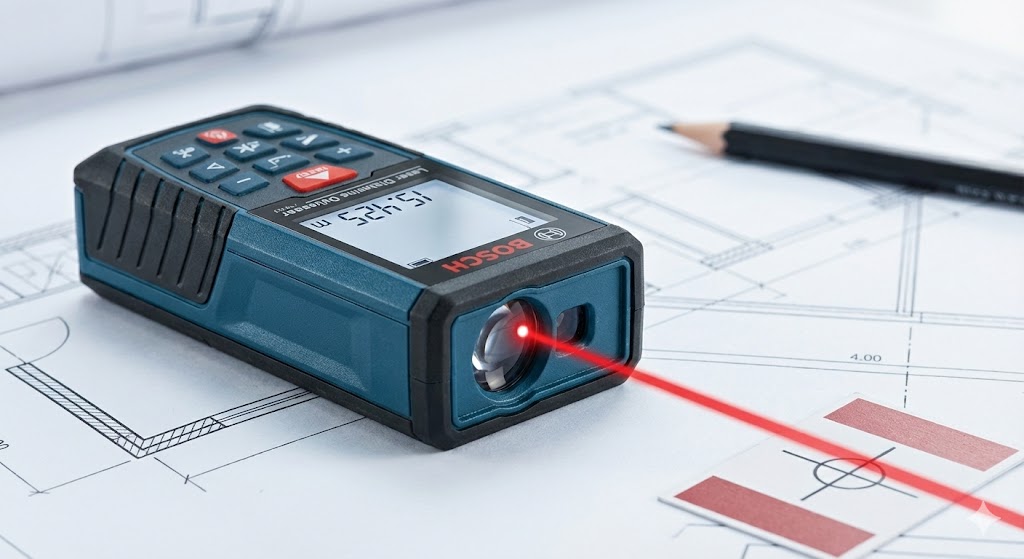
However, implementing this principle with high accuracy presents significant engineering challenges. The time intervals involved are extraordinarily short. For instance, measuring a distance of 1.5 meters requires timing a round-trip of about 10 nanoseconds. This necessitates extremely fast and sensitive electronic circuitry. Furthermore, the laser pulse must be powerful enough to produce a detectable reflection but remain eye-safe, which is governed by international laser safety classes. The sensor must also filter out ambient light, such as sunlight, which can easily swamp the weak return signal. This is achieved through optical filters that match the laser's specific wavelength and sophisticated signal processing that identifies the precise laser pulse signature.
Another common principle used in more precise, short-to-medium-range applications is phase-shift measurement. Instead of a single pulse, the laser emits a continuous wave of amplitude-modulated light. The sensor compares the phase difference between the emitted wave and the reflected wave. Since the wavelength of the modulation is known, the phase shift directly correlates to the distance traveled. This method can provide sub-millimeter accuracy but is generally effective over shorter ranges than pulsed ToF systems, as phase ambiguity becomes an issue at longer distances.
The performance of a laser rangefinder sensor is influenced by several key factors. The reflectivity and angle of the target surface are paramount. A dark, matte, or highly oblique surface will scatter much of the laser light, resulting in a weak or non-existent return signal, potentially causing a measurement failure. Environmental conditions like fog, rain, or dust can attenuate or scatter the laser beam, reducing effective range. Modern sensors incorporate algorithms to compensate for some of these variables and often include multiple return detection, which can distinguish between the distance to a tree's leaves and its trunk, for example.
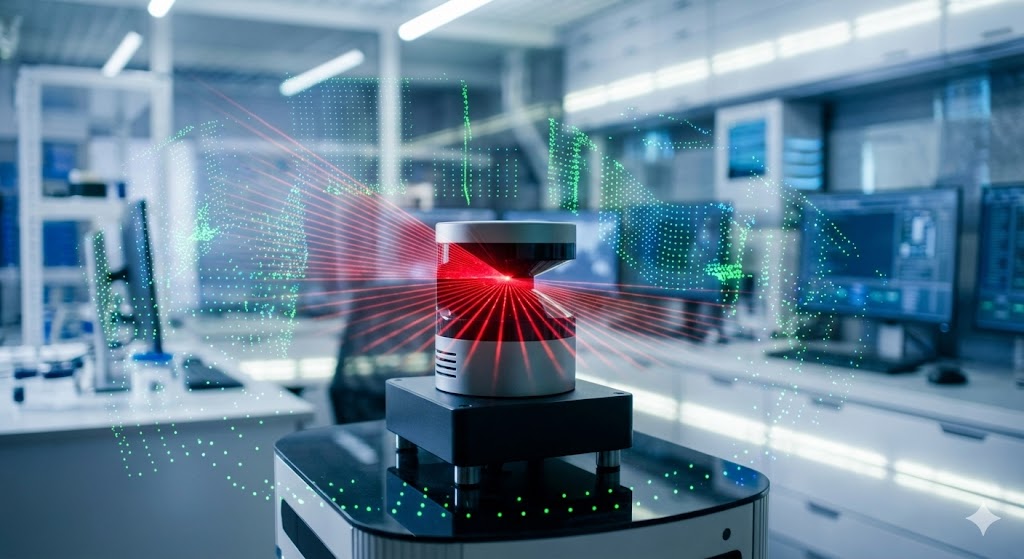
Applications dictate the choice of principle and design. Military and golf rangefinders often use pulsed ToF for long-range, single-point measurement. In contrast, LiDAR (Light Detection and Ranging) systems on autonomous vehicles use scanning mechanisms with pulsed lasers to create detailed 3D point clouds of the environment, relying on the same fundamental ToF principle millions of times per second. In industrial automation, phase-shift sensors might be used for precise positioning on an assembly line.
In conclusion, the laser rangefinder sensor is a elegant application of basic physics. By precisely timing the journey of light, or measuring the shift in its wave pattern, these devices convert an optical phenomenon into a critical digital measurement. Ongoing advancements in laser efficiency, detector sensitivity, and processing power continue to push the boundaries of their range, accuracy, and miniaturization, solidifying their role as essential eyes for machines in an increasingly automated world.