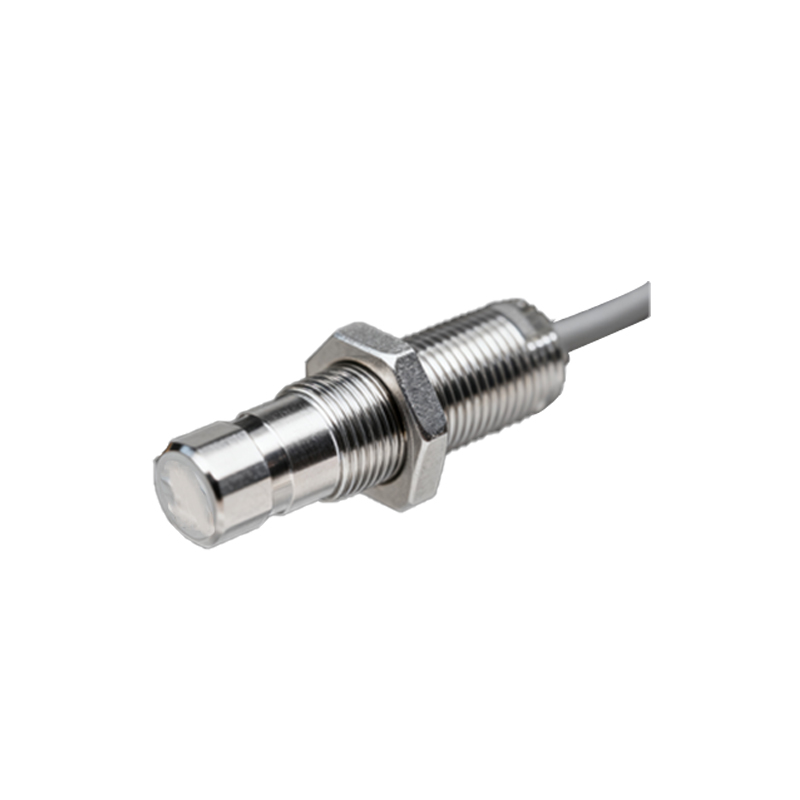
In the world of industrial automation, robotics, and smart devices, proximity sensors are the silent sentinels. These non-contact detection devices are fundamental to countless applications, from ensuring safety on a factory floor to enabling the touchless screen on your smartphone. However, with a vast array of proximity sensor models available, selecting the right one can be a daunting task. This guide delves into the key types, specifications, and practical considerations to help you navigate the landscape of proximity sensor models.
The first and most critical step is understanding the primary sensing technologies. Inductive proximity sensors are the workhorses for detecting metallic objects. They generate an electromagnetic field and react to eddy current losses caused by a metal target. Common models in this category are shielded (flush-mountable) or unshielded, with sensing ranges typically from a few millimeters to about 60 mm. Capacitive proximity sensors, on the other hand, can detect both metallic and non-metallic materials like liquids, plastics, or wood by sensing changes in capacitance. These are ideal for level detection or material presence applications. Photoelectric sensors use light beams (visible red, infrared, or laser) to detect objects. Their models vary greatly, including through-beam (separate emitter and receiver), retro-reflective (with a reflector), and diffuse (reflective) types, offering some of the longest sensing ranges. Finally, ultrasonic sensors use sound waves to measure distance or detect presence, excelling in harsh environments where dust, smoke, or target color could interfere with photoelectric models.
Beyond the core technology, model selection hinges on technical specifications. The sensing range, often listed as a nominal value, is paramount. It's crucial to consider the reduction factor for non-ferrous metals in inductive sensors or the material and color dependence in photoelectric models. The housing material, such as nickel-plated brass, stainless steel, or PBT plastic, determines environmental resilience against chemicals, oils, or physical impact. Electrical characteristics are equally vital. Most industrial models operate on DC (10-30V DC) or AC voltages, with outputs including NPN (sinking), PNP (sourcing), or relay contacts. The output configuration—normally open (NO) or normally closed (NC)—must align with the control logic of your system. Key performance metrics like switching frequency (how fast the sensor can detect objects per second) and hysteresis (the difference between the switch-on and switch-off points to prevent chatter) are critical for high-speed or precision applications.
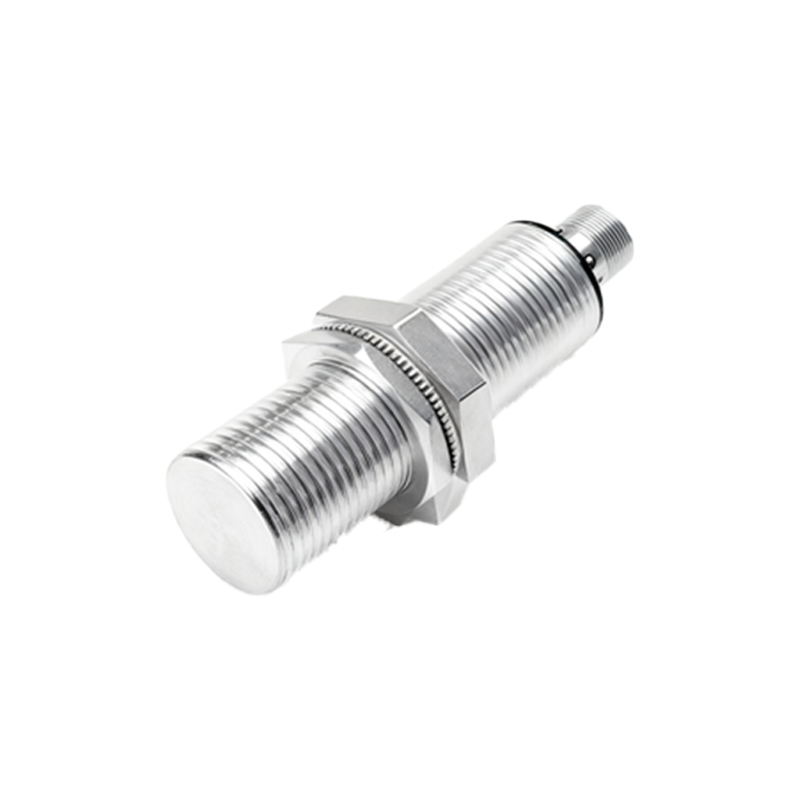
Environmental factors dictate the required protection class. An IP67 rating is standard for models resisting dust ingress and temporary immersion, making them suitable for washdown areas. For more demanding environments, IP69K-rated models withstand high-pressure, high-temperature jet cleaning. In hazardous locations, intrinsically safe or explosion-proof certified models (e.g., ATEX, IECEx) are mandatory. The physical form factor—barrel-style (cylindrical), rectangular, or slot-style—must fit the mechanical constraints of the installation. Advanced features found in modern models include IO-Link communication for digital parameterization and diagnostics, analog output for continuous distance measurement, and teach-in functionality for easy setup.
Application dictates the optimal model. For precise position detection of a metal gear tooth, a high-frequency inductive sensor with a small sensing face is ideal. For detecting transparent glass bottles on a conveyor, a polarized retro-reflective photoelectric sensor that ignores shiny surfaces is necessary. In a food processing plant, a capacitive sensor with a PTFE-faced housing might be used to detect liquid level in a stainless steel tank, while an ultrasonic sensor monitors bulk material in a silo. Always consult the manufacturer's datasheet, which provides detailed performance graphs, target material corrections, and temperature drift specifications. Remember, the most expensive model is not always the best; the correct choice is the one that reliably meets the technical, environmental, and economic requirements of the specific task. By systematically evaluating technology, specifications, and application context, you can confidently select the proximity sensor model that ensures robustness, efficiency, and longevity in your system.