In industrial settings where flammable gases, vapors, or combustible dust are present, safety is not just a priority—it is a necessity. Explosion proof switches play a critical role in preventing catastrophic incidents by containing potential sparks or heat within their robust enclosures. These specialized devices are engineered to withstand extreme conditions, ensuring that electrical operations can proceed without igniting surrounding hazardous atmospheres.
The fundamental principle behind explosion proof switches lies in their design. Unlike standard switches, these units are constructed with heavy-duty materials such as cast aluminum or stainless steel, forming a sealed housing that can endure internal explosions. Should a spark occur within the switch, the enclosure prevents it from escaping and contacting external flammable substances. This containment approach is vital in industries like oil and gas, chemical processing, mining, and grain handling, where even a minor ignition source could lead to devastating consequences.
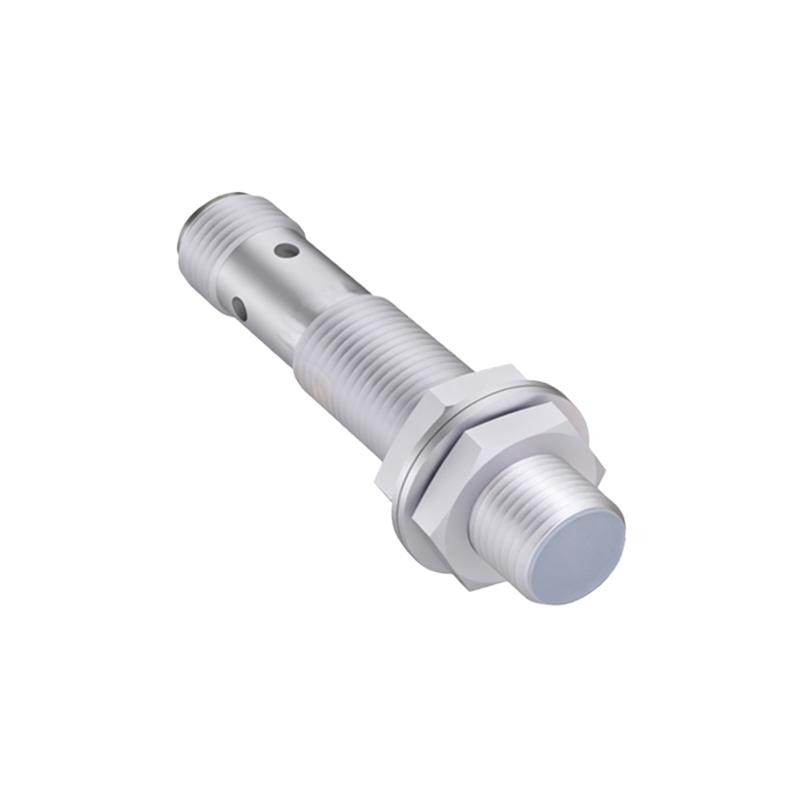
Various types of explosion proof switches cater to different applications. Toggle switches, push-button switches, and rotary switches are commonly used for control functions, while limit switches and pressure switches serve automated systems. Each variant adheres to stringent international standards, such as ATEX in Europe, IECEx globally, and NEC in the United States. Compliance with these certifications ensures that the switches meet rigorous safety and performance criteria, providing reliability in high-risk zones.
Installation and maintenance are key to maximizing the effectiveness of explosion proof switches. Proper sealing, correct wiring, and regular inspections help maintain integrity over time. Factors like temperature ratings, ingress protection (IP) ratings, and corrosion resistance must be considered based on the specific environment. For instance, switches in offshore platforms may require additional protection against saltwater corrosion, whereas those in dusty mills need enhanced sealing against particulate ingress.
Technological advancements have further enhanced the functionality of these switches. Modern designs incorporate features like LED indicators, emergency stop functions, and compatibility with digital control systems. Such innovations improve usability without compromising safety, allowing operators to monitor and control equipment more efficiently. Additionally, the rise of intrinsically safe designs offers alternatives for low-energy applications, reducing the need for bulky enclosures in certain scenarios.
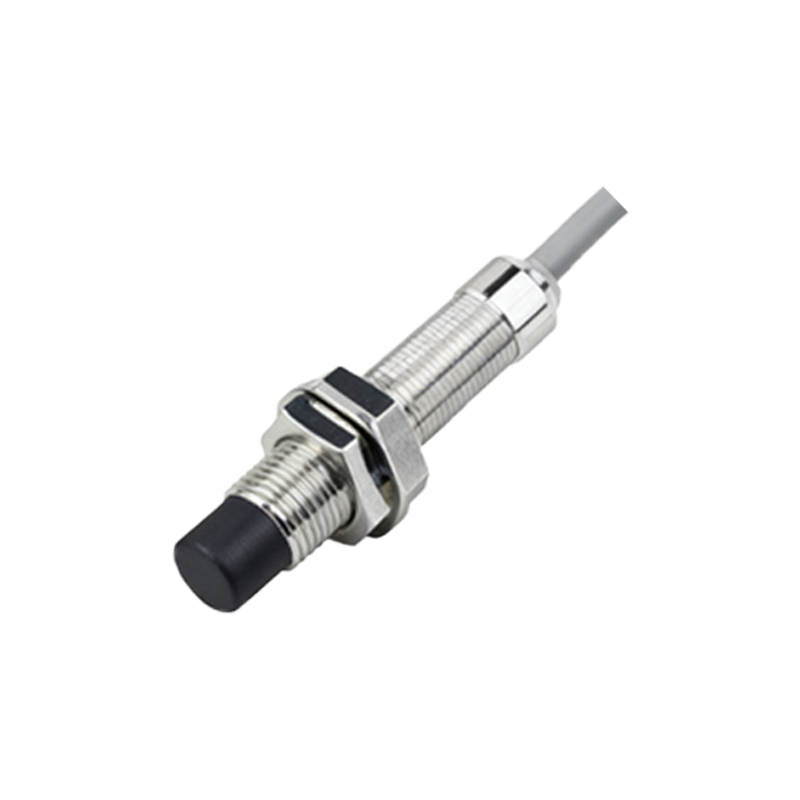
Despite their robust construction, explosion proof switches are not invincible. Common issues include seal degradation, contact wear, and environmental damage. Regular testing and adherence to manufacturer guidelines are essential to prevent failures. Training personnel on proper handling and hazard awareness also contributes to long-term safety.
In conclusion, explosion proof switches are indispensable components in hazardous industrial environments. Their ability to prevent ignition sources from causing explosions safeguards both personnel and infrastructure. As industries evolve and safety regulations tighten, continuous innovation in switch design will further enhance protection, ensuring that operations in volatile settings remain secure and efficient. Investing in high-quality, certified explosion proof switches is not merely a regulatory requirement—it is a commitment to preserving life and property in the face of potential dangers.