In the realm of industrial automation and control systems, proximity sensors stand as fundamental components, enabling non-contact detection of objects. Among the various types, photoelectric proximity sensors, often simply called photoelectric sensors, are particularly versatile and widely used. This article delves into the operational principles, key types, selection criteria, and application best practices for these critical devices.
At its core, a photoelectric proximity sensor operates by emitting a beam of light (visible red, infrared, or laser) and detecting changes in the received light signal. The presence or absence of a target object alters this signal, triggering the sensor's output. This non-contact method offers significant advantages over mechanical switches, including higher reliability, longer service life (no moving parts to wear out), and faster response times, which are crucial for high-speed production lines.
There are three primary sensing modes for photoelectric sensors: through-beam, retro-reflective, and diffuse-reflective. Through-beam sensors consist of separate emitter and receiver units. The object is detected when it interrupts the light beam traveling from the emitter to the receiver. This mode offers the longest sensing range and highest reliability, as it is largely immune to the object's color, texture, or reflectivity. Retro-reflective sensors house both emitter and receiver in a single housing, using a reflector to bounce the light beam back. Detection occurs when an object blocks this reflected beam. These are easier to install than through-beam types but require a specific reflector. Finally, diffuse-reflective sensors detect objects by measuring the light reflected directly off the target itself. They are the most compact and easiest to install, as only one unit is needed and no separate reflector. However, their performance is highly dependent on the target's color, surface finish, and distance.
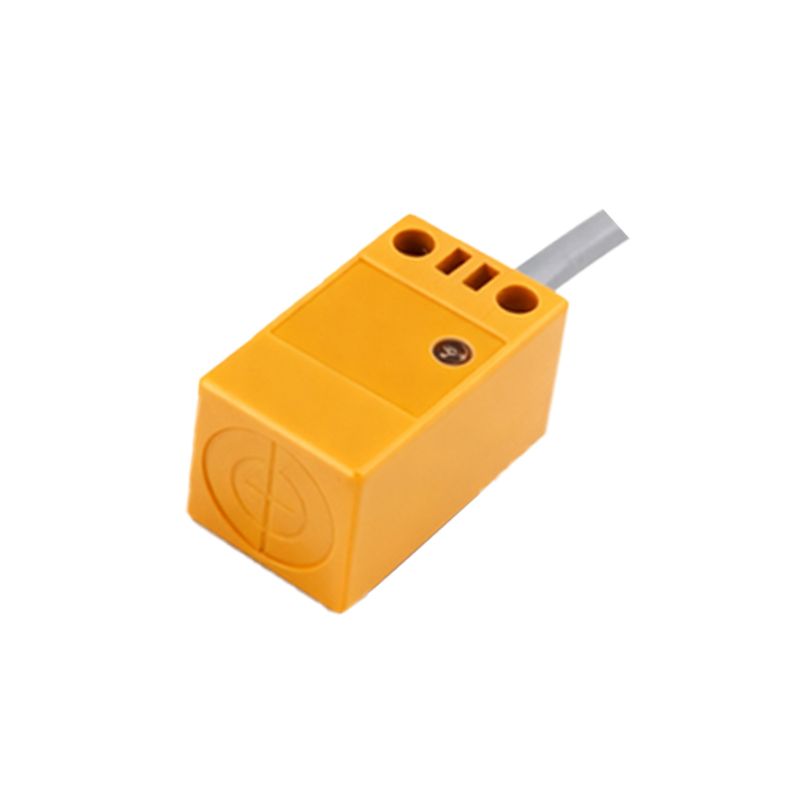
Selecting the right photoelectric sensor requires careful consideration of several application parameters. Sensing distance is paramount; one must choose a sensor with a rated sensing distance greater than the required installation distance, with an appropriate safety margin. The target characteristics—its size, material, color, and surface texture—directly influence the choice of sensor type and its required sensitivity. Environmental conditions pose another critical factor. Factors such as ambient light (sunlight, welding arcs), dust, fog, oil mist, or temperature extremes can interfere with optical sensing. Many industrial-grade sensors feature robust housings (often IP67 or higher), specialized lenses to resist contamination, and modulated LED light sources to ignore ambient light interference. The required output type (PNP/NPN, NO/NC) must match the control system's input card, typically 24V DC in industrial settings.
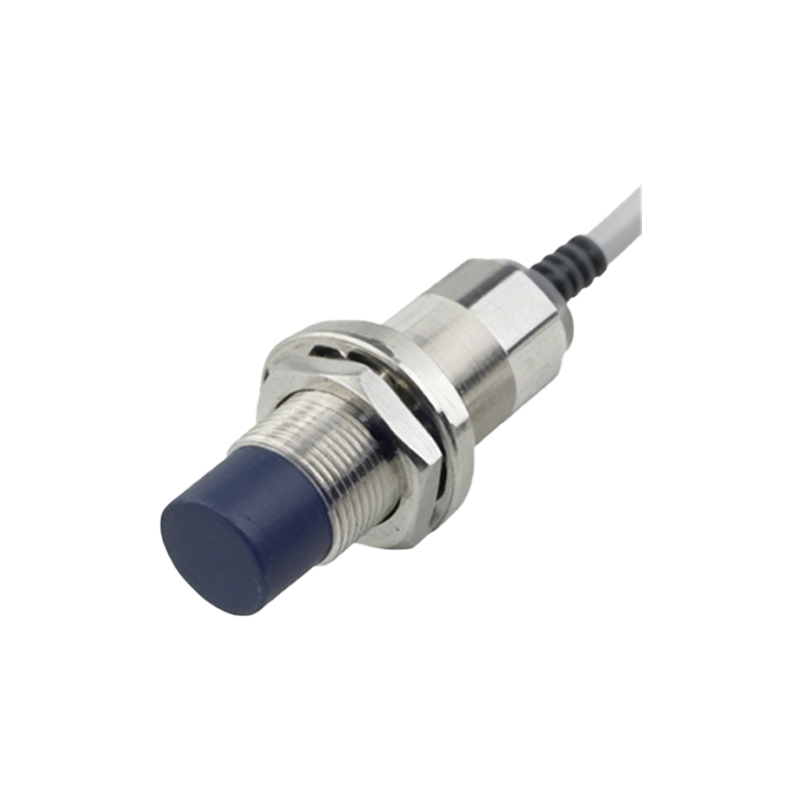
Proper installation and alignment are as important as the selection itself. Ensuring a stable mounting, free from vibration, is essential. For through-beam and retro-reflective types, precise alignment between the emitter, receiver, and/or reflector is critical for optimal performance. Even for diffuse sensors, the angle of incidence on the target can affect reliability. Regular maintenance, primarily lens cleaning to prevent buildup of dust or grime, ensures consistent long-term operation. Many modern sensors incorporate diagnostic LEDs that indicate power status, output activation, and signal strength, greatly aiding in setup and troubleshooting.
In practice, photoelectric proximity sensors are ubiquitous. They are used for object detection on conveyor belts, counting products, monitoring bin levels, verifying part presence in assembly machines, ensuring correct positioning, and as safety curtains for personnel protection. Their ability to detect a vast range of materials—metal, plastic, wood, glass, and even liquids—makes them indispensable.
In conclusion, photoelectric proximity sensors are powerful and flexible tools for industrial automation. A deep understanding of their operating modes, coupled with a systematic approach to selection based on the specific application demands—target, environment, and performance requirements—ensures reliable and efficient system integration. As technology advances, features like background suppression, precise distance measurement, and IO-Link digital communication are enhancing their capabilities, solidifying their role as a cornerstone of modern smart manufacturing and process control.