In the rapidly evolving agricultural technology sector, laser sensor systems have emerged as a pivotal innovation, particularly in the fruit industry, with apple processing standing at the forefront. These sophisticated devices utilize laser beams to capture precise, non-contact measurements of physical attributes, revolutionizing how apples are sorted, graded, and monitored for quality. Unlike traditional mechanical or visual inspection methods, laser sensors offer unparalleled accuracy, speed, and consistency, making them indispensable in modern packing facilities and supply chains.
The core principle involves emitting a focused laser light onto the apple's surface. As the fruit moves along a conveyor belt—typically at high speeds—the sensor detects reflections and scattering patterns. By analyzing parameters such as light intensity, wavelength shifts, and time-of-flight, the system can determine critical characteristics including size, shape, color, surface defects (like bruises or blemishes), and even internal qualities such as sugar content or firmness through advanced spectral analysis. For instance, near-infrared (NIR) laser sensors penetrate the fruit's skin to assess internal composition without causing damage, ensuring only optimal produce reaches consumers.
Applications in apple processing are extensive. In sorting lines, laser sensors enable real-time categorization based on predefined standards, separating apples by diameter, weight, and aesthetic quality. This automation reduces labor costs and minimizes human error, enhancing throughput efficiency. For quality control, sensors identify subtle defects that might be invisible to the naked eye, such as early-stage rot or insect damage, allowing for proactive removal and reducing waste. Moreover, in storage and ripening monitoring, laser systems track environmental factors and fruit condition, helping maintain freshness during transportation.
The benefits extend beyond operational efficiency. By ensuring consistent quality, laser sensors help producers meet stringent international market standards, boosting competitiveness and consumer trust. They also support sustainable practices by optimizing resource use—for example, precise sorting reduces over-packaging and energy consumption. However, implementing these systems requires significant investment in hardware and software integration, along with staff training for maintenance and data interpretation. Challenges like calibration for diverse apple varieties or handling varying surface textures (e.g., waxy vs. matte skins) necessitate ongoing technical refinement.
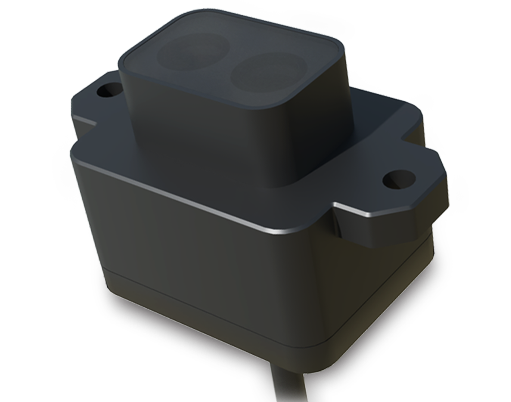
Looking ahead, trends point toward integration with artificial intelligence and IoT networks. Smart laser sensors could predict shelf life or detect diseases earlier by cross-referencing data with historical patterns. As the global demand for high-quality apples grows, driven by health-conscious consumers, the role of laser technology will only expand. In summary, laser sensors represent a transformative tool in apple agriculture, merging precision engineering with agricultural science to deliver superior products from orchard to table.