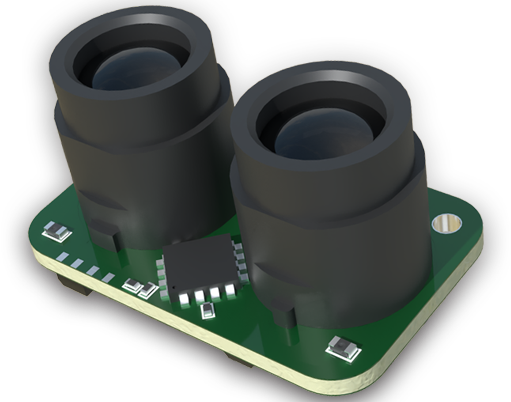
Integrated laser sensors represent a transformative advancement in electrical engineering, merging precision optics with sophisticated electronic systems to deliver unparalleled accuracy in measurement and control applications. These devices combine laser emission, detection, and signal processing into a single compact unit, enabling real-time data acquisition in environments where traditional sensors fall short. The core technology hinges on semiconductor laser diodes and photodetectors, integrated with microcontrollers and communication interfaces, allowing seamless integration into industrial automation, robotics, and smart infrastructure.
In industrial settings, integrated laser sensors enhance quality control by detecting minute defects on production lines with sub-micron resolution. Their ability to measure distance, displacement, and thickness without physical contact reduces wear and maintenance, boosting operational efficiency. For instance, in automotive manufacturing, these sensors ensure precise alignment of components, while in electronics, they verify circuit board soldering integrity. The integration of IoT connectivity further enables predictive maintenance, where sensor data analytics preempt equipment failures, minimizing downtime.
The design of integrated laser sensors emphasizes robustness against environmental interference such as dust, vibration, and electromagnetic noise. Advanced models incorporate adaptive algorithms that compensate for ambient light variations, ensuring reliable performance in harsh conditions. Energy efficiency is another hallmark, with low-power laser modules and optimized circuitry extending battery life in wireless applications, from wearable health monitors to autonomous drones.
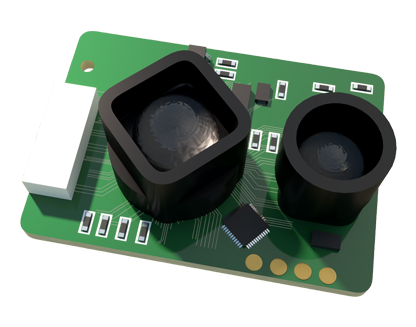
From a technical perspective, key innovations include time-of-flight (ToF) and triangulation methods for distance sensing, coupled with embedded AI for pattern recognition. These sensors can now identify materials based on reflective properties or monitor fluid levels in tanks with high precision. In renewable energy sectors, they optimize solar panel alignment and wind turbine blade inspection, contributing to sustainable technology development.
Future trends point toward miniaturization and multi-functionality, with research focusing on silicon photonics to integrate optical components directly onto chips. This will enable mass production at lower costs, expanding applications to consumer electronics and smart homes. However, challenges remain in standardizing protocols and ensuring cybersecurity in networked systems.
Ultimately, integrated laser sensors are redefining electrical engineering paradigms, offering a synergy of speed, accuracy, and connectivity. As industries embrace Industry 4.0, these sensors will become indispensable tools for driving innovation, from precision agriculture to advanced medical diagnostics, solidifying their role as a cornerstone of modern technological progress.