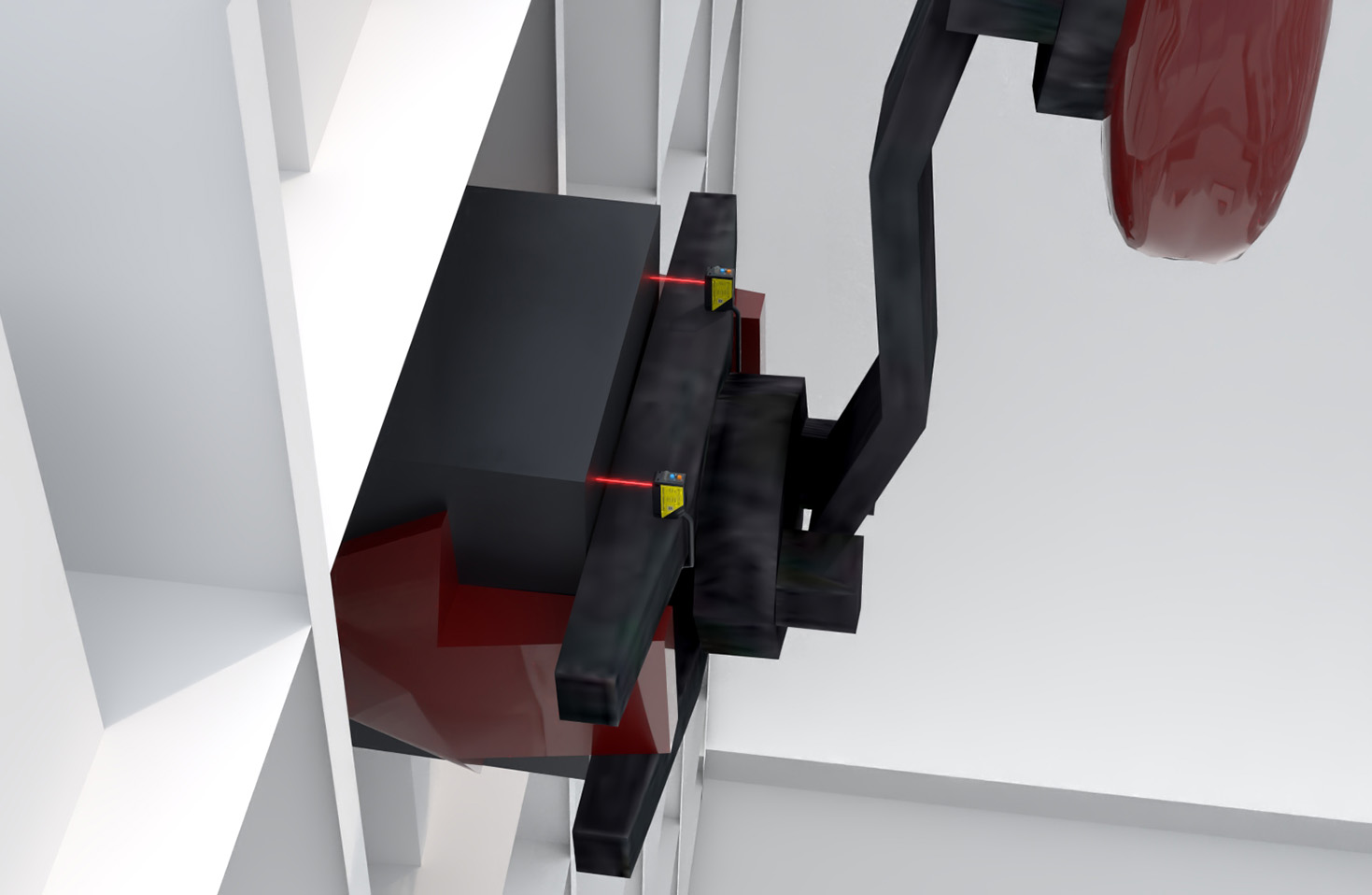
In the rapidly evolving landscape of industrial automation, precision measurement stands as a cornerstone of efficiency, quality control, and operational safety. Among the myriad of technologies driving this precision, Velo laser sensors have emerged as a pivotal force, redefining the boundaries of accuracy, speed, and reliability in diverse applications. These sensors, leveraging advanced laser triangulation or time-of-flight principles, offer non-contact measurement solutions that are indispensable in modern manufacturing, robotics, and logistics systems.
The core technology behind Velo laser sensors typically involves emitting a focused laser beam onto a target surface. The reflected light is then captured by a high-resolution receiver. By analyzing the position or the phase shift of the reflected beam, the sensor calculates the exact distance to the object with micron-level precision. This non-contact methodology eliminates mechanical wear, reduces maintenance needs, and allows for the measurement of delicate, hot, or fast-moving objects that would be impossible to gauge with traditional tactile probes.

One of the most significant advantages of Velo laser sensors is their exceptional versatility. In automotive assembly lines, they are deployed for precise gap and flush measurement between body panels, ensuring luxury fit and finish. In electronics manufacturing, they verify the coplanarity of semiconductor components or the thickness of coatings on circuit boards. Within the realm of robotics, these sensors provide critical feedback for guidance and positioning, enabling robots to perform intricate tasks like bin picking or precise assembly with human-like dexterity. Furthermore, in warehouse automation, Velo sensors facilitate accurate dimensioning of packages for logistics and inventory management, optimizing storage space and shipping costs.
The performance metrics of modern Velo laser sensors are truly impressive. They boast measurement ranges that can span from a few millimeters to several meters, with repeatability often in the single-digit micron range. High-speed models can perform thousands of measurements per second, making them ideal for inline quality inspection on high-throughput production lines. Environmental robustness is another key feature; many industrial-grade Velo sensors are encased in rugged housings with high IP ratings, resisting dust, moisture, and mechanical vibrations commonly found in harsh factory environments. Integration is streamlined through standard industrial communication protocols like IO-Link, PROFINET, EtherNet/IP, and analog outputs, allowing them to seamlessly connect with PLCs (Programmable Logic Controllers) and higher-level control systems.
Looking toward the future, the integration of Velo laser sensors with Industry 4.0 and IoT (Internet of Things) frameworks is unlocking new potentials. Smart sensors equipped with embedded processors can perform preliminary data analysis at the edge, reducing latency and network load. Predictive maintenance algorithms can monitor the sensor's own health and signal when calibration or service is needed, preventing unexpected downtime. The data generated by networks of these sensors contribute to a digital twin of the production process, enabling real-time optimization and deeper insights into manufacturing trends.
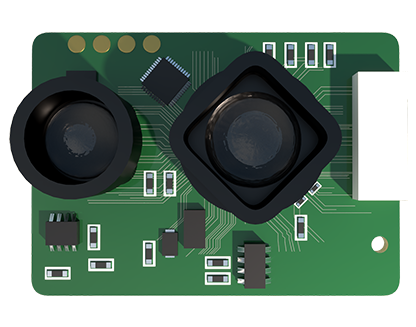
However, successful implementation requires careful consideration. Selecting the right Velo sensor model depends on specific application parameters: target material (as color and reflectivity affect laser absorption), required resolution, environmental conditions, and necessary response time. Proper installation, alignment, and periodic calibration are crucial to maintaining stated accuracy. For instance, measuring a shiny metallic surface may require sensors with specialized algorithms or filters to handle specular reflection, while measuring dark, absorbent materials might necessitate models with higher laser power.
In conclusion, Velo laser sensors represent more than just a measurement tool; they are a fundamental enabler of intelligent automation. By providing fast, accurate, and reliable dimensional data without physical contact, they empower industries to enhance product quality, boost production efficiency, and ensure operational safety. As technology continues to advance, with trends like miniaturization, multi-point measurement, and enhanced AI-driven data interpretation on the horizon, the role of Velo laser sensors will only become more central in building the smart factories of tomorrow. Their continued evolution is set to drive further innovations across sectors from precision engineering to autonomous systems, solidifying their status as a critical component in the industrial toolkit.