In the dynamic landscape of industrial automation, plug-in proximity sensors have emerged as indispensable components, offering reliable non-contact detection for a myriad of applications. As an experienced electrical engineer, I have witnessed the evolution of these sensors from basic inductive models to sophisticated, self-managed systems that enhance operational efficiency and reduce maintenance overhead. This article delves into the intricacies of plug-in proximity sensors, focusing on self-managed solutions that empower engineers to optimize performance autonomously.
Plug-in proximity sensors are designed for easy installation and integration into control systems, typically featuring standardized connectors that simplify wiring and replacement. These sensors operate on the principle of electromagnetic induction, capacitive sensing, or ultrasonic technology, depending on the target material and environmental conditions. Inductive sensors, for instance, detect metallic objects without physical contact, making them ideal for harsh industrial environments where durability is paramount. Capacitive variants, on the other hand, can sense non-metallic materials like plastics or liquids, expanding their utility in diverse sectors such as packaging, food processing, and automotive manufacturing.
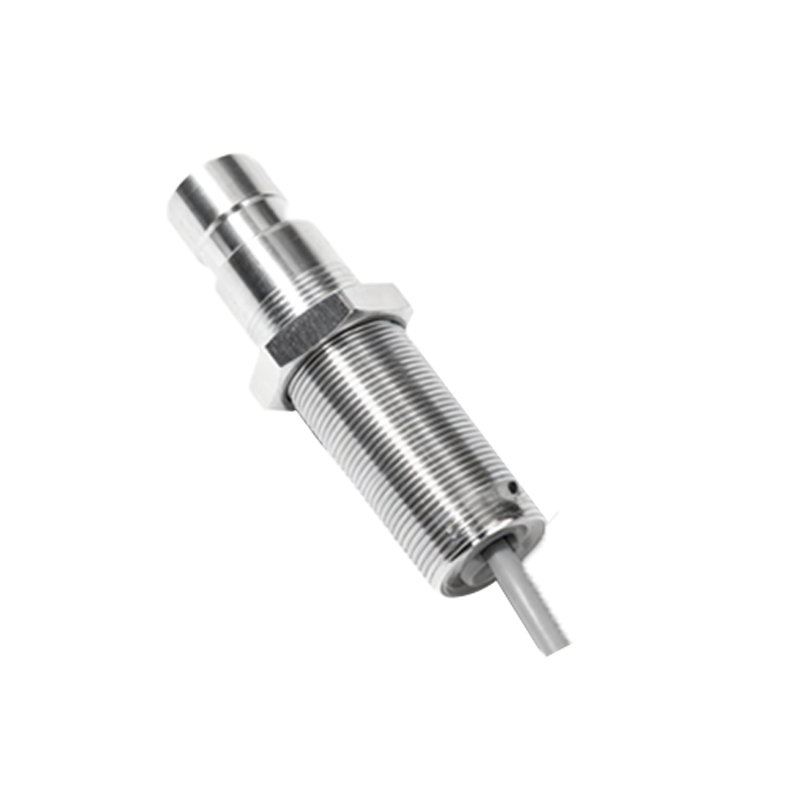
The advent of self-managed plug-in proximity sensors represents a significant leap forward in automation technology. These advanced units incorporate embedded microprocessors and smart algorithms that enable real-time diagnostics, adaptive calibration, and predictive maintenance. For example, a self-managed sensor can automatically adjust its sensing range based on environmental factors like temperature fluctuations or electromagnetic interference, ensuring consistent accuracy without manual intervention. This autonomy reduces downtime and minimizes the need for skilled technicians to perform routine adjustments, thereby lowering operational costs.
Key features of self-managed plug-in proximity sensors include diagnostic LEDs that provide visual feedback on operational status, such as signal strength or fault conditions. Many models also support digital communication protocols like IO-Link, which facilitates seamless data exchange with higher-level control systems. Through IO-Link, engineers can remotely monitor sensor parameters, configure settings, and receive alerts for potential failures, enabling proactive maintenance strategies. This connectivity transforms traditional sensors into intelligent nodes within the Industrial Internet of Things (IIoT) ecosystem, contributing to data-driven decision-making and overall system optimization.
When selecting a plug-in proximity sensor for self-managed applications, several factors must be considered. Sensing distance, response time, and environmental ratings (e.g., IP67 for dust and water resistance) are critical specifications that impact performance in specific scenarios. For instance, in high-speed assembly lines, sensors with millisecond-level response times are essential to maintain throughput, while those deployed in outdoor settings may require robust housings to withstand extreme temperatures or corrosive substances. Additionally, compatibility with existing PLCs (Programmable Logic Controllers) and network infrastructures should be evaluated to ensure smooth integration.
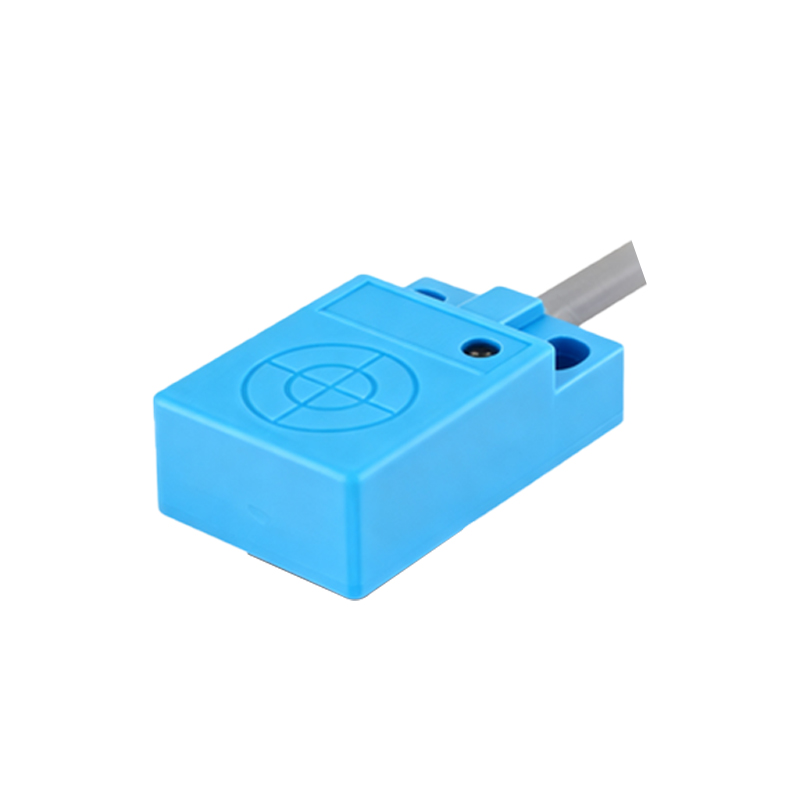
Installation best practices play a crucial role in maximizing the benefits of self-managed sensors. Proper mounting alignment, avoidance of mutual interference between adjacent sensors, and adherence to manufacturer guidelines for voltage supply and load conditions are fundamental steps. Regular testing using simulated targets can verify functionality before full-scale deployment. Moreover, leveraging the self-diagnostic capabilities of these sensors allows for continuous performance monitoring, with historical data logs aiding in trend analysis and lifecycle management.
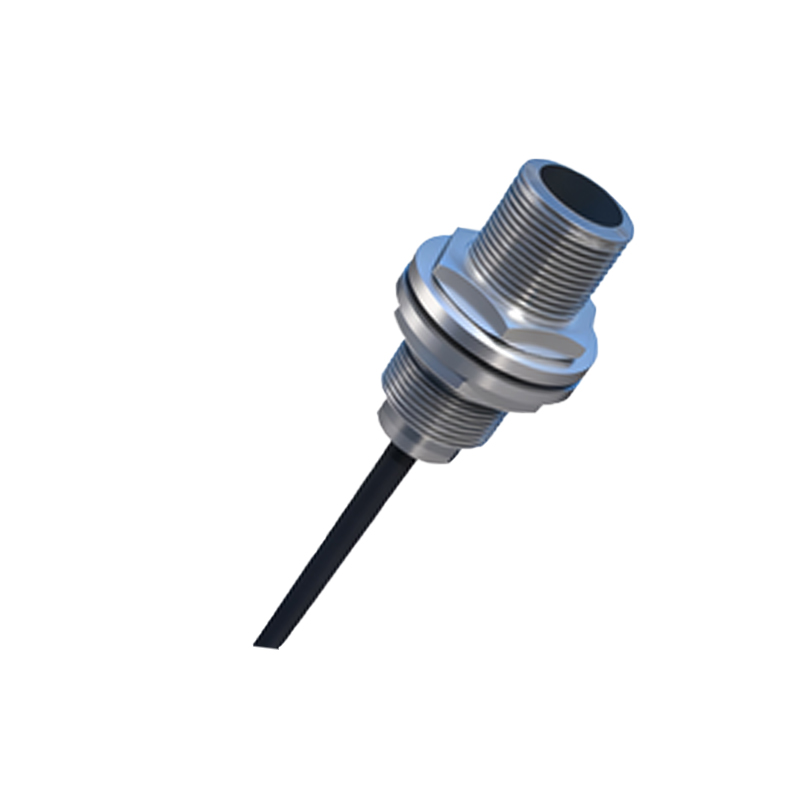
In conclusion, plug-in proximity sensors, particularly self-managed variants, are pivotal in advancing industrial automation toward greater autonomy and efficiency. By harnessing smart features and connectivity options, engineers can build resilient systems that adapt to changing demands while minimizing human intervention. As technology continues to evolve, we can anticipate further innovations in sensor intelligence, such as AI-driven anomaly detection or enhanced energy harvesting capabilities, solidifying their role as cornerstones of modern manufacturing and process control. Embracing these solutions not only boosts productivity but also fosters a safer and more sustainable operational environment.