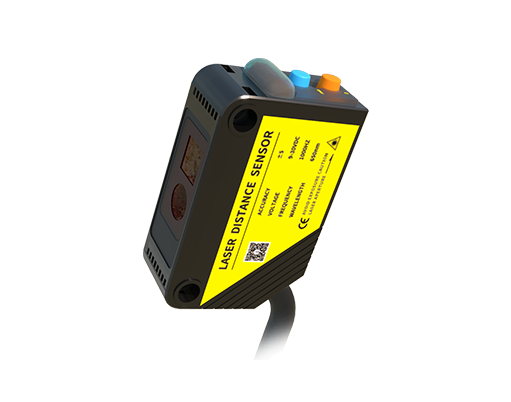
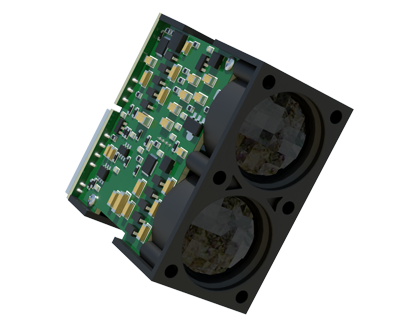
In the rapidly evolving landscape of industrial automation and precision measurement, laser sensors have emerged as a cornerstone technology. Their ability to provide non-contact, high-accuracy, and high-speed measurements makes them indispensable across a multitude of sectors, from manufacturing and robotics to logistics and quality control. For engineers and procurement specialists navigating this complex field, partnering with a knowledgeable and reliable laser sensor representative, or agent, is not merely a purchasing decision but a strategic partnership critical to operational success. This article delves into the role, value, and selection criteria for laser sensor representation.
The primary function of a laser sensor representative extends far beyond simple sales. A true representative acts as a technical consultant and a vital link between the end-user and the sensor manufacturer. They possess deep, application-specific knowledge of various laser sensing technologies—such as time-of-flight (ToF), triangulation, confocal, and interferometric principles. This expertise allows them to analyze a client's unique challenge, whether it's micron-level thickness measurement, precise edge detection on a high-speed production line, or 3D profiling of complex components, and recommend the optimal sensor solution. They translate complex technical specifications into practical benefits, ensuring the selected sensor integrates seamlessly into existing systems and meets the precise performance requirements.
A significant advantage of working with a specialized representative is their access to a curated portfolio of products from leading manufacturers. Instead of being limited to a single brand, a reputable agent offers a comparative perspective. They can objectively evaluate products from different OEMs (Original Equipment Manufacturers) like Keyence, Omron, Sick, or Micro-Epsilon, matching the strengths of each to the application's demands. This vendor-agnostic approach ensures the recommendation is driven by technical merit and cost-effectiveness rather than brand allegiance. Furthermore, representatives often have early access to new technologies and prototypes, providing their clients with a competitive edge.
Post-sales support is where the value of a strong representative truly shines. Laser sensors, while robust, may require calibration, configuration, or troubleshooting in demanding industrial environments. A local representative provides immediate, on-the-ground support, minimizing costly downtime. They offer comprehensive services including installation guidance, software configuration, operator training, and maintenance. Many top-tier representatives maintain calibration labs and repair facilities, ensuring long-term sensor performance and lifecycle management. This ongoing partnership transforms a capital expenditure into a reliable, long-term asset.

Selecting the right laser sensor representative requires careful consideration. Key criteria should include their technical depth, demonstrated by certified engineers and a proven track record in your specific industry (e.g., automotive, semiconductor, packaging). Evaluate their portfolio's breadth and the reputation of the manufacturers they represent. Assess their logistical capabilities, including local inventory for critical components to reduce lead times. Finally, consider their commitment to service—response time for technical queries, availability of training resources, and the structure of their support contracts. Request case studies or client references from similar applications to validate their claims.
In conclusion, the role of a laser sensor representative is integral to the successful deployment and utilization of advanced sensing technology in modern industry. They bridge the gap between complex engineering solutions and real-world operational needs. By leveraging their technical expertise, multi-vendor portfolio, and dedicated local support, engineering teams can de-risk projects, accelerate implementation, and achieve higher levels of precision, efficiency, and reliability. In an era defined by smart manufacturing and Industry 4.0, a strategic partnership with a competent laser sensor agent is not just advisable; it is a fundamental component of a forward-thinking operational strategy.