In industrial automation, proximity sensors are fundamental components that detect the presence or absence of objects without physical contact. Over time, these sensors may require replacement due to wear, technological obsolescence, or evolving application needs. This article explores the key considerations and steps involved in replacing proximity sensors, highlighting advancements in sensing technology that can enhance system performance.
When planning a replacement, the first step is to assess the existing sensor's specifications. Critical parameters include sensing range, output type (e.g., NPN/PNP, analog, IO-Link), housing material, and electrical requirements. Mismatched specifications can lead to system failures or reduced efficiency. For instance, replacing an inductive sensor with a capacitive one might be necessary if the application shifts from detecting metals to non-metallic materials.
Modern proximity sensors offer improved features such as longer sensing distances, higher switching frequencies, and enhanced resistance to environmental factors like temperature fluctuations, moisture, and vibration. Technologies like ultrasonic and laser sensors provide alternatives for challenging conditions where traditional inductive or capacitive sensors may falter. Additionally, smart sensors with IO-Link communication enable real-time diagnostics and parameter adjustments, reducing downtime and maintenance costs.
Installation and calibration are crucial during replacement. Ensure proper alignment, mounting, and wiring according to manufacturer guidelines. Testing the new sensor under actual operating conditions verifies its functionality and integration with the control system. Regular maintenance and monitoring can extend the sensor's lifespan, ensuring reliable operation in automated processes.
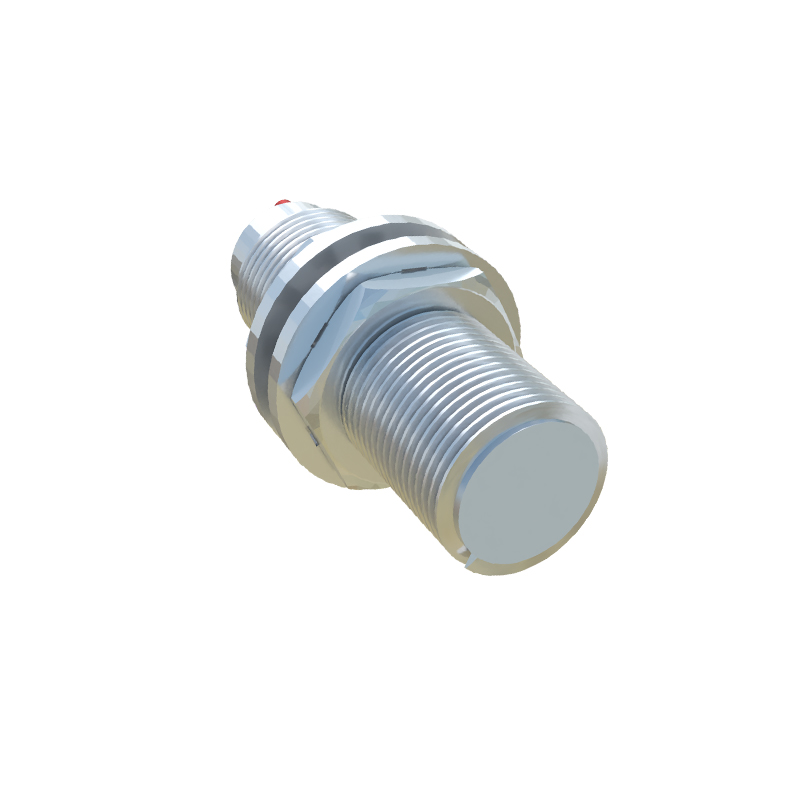
By understanding these aspects, engineers can make informed decisions when replacing proximity sensors, leveraging new technologies to optimize industrial systems.