In the realm of industrial automation, robotics, and smart systems, the ability to detect the presence or absence of an object without physical contact is fundamental. This capability is delivered by specialized proximity sensors, a critical category of devices engineered for precise, reliable, and non-invasive detection in demanding environments. Unlike general-purpose sensors, these units are tailored to specific operational parameters, materials, and environmental challenges, offering optimized performance where standard solutions fall short.
The core principle behind most proximity sensors involves generating an electromagnetic field or a beam of radiation. When a target object enters this field, it causes a detectable change in the sensor's state—such as a shift in oscillation amplitude, capacitance, or magnetic flux—which is then converted into an electrical signal. However, specialization arises in how this principle is applied and refined. The primary types include inductive, capacitive, ultrasonic, and magnetic proximity sensors, each with distinct advantages.
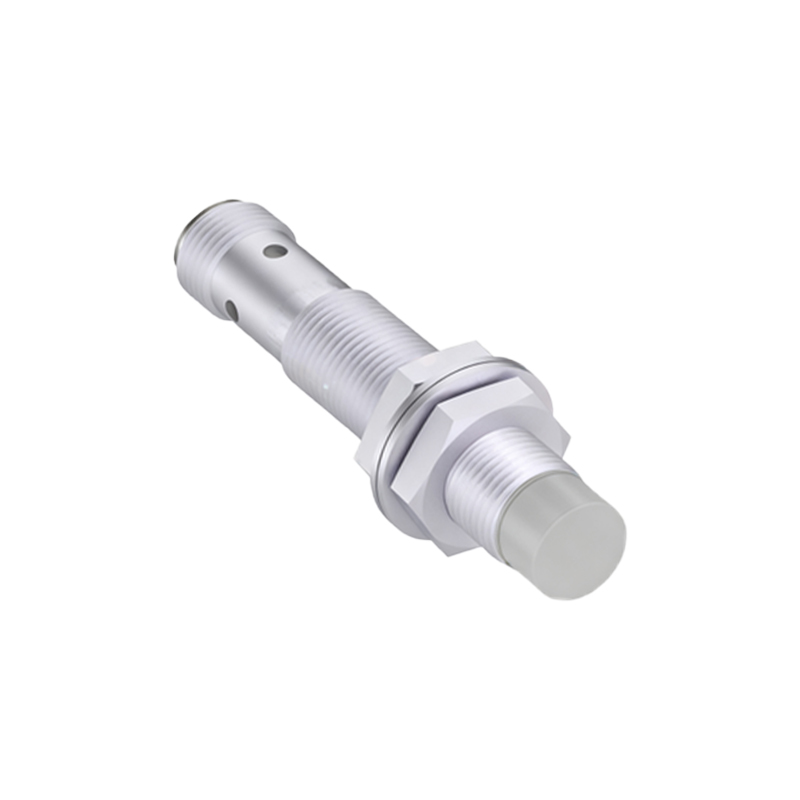
Inductive proximity sensors are the stalwarts for metal detection. They generate an oscillating electromagnetic field and are triggered specifically by ferrous and non-ferrous metals. Their specialization lies in their immunity to non-metallic substances like dust, oil, or water, making them ideal for harsh manufacturing settings—counting metal parts on a conveyor, verifying spindle position in machine tools, or ensuring robotic end-effectors are correctly positioned. Advanced models can even differentiate between various metal types.
Capacitive proximity sensors, on the other hand, can detect virtually any material, including liquids, plastics, wood, and granules. They sense changes in capacitance caused by the dielectric properties of a target. This makes them specialized for applications in packaging, food processing, and chemical plants, where non-metallic material detection is crucial. They can monitor fill levels through container walls or detect the presence of transparent films on production lines, tasks where other sensors would fail.
Ultrasonic proximity sensors utilize sound waves beyond human hearing. They measure the time taken for an emitted sound pulse to reflect off a target and return. This technology specializes in distance measurement and detecting objects with complex surfaces, regardless of color or material transparency. They excel in challenging conditions with high dust or moisture levels, commonly used in vehicle parking assistance, bulk material level sensing in silos, and robotic palletizing.
Magnetic proximity sensors are highly specialized for detecting permanent magnets. They are often paired with a magnet mounted on a moving part, such as a cylinder piston or a door. Their key advantage is the ability to operate through non-magnetic barriers like aluminum, plastic, or stainless steel, allowing for completely sealed and wear-free position feedback in clean or explosive environments.
The drive toward specialization extends beyond basic type selection. Modern specialized proximity sensors incorporate features for specific industry needs. For instance, sensors designed for welding environments are built with robust shielding against spatter and strong electromagnetic interference. Those for the food and beverage industry feature polished stainless-steel housings and certifications for easy cleaning and hygiene. In automotive assembly, sensors with extremely fast response times and high switching frequencies are deployed for high-speed robotic coordination.
Furthermore, the integration of IO-Link and other smart communication protocols represents a new layer of specialization. These "smart sensors" can transmit detailed diagnostic data—such as temperature, signal strength, and operating hours—to a controller. This enables predictive maintenance, remote parameter adjustment, and seamless integration into Industry 4.0 frameworks, moving beyond simple binary detection to become intelligent data points.
Selecting the right specialized proximity sensor requires a detailed analysis of the application: the target material, required sensing distance, environmental factors (temperature, contaminants, pressure), electrical output needs, and physical housing constraints. An incorrectly specified sensor, even if functionally similar, can lead to unreliable operation, frequent failures, and costly downtime.
In conclusion, specialized proximity sensors are not merely components but engineered solutions that bridge the gap between theoretical detection and practical, reliable operation in real-world scenarios. Their continued evolution, offering greater precision, durability, and intelligence, is pivotal in advancing automation, enhancing safety, and improving efficiency across countless sectors, from precision machining and logistics to smart agriculture and beyond.