When integrating automation into industrial processes or designing smart devices, proximity sensors become essential components. A common question that arises during the planning phase is: "How much does a proximity sensor cost?" The answer is not a single figure, as the price range is remarkably broad, typically spanning from under $10 to over $500 per unit. This wide variation is dictated by a complex interplay of technology, performance, and application requirements. Understanding the factors behind this cost spectrum is crucial for making an informed purchasing decision that balances budget with operational needs.
The core technology of the sensor is the primary price determinant. Inductive proximity sensors, which detect metallic objects, are generally the most economical. Simple, barrel-style inductive sensors for standard industrial use can often be found in the $15 to $50 range. Capacitive sensors, capable of detecting both metallic and non-metallic materials like liquids or plastics, usually carry a slightly higher price tag, often ranging from $30 to $100. Photoelectric sensors, which use light beams and offer longer sensing ranges, show even greater price diversity. Basic through-beam or diffuse models may start around $25, but more advanced versions with precise background suppression or fiber optic units can easily cost between $50 and $200. Ultrasonic sensors, used for distance measurement and level detection, typically fall into the $50 to $300 category. The most significant cost jump comes with specialized sensors like high-precision laser distance sensors or ruggedized magnetic-inductive sensors for extreme environments, which can command prices from $200 to well over $500.
Beyond the sensing principle, specific features and performance specifications heavily influence the final price. Sensing range is a key factor; a sensor with a 2mm range will cost less than an identical-technology sensor with a 20mm range. The housing material also matters—standard plastic or nickel-plated brass housings are cost-effective, while sensors with stainless steel housings for washdown or corrosive environments are more expensive. Output type (PNP vs. NPN, analog, IO-Link) and connection style (pre-wired cable vs. quick-disconnect) add to the cost complexity. IO-Link sensors, which offer advanced diagnostics and parameterization, represent a premium category. Furthermore, certifications for safety (e.g., SIL, PL), explosion-proof ratings (ATEX, IECEx), or food-grade compliance (FDA, EHEDG) involve additional engineering and testing, substantially increasing the unit price.
Brand reputation and supply chain positioning play a substantial role. Established global brands like Siemens, Omron, Pepperl+Fuchs, and Balluff are associated with high reliability, extensive technical support, and global availability, which is reflected in their premium pricing. Their sensors are often investments in system uptime and longevity. Conversely, many reputable automation suppliers offer robust, value-oriented lines that provide excellent performance for standard applications at a lower cost. Additionally, generic or unbranded sensors available through online marketplaces may offer the lowest upfront cost, but this can come with risks regarding quality consistency, documentation, and long-term support.
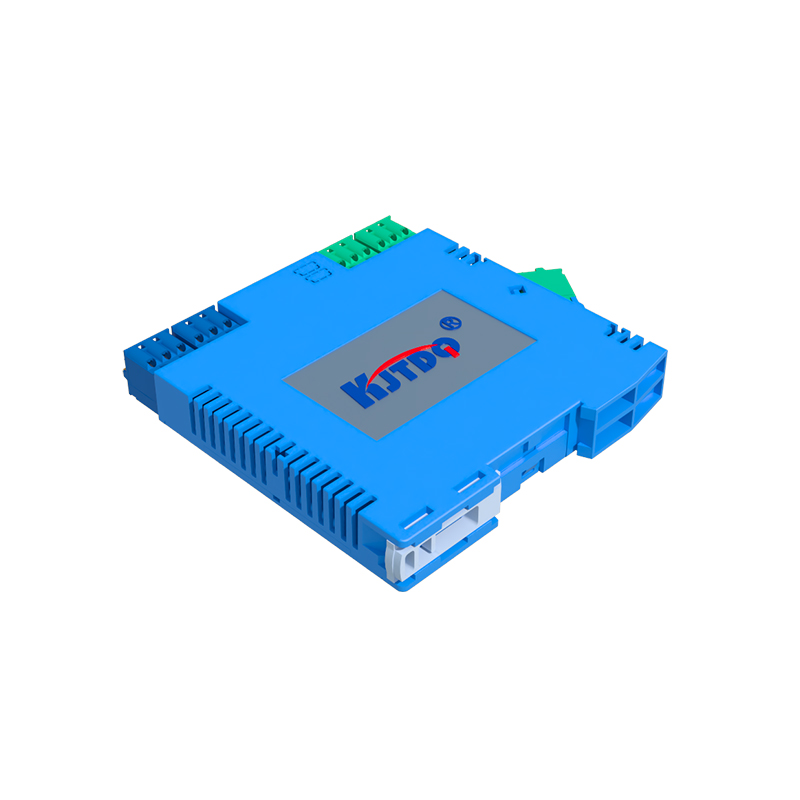
For bulk procurement, volume discounts are standard practice. Purchasing a single sensor might be at list price, but ordering 100 or 1000 units can reduce the per-unit cost significantly. It's also vital to consider the total cost of ownership, not just the purchase price. A cheaper sensor that fails prematurely, causes production downtime, or requires frequent recalibration can ultimately be far more expensive than a higher-priced, more reliable alternative. Factors like mean time between failures (MTBF), warranty terms, and the ease of integration should be part of the evaluation.
In summary, while a basic inductive proximity sensor can be acquired for as little as $10-$20, a fully-featured, long-range, industrially-hardened sensor from a leading brand may cost $300 or more. The most effective approach is to clearly define the application requirements—target material, required range, environmental conditions, and necessary features—and then solicit quotes from multiple suppliers for sensors that meet those specs. This ensures you pay for the performance you need without overspending on unnecessary capabilities, securing the optimal value for your automation project.